Deciding to stop hormonal birth control is a significant step, one that often comes with a mix of anticipation and uncertainty. Your body is about to resume its natural rhythm, and while this is a healthy process, the transition can sometimes feel a bit rocky. You might be wondering how to support your body through this change. Nutrition is one of the most powerful, gentle tools you have. By focusing on specific, whole foods, you can provide your endocrine system with the raw materials it needs to find its equilibrium again.
How does stopping birth control affect your hormones?
When you stop taking hormonal contraceptives, you're removing the external source of synthetic hormones that has been regulating your cycle. Your body's own hormone production—namely estrogen, progesterone, follicle-stimulating hormone (FSH), and luteinizing hormone (LH)—needs to ramp back up. This shift can lead to a temporary imbalance as your pituitary gland and ovaries recalibrate. Some people experience symptoms like irregular periods, acne, mood swings, or changes in appetite as their natural cycle re-establishes itself. This period of adjustment is completely normal, and strategic nutrition can help smooth the path.
Think of food as foundational support for your endocrine system, not a quick fix. Consistency is more valuable than any single superfood.
Five key foods to support your hormonal transition
These foods are chosen for their specific nutrients that play direct roles in hormone synthesis, metabolism, and balance. Incorporating them regularly can make a meaningful difference in how you feel.
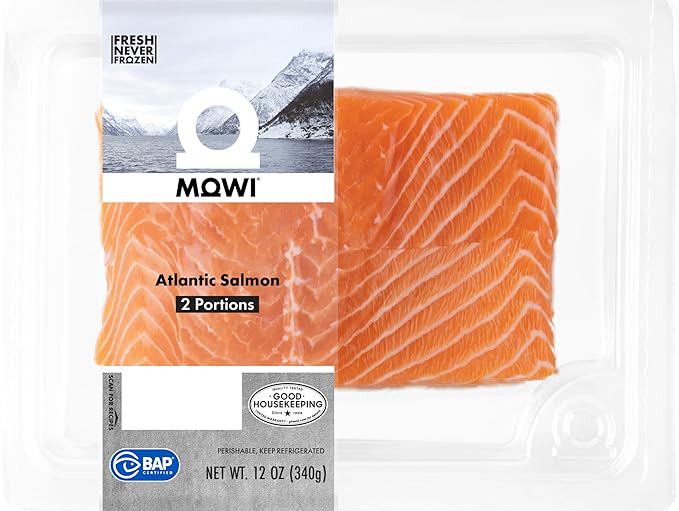
1. Fatty fish like salmon and sardines
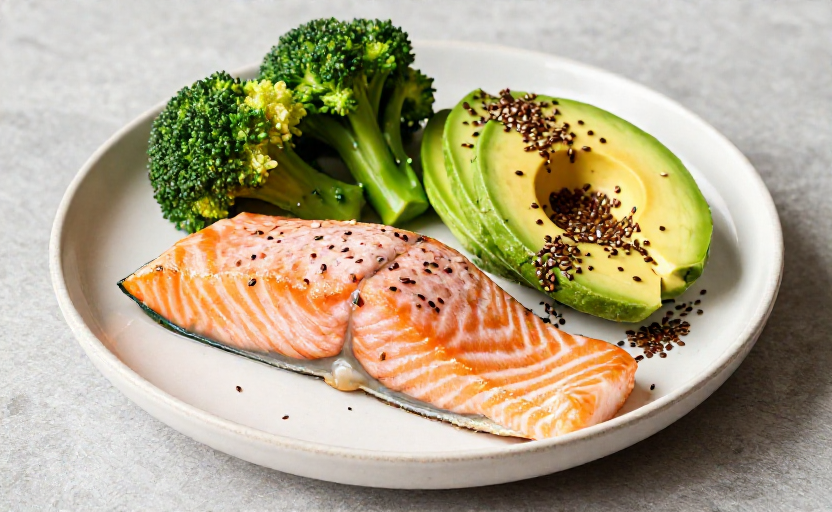
Fatty fish are a premier source of omega-3 fatty acids, specifically EPA and DHA. These fats are crucial for reducing inflammation in the body, which is often elevated during hormonal shifts. Chronic inflammation can disrupt hormone signaling and exacerbate symptoms. Furthermore, omega-3s are building blocks for hormone-like substances called prostaglandins, which help regulate the menstrual cycle. Aim for two servings per week.
2. Cruciferous vegetables: broccoli, cauliflower, kale
This family of vegetables contains a compound called indole-3-carbinol, which the body converts into diindolylmethane (DIM). DIM supports the liver in metabolizing and clearing excess estrogen from the body. After stopping birth control, helping your body efficiently process hormones is key to preventing a backlog that can lead to imbalance. These veggies are also packed with fiber, which further aids in hormone excretion.
3. Flaxseeds
Flaxseeds are a unique two-for-one. They are the richest dietary source of lignans, a type of phytoestrogen. Phytoestrogens are plant compounds that can have a mild balancing effect—they may gently occupy estrogen receptor sites when your own estrogen is low, and help modulate effects when estrogen is high. They also provide a good dose of soluble fiber, which supports healthy gut bacteria and regular elimination, both vital for hormone metabolism. For best absorption, use ground flaxseed.
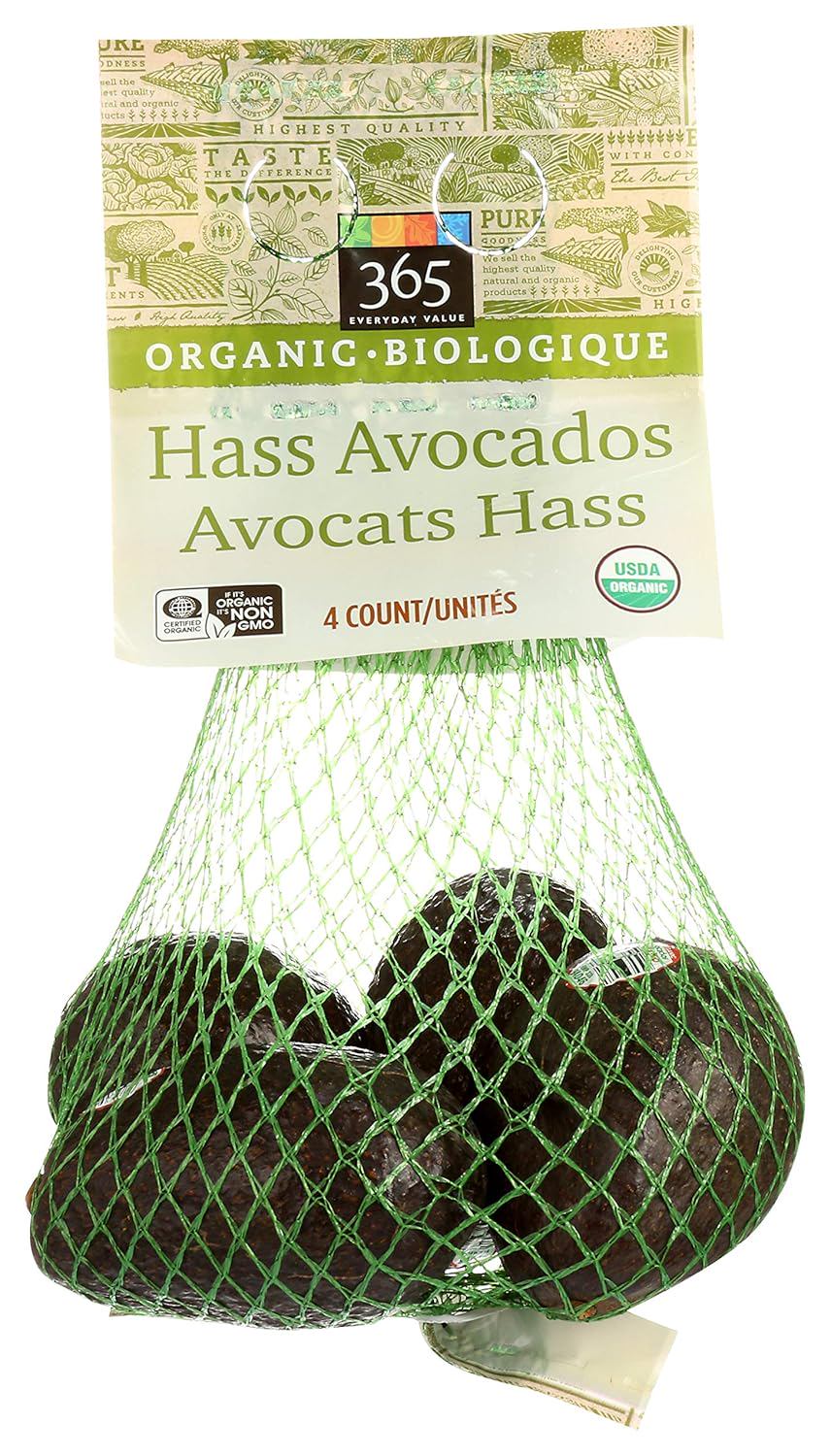
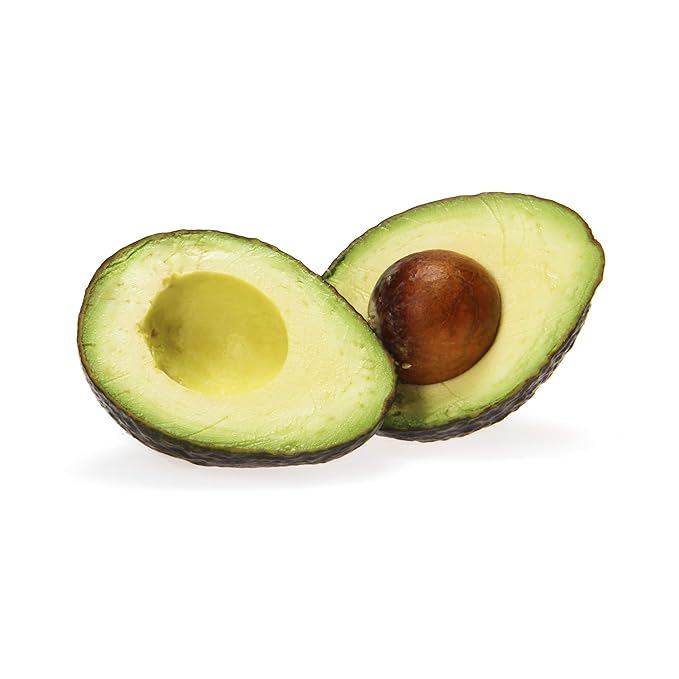
4. Avocados
Hormones are literally made from fat and cholesterol. Avocados provide a wealth of healthy monounsaturated fats that are essential for producing steroid hormones like estrogen and progesterone. They're also rich in magnesium and B vitamins, particularly B6, which is involved in progesterone production and can help regulate the length of the luteal phase of your cycle. The fiber and potassium in avocados support stable blood sugar and reduce stress on the adrenal glands.
5. Pumpkin seeds
These small but mighty seeds are a powerhouse for post-pill nutrition. They are one of the best food sources of zinc, a mineral that is often depleted by hormonal birth control. Zinc is critical for ovulation, progesterone production, and healthy skin. Pumpkin seeds are also high in magnesium, which helps combat stress, supports sleep, and can ease menstrual cramps. A small handful daily makes an excellent snack or salad topping.
Building a hormone-supportive eating pattern
While focusing on these five foods is a great start, how you eat is just as important as what you eat. The goal is to support stable blood sugar, reduce inflammation, and nourish your gut.
- Prioritize protein and fiber at every meal: Combining a quality protein (like eggs, lentils, or chicken) with fiber (from vegetables, whole grains, or legumes) helps prevent blood sugar spikes and crashes that can stress your adrenal glands and disrupt cortisol and insulin levels.
- Stay consistently hydrated: Water is essential for every cellular process, including hormone transport and detoxification. Herbal teas like spearmint (which may help with androgen-related acne) or ginger (for digestion) are great additions.
- Nourish your gut: A significant portion of estrogen is processed and eliminated via the gut. Include fermented foods like yogurt, kefir, sauerkraut, or kimchi to support a healthy microbiome.
What to expect and when to be patient
It's important to have realistic expectations. Your body's timeline for rebalancing is unique. For some, a regular cycle returns within a month or two. For others, it can take three to six months or longer for periods to regulate and symptoms to settle. This is a natural process of readjustment.
Using food as medicine requires patience. You won't see changes overnight, but over weeks and months of consistent nourishment, you will likely notice a difference in your energy, skin, mood, and cycle regularity. Listen to your body—it's your best guide.
If you experience very long cycles (over 90 days), severe pain, or other concerning symptoms, it's always wise to consult a healthcare provider to rule out other underlying conditions like PCOS or thyroid issues. This information is for educational purposes and is not a substitute for personalized medical advice.