

If you're living with a thyroid condition—hypothyroidism, Hashimoto's, or subclinical thyroid dysfunction—you know that getting your lab numbers into a healthy range is often a slow, step-by-step process. You take your medication as prescribed, get your blood drawn every few months, and wait. But your diet plays a quiet, powerful supporting role. What you eat won't replace your treatment, but certain foods can help your body use thyroid hormone more effectively, support thyroid gland function, and help you feel more stable between appointments.
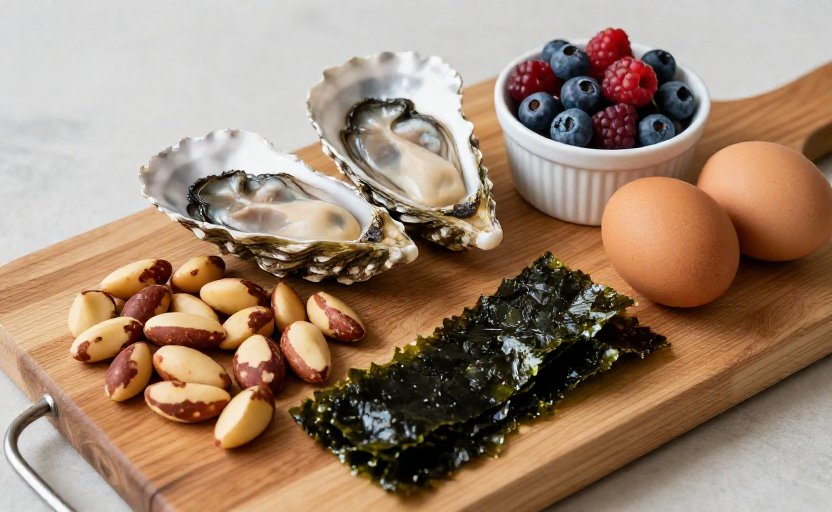
Think of these foods as long-term allies, not quick fixes. The goal is to improve your test results over time by consistently supporting your thyroid's needs—iodine, selenium, zinc, and amino acids—without overdoing any single nutrient. Here are five science-backed foods to include in your regular eating pattern, along with practical tips for making them work for you.
Why Diet Matters for Thyroid Function
The thyroid gland is a master regulator of metabolism, energy, and body temperature. To produce its hormones—T4 and T3—it requires a steady supply of specific micronutrients. Iodine is the backbone of thyroid hormone molecules, while selenium and zinc are critical for converting T4 into its more active form, T3, and for protecting the gland from oxidative damage.
Without enough of these nutrients, your thyroid can struggle to produce hormone at the right level, and your body may have trouble converting and using what is produced. Over time, this can show up in your lab results as rising TSH, low T3, or imbalanced free T4. But the reverse is also true: consistent dietary support can help nudge those numbers in a better direction.
1. Brazil Nuts: The Selenium Powerhouse
Selenium is arguably the most important mineral for thyroid function after iodine. It is essential for the synthesis of thyroid hormone and for the enzymes that convert T4 to T3. Even more crucially, selenium helps reduce thyroid antibodies in autoimmune thyroid conditions like Hashimoto's.
Just one Brazil nut per day can provide your full selenium requirement—no need to overdo it.
How to eat them: Keep a small jar of shelled Brazil nuts in your pantry or bag. Eat one to two nuts daily—no more, because selenium toxicity can occur with consistent high intake. Combine them with other nuts or seeds in a trail mix, or chop one over oatmeal or yogurt. This is about daily consistency, not a one-time serving.
2. Oysters: Zinc for Hormone Production
Zinc is another key player. It supports thyroid hormone synthesis and helps regulate TSH. Low zinc levels are common in people with hypothyroidism and have been linked to suboptimal thyroid function. Oysters contain more zinc per serving than almost any other food.
How to eat them: Fresh or canned oysters work well. If canned, look for varieties packed in water (not oil). Enjoy a small serving—about 3 ounces—once or twice a week. You can eat them on their own, add them to stews, or toss them into a seafood pasta. If oysters aren't your preference, other good zinc sources include beef, pumpkin seeds, and chickpeas, though oysters remain the most concentrated source.
3. Seaweed: Natural Iodine Support
Iodine is the foundational block of thyroid hormone. Without enough iodine, your thyroid cannot produce adequate T4 and T3, and your TSH will rise. Seaweed—particularly kelp, nori, wakame, and dulse—is a naturally rich source of iodine.
However, iodine is a double-edged sword: too little impairs thyroid function, but too much can suppress it or worsen autoimmune thyroiditis. This makes seaweed a tool to use carefully.
How to eat it: Use dried nori sheets to make simple seaweed snacks (just roast them and cut into strips) or crumble them over rice bowls and salads. Add a strip of kombu to beans or soup while cooking to infuse iodine. Avoid large daily doses of kelp powder or high-dose supplements—stick to using seaweed as a seasoning or occasional side dish. One weekly serving is generally safe for most people.
4. Pastured Eggs: Complete Protein and Trace Minerals
Eggs provide a complete protein profile and contain several trace minerals that support thyroid health: selenium, iodine (mainly in the yolk), and zinc. The amino acid tyrosine, found in egg protein, is also a precursor to thyroid hormone. For people with hypothyroidism who often struggle with low energy and slow metabolism, getting enough quality protein at each meal can help stabilize blood sugar and support hormone balance.
How to eat them: Pastured or omega-3-enriched eggs are ideal because they contain higher levels of beneficial fats and trace nutrients. Include the yolk—that is where most of the thyroid-supporting minerals are. Enjoy them scrambled, poached, or hard-boiled. One or two eggs per day is a reasonable amount for most people.
5. Berries: Antioxidants for the Thyroid Gland
The thyroid gland is highly sensitive to oxidative stress, especially in autoimmune conditions. Inflammation and free radicals can damage thyroid tissue and raise antibody levels. Berries—blueberries, strawberries, raspberries, blackberries—are packed with antioxidants like vitamin C and anthocyanins that help reduce this oxidative load.
While berries don't directly supply the micronutrients needed for hormone production, they support your thyroid by protecting its cells from damage, which can help stabilize antibody counts and improve overall thyroid function over time.
How to eat them: Keep frozen berries on hand for smoothies, oatmeal, or yogurt. A handful of fresh berries makes a simple snack. Aim for a half-cup serving most days. You can also combine them with the Brazil nuts mentioned above for a balanced thyroid-supporting snack.
Bringing It All Together: A Week of Thyroid-Friendly Eating
You don't need to overhaul your entire diet overnight. Start by incorporating one or two of these foods into your weekly rotation. Here is a sample framework:
- Monday: Breakfast – scrambled eggs with a side of blueberries.
- Wednesday: Lunch – mixed greens salad with canned oysters and crumbled nori strips.
- Friday: Snack – one Brazil nut and a small bowl of raspberries.
- Weekend: Dinner – grilled fish with a side of steamed wakame.
Stay consistent, and over time your body will have the steady supply of nutrients it needs. Always take your thyroid medication as directed, and talk to your doctor before making any major dietary changes, especially if you have an autoimmune condition.
This article is for informational purposes only and does not constitute medical advice. Consult a healthcare professional before making changes to your diet or treatment plan.


