Packing or preparing a midday meal that genuinely supports your cardiovascular system doesn’t require a culinary degree or a radical diet overhaul. It’s about making consistent, thoughtful choices with the ingredients you already know. We asked dietitians for the foundational foods they consistently recommend to build a lunch that’s as satisfying as it is supportive of heart health.
These aren’t exotic superfoods, but rather accessible, versatile staples. The goal is to create a plate that combines fiber, healthy fats, lean protein, and a spectrum of colors—a simple formula that manages cholesterol, supports healthy blood pressure, and keeps energy steady for the rest of your day.
What makes a lunch truly heart-healthy?
Before we get to the specific foods, it helps to understand the principles guiding these choices. A heart-smart lunch focuses on a few key nutritional pillars: reducing saturated and trans fats, increasing dietary fiber (especially soluble fiber), incorporating unsaturated fats, and loading up on antioxidants and phytonutrients from plants. This combination helps manage LDL ("bad") cholesterol, supports healthy blood vessels, and reduces inflammation.
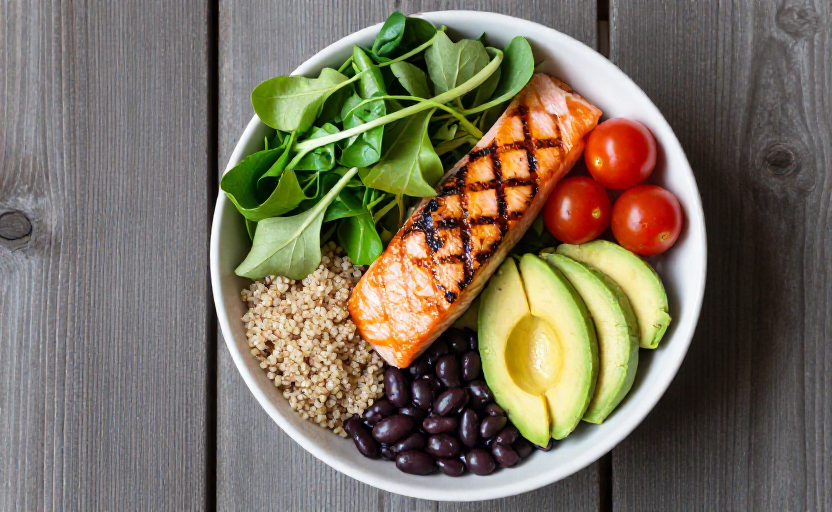
Think of your lunch plate as a canvas: aim for half of it filled with colorful vegetables, a quarter with lean protein, and a quarter with whole grains or starchy vegetables.
1. Leafy Greens and Colorful Vegetables
This is the non-negotiable base. Spinach, kale, arugula, romaine, and mixed greens are low in calories but exceptionally rich in potassium, magnesium, folate, and nitrates. Potassium helps balance sodium’s effects on blood pressure, while the fiber and antioxidants support overall vascular health.
Don’t stop at greens. Adding a rainbow of other vegetables—bell peppers, tomatoes, shredded carrots, beets, or roasted broccoli—floods your body with vitamins C and A, along with compounds like lycopene and beta-carotene. These act as antioxidants, protecting cells from damage that can contribute to heart disease.
How to use them: They form the perfect bed for any grain bowl, salad, or wrap. Try massaging kale with a little olive oil and lemon juice to soften it, or roast a big batch of mixed veggies on Sunday to add to lunches all week.
2. Fatty Fish (like Salmon, Sardines, or Mackerel)
When it comes to protein for your heart, fatty fish is in a league of its own. It’s the premier source of the long-chain omega-3 fatty acids EPA and DHA. These fats are famous for their role in lowering triglycerides, reducing inflammation, and making blood less likely to form clots. The American Heart Association recommends eating two servings of fatty fish per week.
Canned or pouched versions of salmon, sardines, and light tuna are incredibly convenient, affordable, and perfect for lunch. Sardines, eaten with their bones, also provide a significant calcium boost.
How to use them: Flake canned salmon or sardines over a large salad, mix them with a little plain Greek yogurt and herbs for a sandwich spread, or add them to a whole-grain pasta salad with plenty of veggies.
Opt for wild-caught salmon when possible, and choose light tuna over albacore to minimize mercury exposure if eating frequently.
3. Beans, Lentils, and Chickpeas
These humble pantry staples are a powerhouse for heart health. They are packed with soluble fiber, which binds to cholesterol in the digestive system and helps remove it from the body. They’re also an excellent source of plant-based protein and magnesium, a mineral that helps regulate blood pressure.
Because they’re so filling and digest slowly, they help prevent the mid-afternoon energy crash that can lead to less healthy snacking. Their versatility is unmatched—they can be the star of a dish or a hearty supplement.
How to use them: Toss chickpeas into any salad, blend white beans into a creamy soup, use lentils as the base for a hearty salad with chopped vegetables and a lemon vinaigrette, or make a simple bean-and-veggie burrito in a whole-grain wrap.
4. Whole Grains (like Quinoa, Barley, or Brown Rice)
Swapping refined grains for whole grains is one of the most impactful lunchtime shifts you can make. Whole grains retain their bran and germ, which are rich in fiber, B vitamins, magnesium, and iron. The fiber, again, is key—it helps you feel full and supports healthy cholesterol levels.
Quinoa is a particular standout because it’s a complete protein, containing all nine essential amino acids. Barley is rich in beta-glucan, a type of soluble fiber with strong cholesterol-lowering properties.
How to use them: Cook a big batch on the weekend to use as a base for grain bowls. Use whole-grain bread or wraps for sandwiches. Add cooled, cooked quinoa or farro to salads for extra texture and staying power.
5. Avocado, Nuts, and Seeds
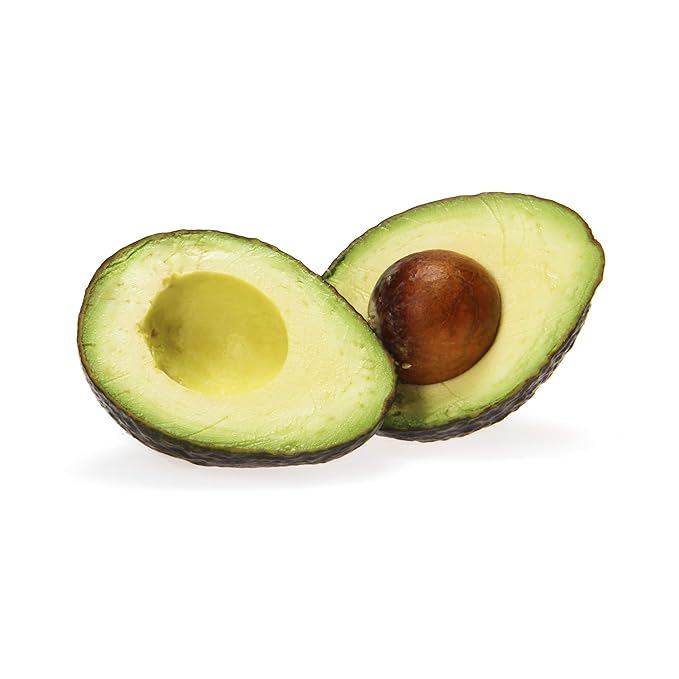
Healthy fats are essential, and these foods provide them alongside a host of other nutrients. Avocados are rich in monounsaturated fats and potassium. A handful of walnuts, almonds, or pumpkin seeds adds protein, fiber, and vitamin E. Flaxseeds and chia seeds are excellent sources of plant-based omega-3s (ALA) and more soluble fiber.
Including these fats helps your body absorb fat-soluble vitamins from the other vegetables in your meal and provides sustained energy. The key is portion awareness—a quarter of an avocado, a small handful of nuts, or a tablespoon of seeds is plenty.
How to use them: Mash avocado as a sandwich spread instead of mayonnaise. Sprinkle a mix of sunflower and pumpkin seeds over a salad or soup. Add a tablespoon of ground flaxseed to a smoothie or yogurt parfait. Keep a small container of mixed nuts at your desk for a crunch topping.
Putting It All Together: A Week of Heart-Healthy Lunches
The magic happens in combination. Here’s how these five food groups can come together in simple, realistic lunches.
- Monday: A large salad with spinach, chickpeas, cherry tomatoes, cucumber, grilled salmon, and a lemon-tahini dressing, served with a side of whole-grain crackers.
- Tuesday: A whole-wheat wrap with mashed avocado, sliced turkey, roasted red peppers, and leafy greens, with a side of carrot sticks.
- Wednesday: Lentil soup (made with carrots, celery, and barley) and a small side salad with a vinaigrette.
- Thursday: Quinoa bowl with black beans, roasted sweet potato and broccoli, salsa, and a sprinkle of pumpkin seeds.
- Friday: Whole-grain pasta salad with tuna, olives, artichoke hearts, cherry tomatoes, and a simple olive oil and herb dressing.
The common thread is balance. By consistently including a few of these dietitian-recommended foods, you build a pattern of eating that supports your heart with every bite, without feeling deprived or overwhelmed. Start with one swap this week—maybe add beans to your salad or choose whole-grain bread—and build from there.