The postpartum period brings a unique set of demands: your body is healing from childbirth, hormones are recalibrating, and you may be navigating sleep deprivation while caring for a newborn. Nutrition plays a foundational role in supporting recovery, replenishing nutrient stores, and maintaining energy levels. Dietitians emphasize that what you eat in the weeks and months after giving birth can directly influence healing, milk supply (if breastfeeding), and overall well-being.
Rather than focusing on restrictive diets or rapid weight loss, the goal is nourishment and restoration. Below are five foods that dietitians consistently recommend for postpartum recovery, along with practical tips for integrating them into your daily routine.
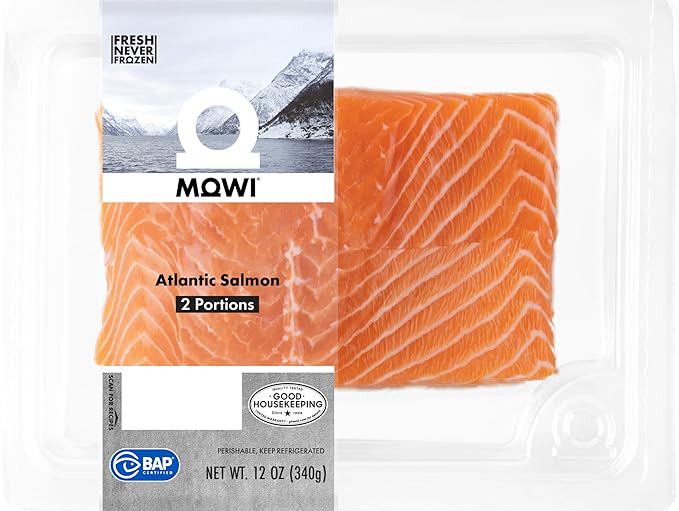
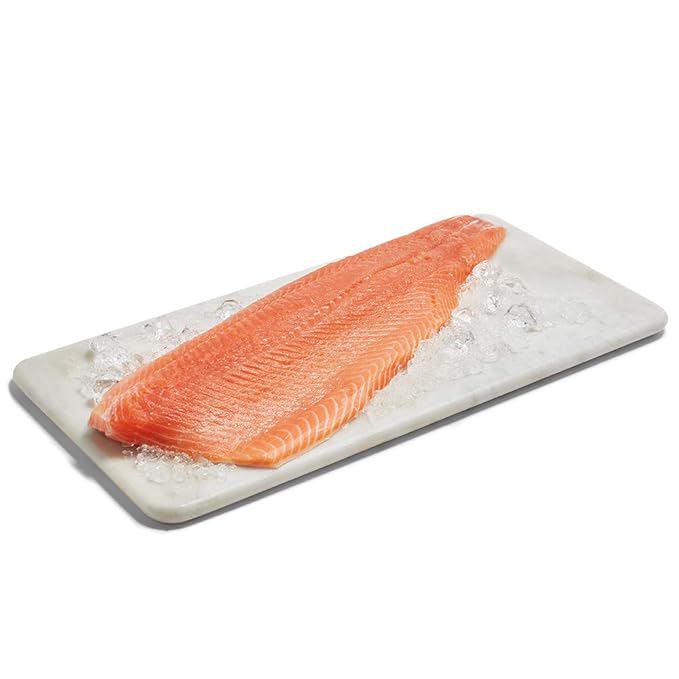
1. Salmon: A Source of DHA and Protein
Salmon is a standout choice for new mothers because it provides high-quality protein and is one of the best dietary sources of DHA (docosahexaenoic acid), an omega-3 fatty acid critical for brain health. DHA is especially important if you are breastfeeding, as it supports your baby's developing nervous system. Additionally, omega-3s have been linked to lower rates of postpartum depression, making salmon a valuable component of a mood-supportive diet.
Aim for two servings of low-mercury fish like salmon per week. Canned or pouch salmon is a convenient option for quick lunches or salads when cooking feels overwhelming.
2. Leafy Greens: Iron and Folate Replenishment
After childbirth, iron levels can drop significantly due to blood loss. Leafy greens such as spinach, kale, Swiss chard, and collard greens are rich in non-heme iron and folate, a B vitamin that supports red blood cell production and helps combat fatigue. Pairing these greens with a source of vitamin C—like lemon juice or bell peppers—enhances iron absorption.
Try adding a handful of spinach to smoothies, omelets, or soups. These vegetables are also high in calcium and fiber, aiding bone health and digestion during a time when constipation is common.
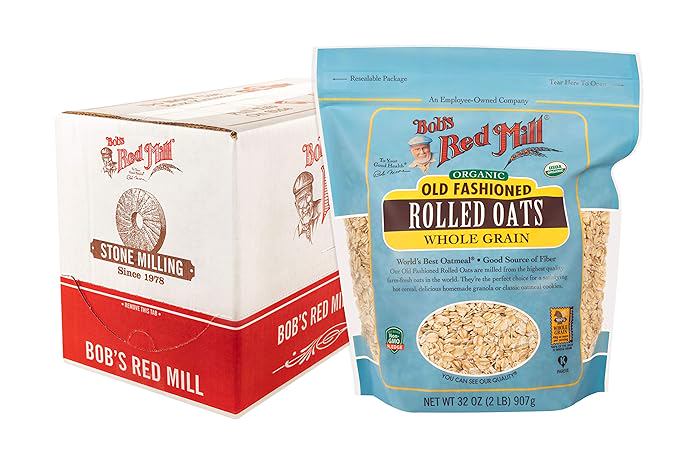
3. Oats: Sustained Energy and Milk Production
Oats are a versatile whole grain that provides complex carbohydrates for steady energy—a welcome resource when sleep is fragmented. They are also a good source of fiber, which supports digestive regularity, and contain iron and B vitamins that help combat postpartum fatigue.
Many cultures consider oats a galactagogue, meaning they may help support breast milk production. While scientific evidence is mixed, oatmeal is a nutrient-dense, easy-to-prepare food that fits well into a postpartum eating plan. Opt for steel-cut or rolled oats, and avoid instant packets with added sugar.
4. Lentils and Beans: Plant-Based Protein and Fiber
Legumes like lentils, chickpeas, and black beans offer a triple benefit: they are rich in protein, fiber, and iron. Protein is essential for tissue repair, especially after a vaginal birth or C-section, while fiber helps prevent constipation and supports gut health. Lentils cook quickly and can be added to soups, stews, or grain bowls without much effort.
Canned beans (rinsed to reduce sodium) are a time-saving alternative. For extra convenience, prepare a large batch of lentil soup once a week and portion it out for easy meals.
5. Greek Yogurt: Calcium and Probiotics
Calcium needs remain high during postpartum recovery, particularly if you are breastfeeding, to support bone density and muscle function. Greek yogurt provides about twice the protein of regular yogurt, along with calcium and probiotics that promote digestive health. The live cultures may also help restore gut balance, especially if you received antibiotics during delivery.
Look for plain, unsweetened yogurt to avoid added sugars. Add berries or a drizzle of honey for natural sweetness, or use it as a base for smoothies and dressings.
Putting It All Together
These five foods are not a prescription but rather a framework: salmon, leafy greens, oats, lentils and beans, and Greek yogurt each address key nutritional priorities during the postpartum window. The most effective recovery diet is one that is sustainable, adaptable, and forgiving. Small, frequent meals and snacks—rather than three large meals—often work best, especially when caring for a newborn.
Hydration is equally important. Water, herbal teas, and broths help maintain energy and support milk production. If you have specific dietary restrictions, allergies, or medical conditions, consult a registered dietitian or healthcare provider to tailor these suggestions to your needs.