Your thyroid is a small, butterfly-shaped gland with an enormous job. It regulates your metabolism, energy levels, body temperature, and even your heart rate. When it's not functioning optimally, you can feel it in every part of your life—from unexplained weight changes to persistent fatigue. While medical treatment is essential for diagnosed conditions, the food you eat plays a fundamental supporting role. Nourishing your thyroid with the right nutrients can help it do its job more effectively.
Think of your diet as the foundational environment for your thyroid. Certain foods provide the raw materials it needs to produce hormones, while others can interfere with that delicate process. The goal isn't to find a magic bullet, but to build consistent, supportive eating habits that create the conditions for your thyroid to thrive.
What nutrients does your thyroid need most?
Your thyroid gland requires specific micronutrients to synthesize its hormones, thyroxine (T4) and triiodothyronine (T3). A deficiency in any of these can slow down production, even if your gland itself is healthy.
Iodine is the most critical element. It's the essential building block of thyroid hormones; without adequate iodine, your thyroid simply cannot make them. In many parts of the world, iodized salt has largely prevented severe deficiency, but it's still a nutrient to be mindful of.
Selenium is a powerful antioxidant that plays a key role in converting T4 into the more active T3 hormone. It also helps protect the thyroid gland from oxidative damage.
Zinc is another co-factor needed for hormone production. Like selenium, it aids in the conversion of T4 to T3. Low zinc levels can correlate with low thyroid hormone levels.
Iron is necessary because the enzyme that helps produce thyroid hormones (thyroid peroxidase) is iron-dependent. Anemia can impair thyroid function.
Five foods to support your thyroid
Focusing on whole, nutrient-dense foods is the most effective strategy. Here are some of the top dietary supporters for thyroid health.
1. Seaweed and seafood
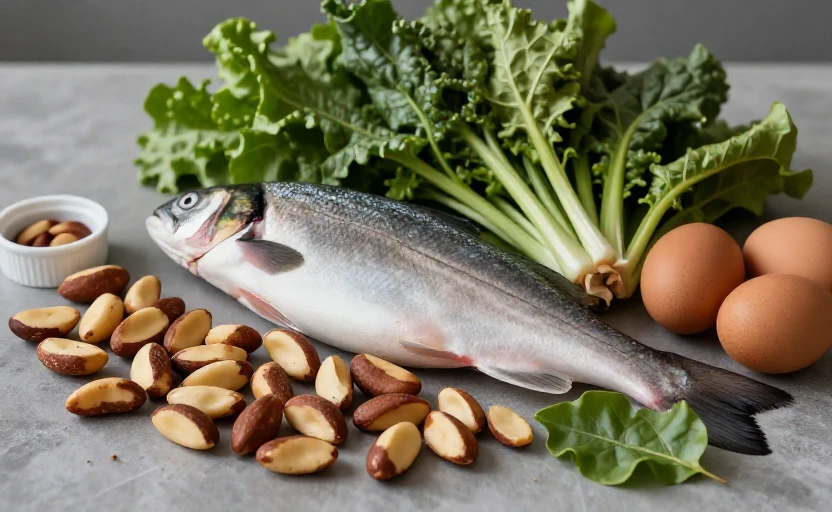
For iodine, look to the ocean. Sea vegetables like nori, wakame, and kelp are among the most concentrated natural sources. A small amount goes a very long way. Fish like cod, tuna, and shrimp also provide iodine along with beneficial selenium and omega-3 fatty acids.
If you use sea vegetables, do so sparingly. A small sheet of nori in a wrap or a tablespoon of wakame in a soup is plenty. Excessive iodine can be as problematic as too little.
2. Brazil nuts
When it comes to selenium, Brazil nuts are in a class of their own. Just one or two nuts can provide your entire daily requirement. They are a convenient, powerful way to ensure you're getting this crucial mineral. Keep a small bag in your pantry and have a couple as a snack a few times a week.
3. Eggs
Eggs are a thyroid-support powerhouse. The yolk contains iodine and selenium, while the whole egg provides a complete protein and a good dose of zinc. They offer a balanced package of the nutrients your thyroid needs in a single, versatile food.
4. Legumes and lentils
Beans, lentils, and chickpeas are excellent plant-based sources of zinc and iron. They also provide steady, slow-burning energy through complex carbohydrates and fiber, which can be helpful for managing the fatigue sometimes associated with thyroid imbalances.
5. Pumpkin seeds
These small seeds are packed with zinc and iron. They make an easy topping for salads, yogurt, or oatmeal, adding a satisfying crunch along with their mineral content. Sunflower seeds are another good option for similar benefits.
Three foods to be mindful of
Some foods contain compounds called goitrogens that can interfere with thyroid hormone production by blocking iodine uptake. For most people with healthy thyroid function, these foods are not a concern when cooked and consumed in normal dietary amounts. However, if you have an existing iodine deficiency or a diagnosed thyroid condition like hypothyroidism, you may want to be more conscious of your intake.
1. Cruciferous vegetables (in very large, raw quantities)
This category includes broccoli, cauliflower, kale, cabbage, and Brussels sprouts. They are incredibly healthy, packed with vitamins, fiber, and antioxidants. The goitrogenic effect is primarily a concern only if you were to consume extremely large amounts of them raw and consistently.
The key takeaway: Don't avoid these vegetables. Simply cook them. Steaming, roasting, or sautéing significantly reduces the goitrogenic compounds. Enjoy them as part of a varied diet.
2. Soy-based foods
Soy products like tofu, tempeh, and edamame contain isoflavones, which may affect the thyroid's ability to absorb iodine. The research is mixed, but a cautious approach is wise if you have hypothyroidism.
If you enjoy soy, moderation and timing are helpful. Consume it in reasonable amounts and avoid eating large quantities at the same time you take your thyroid medication (levothyroxine), as soy can also interfere with its absorption.
3. Highly processed foods and added sugars
This is less about a specific thyroid-interfering compound and more about the overall inflammatory environment. Ultra-processed snacks, sugary drinks, and refined carbohydrates can promote inflammation and disrupt metabolic balance, placing additional stress on your system. Since the thyroid is your metabolic regulator, a diet high in these foods makes its job harder.
Putting it all together
You don't need a perfect or restrictive diet. Aim for a balanced plate built on a foundation of whole foods: lean proteins, colorful vegetables (cooked and raw), whole grains, and healthy fats. Ensure you get adequate iodine (using iodized salt is a simple safeguard) and include selenium-rich foods like Brazil nuts or seafood regularly.
If you have been diagnosed with a thyroid condition, always follow your healthcare provider's guidance on medication and diet. Discuss any major dietary changes with them, especially regarding iodine supplementation or severe restrictions. Food is a powerful partner in your thyroid health, working alongside professional medical care.