
Deciding to stop birth control to start a family is a significant step. While the focus often turns to what you should add to your diet, what you choose to limit can be just as powerful for preparing your body for pregnancy. The goal isn't about restriction or fear, but about creating a supportive internal environment for hormonal balance and nutrient absorption as your body transitions.
Think of it as gentle preparation. Certain foods and drinks can subtly influence inflammation, blood sugar stability, and liver function—all of which play a role in how smoothly your hormones rebalance after years of synthetic regulation. By being mindful of these few categories, you can support your body's natural rhythm as you move toward preconception.
Why does diet matter when coming off birth control?
Hormonal birth control, whether the pill, patch, or ring, manages your reproductive cycle externally. When you stop, your body must remember how to regulate its own production of estrogen, progesterone, and other key hormones. This transition period can sometimes come with temporary symptoms like acne, mood swings, or irregular cycles as your endocrine system recalibrates.
Your diet during this time acts as foundational support. Nutrient-dense foods provide the raw materials for hormone production and help your liver efficiently process and clear excess hormones. Conversely, some foods can create extra work for your system, potentially exacerbating inflammation or blood sugar spikes that may make the transition feel more turbulent. It’s less about “good” or “bad” foods and more about choosing what serves your body best during this specific, important window.
Foods and drinks to be mindful of
As you shift your focus to preconception health, consider moderating your intake of these five categories. The emphasis is on awareness, not elimination, to help your body find its natural balance.
1. Ultra-processed foods and refined sugars
Pastries, sugary cereals, packaged snacks, and sodas are often high in refined carbohydrates and added sugars. These can cause rapid spikes and crashes in blood sugar. Stable blood sugar is closely linked to stable hormone levels, particularly insulin, which can influence other hormones like estrogen and testosterone.
A rollercoaster blood sugar ride can add stress to a system that's already working to recalibrate.
Frequent spikes may also contribute to systemic inflammation, which can interfere with ovulation and overall reproductive health. Opting for whole-food carbohydrates with fiber—like oats, sweet potatoes, or fruit—helps provide steady energy without the dramatic peaks and valleys.
2. Excessive caffeine
That morning coffee ritual is a tough one to scrutinize. Moderate caffeine intake (generally considered under 200-300 mg per day, or about 2 cups of coffee) is likely fine for many. However, as you prepare for pregnancy, it’s a good moment to assess your total intake.
High caffeine consumption can potentially affect hormone balance and stress levels. It may also impact the absorption of certain key nutrients like iron and calcium, which are crucial for preconception health. If you're a multiple-cup-a-day person, consider gradually scaling back or switching one cup to a supportive alternative like a chicory root or roasted dandelion tea, which some find gentler on the system.
3. Alcohol
Alcohol is processed by the liver, the same organ responsible for metabolizing and clearing hormones from your body. When you stop birth control, your liver is tasked with processing the withdrawal of synthetic hormones and helping to regulate your natural ones. Regular alcohol consumption adds to its workload.
For preconception health, many choose to significantly reduce or eliminate alcohol. This gives your liver optimal capacity to manage hormonal clearance and supports overall cellular health. It’s one of the most direct ways to reduce the metabolic burden on a key detoxification organ during this sensitive time.
4. High-mercury fish
Fish like swordfish, king mackerel, shark, and tilefish are known to contain higher levels of mercury, a heavy metal that can accumulate in the body over time. Mercury can be disruptive to the endocrine system and is particularly important to avoid when building nutrient stores for pregnancy.
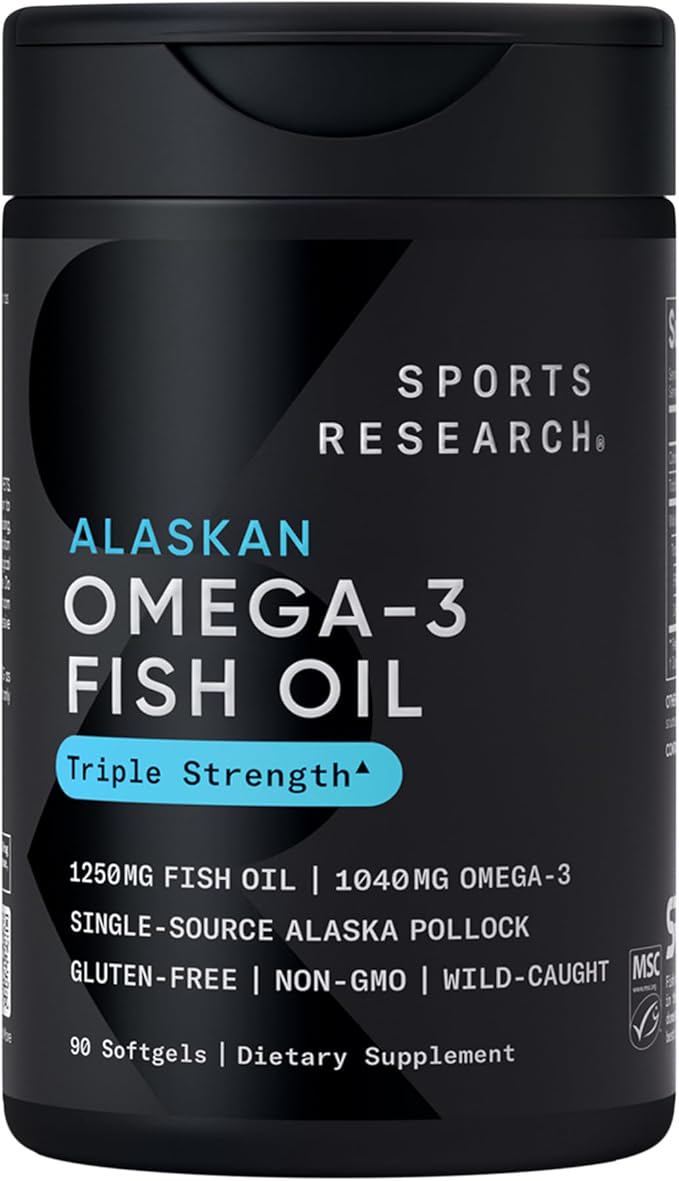
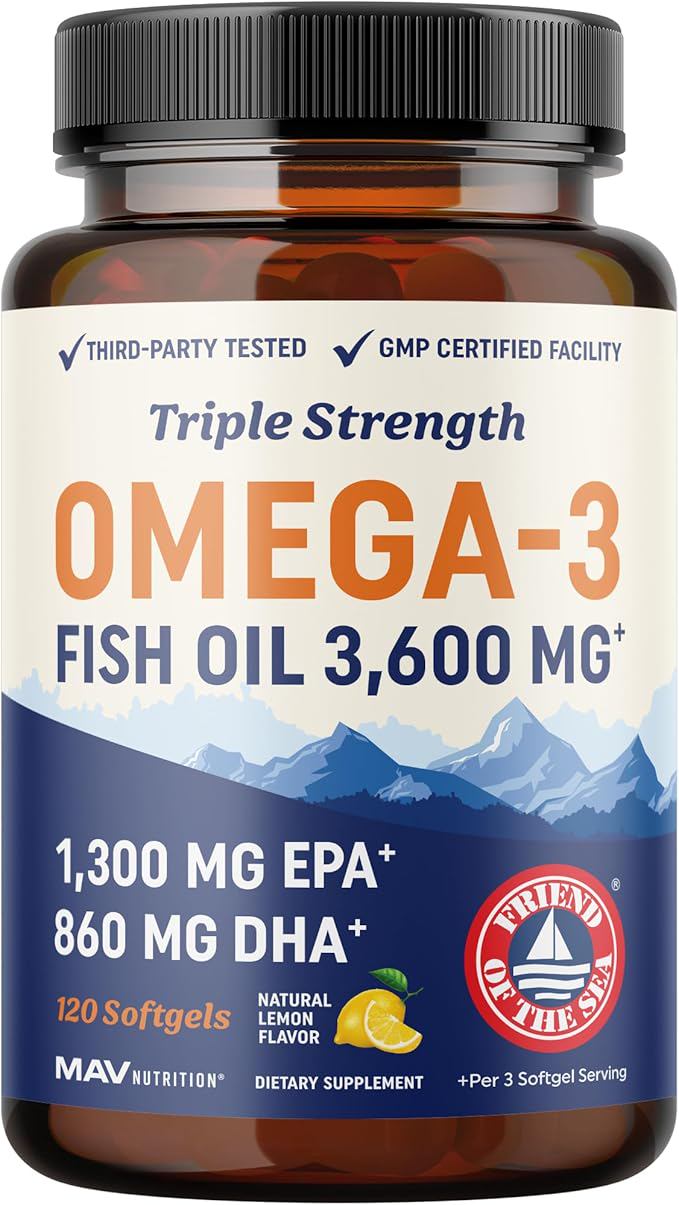
This doesn’t mean avoiding fish altogether—far from it. Fatty fish like wild-caught salmon, sardines, and anchovies are excellent sources of anti-inflammatory omega-3 fatty acids, which are fantastic for hormonal health. The key is choosing low-mercury options consistently as you prepare for conception.
5. Industrial seed oils high in omega-6
Oils like soybean, corn, sunflower, and cottonseed oil are prevalent in fried foods, many packaged snacks, and restaurant fare. They are very high in omega-6 fatty acids. While we need some omega-6s, the modern diet is often heavily skewed toward them and away from anti-inflammatory omega-3s.
An excessive imbalance can promote inflammation in the body, which may create a less-than-ideal environment for hormonal regulation and implantation. For cooking at home, consider switching to oils with a better fatty acid profile, like olive oil or avocado oil, and read labels to minimize heavily processed oils in packaged goods.
What to focus on instead
Shifting your focus to what you can add in is a more positive and effective strategy. Prioritize a rainbow of vegetables, quality proteins, healthy fats from avocados, nuts, and olive oil, and complex carbohydrates. These foods provide the vitamins, minerals, antioxidants, and fiber your body needs to build hormones, reduce inflammation, and support overall vitality.
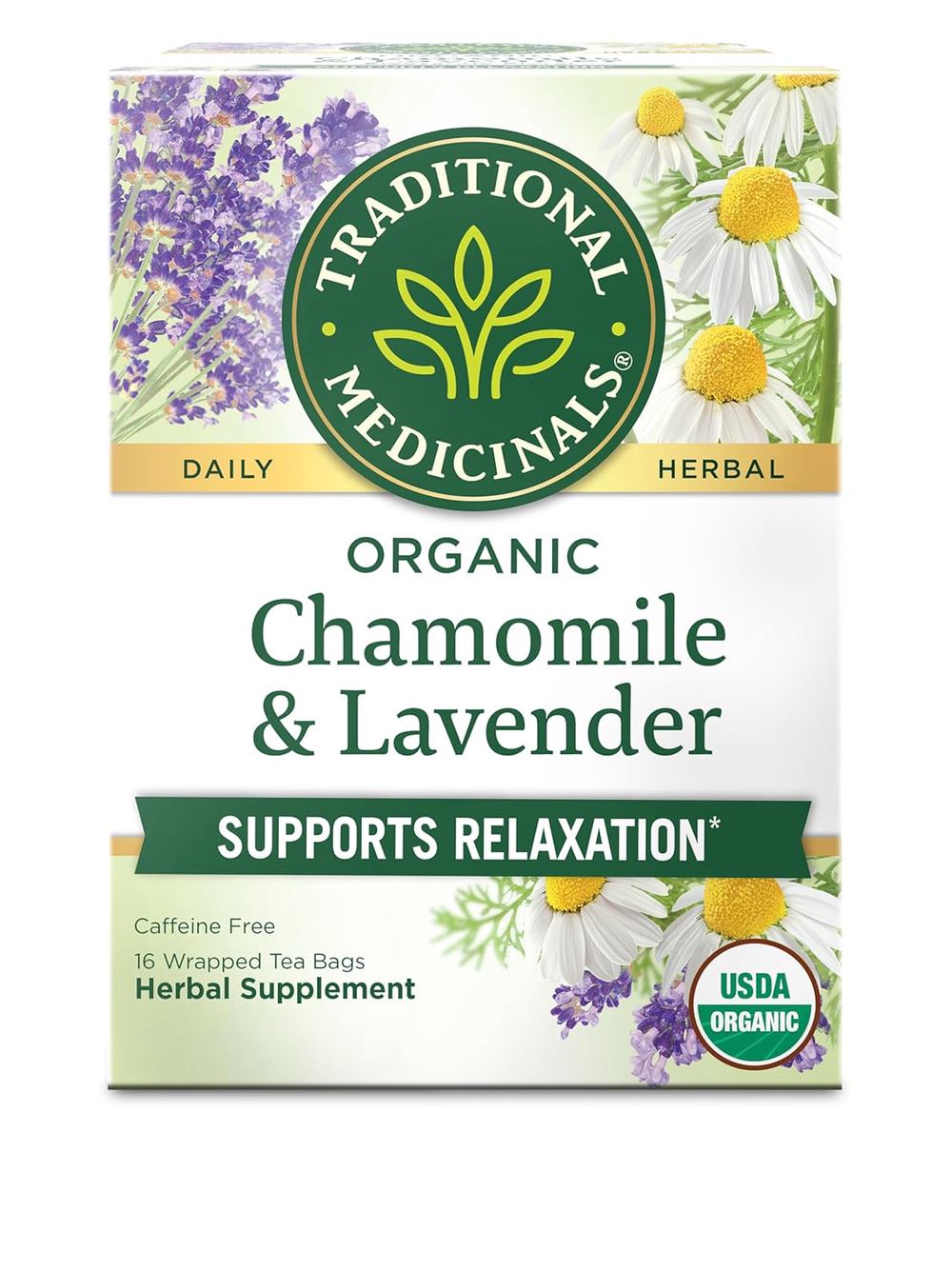
Staying well-hydrated with water and herbal teas supports every metabolic process, including hormone transport and detoxification. Gentle movement, stress-management practices, and quality sleep are the other essential pillars of supporting your body through this transition.
Remember, this is a journey of nourishment, not punishment. Listening to your body and making gradual, sustainable changes is far more powerful than striving for a perfect diet. If you have specific health conditions or concerns, a conversation with a healthcare provider or a registered dietitian can help you create a personalized plan that feels right for you.