

If you're navigating life with PCOS and ovarian cysts, you know food can feel like a minefield. One day you're fine, the next a certain meal seems to trigger discomfort or amplify symptoms. While no single food causes cysts, emerging research and clinical experience suggest that certain dietary patterns can influence the underlying hormonal and inflammatory environment of PCOS. The goal isn't a life of restriction, but one of strategic choice—shifting the balance toward foods that support your body's equilibrium and away from those that may quietly work against it.
Dietitians specializing in hormonal health emphasize that this isn't about quick fixes or universal bans. It's about understanding how specific foods interact with the core drivers of PCOS: insulin resistance, inflammation, and hormonal imbalance. By making mindful adjustments, you can create a foundation for better symptom management and overall well-being.
Why diet matters for PCOS and ovarian cysts
Polycystic Ovary Syndrome is fundamentally a condition of metabolic and endocrine dysregulation. The cysts themselves are follicles that have failed to mature and release an egg, often due to this disrupted hormonal signaling. What you eat directly impacts two key players: insulin and inflammation.
High insulin levels can stimulate the ovaries to produce more androgens (like testosterone), which further disrupts the menstrual cycle and can contribute to cyst formation. Meanwhile, a state of chronic, low-grade inflammation is common in PCOS and can exacerbate pain and sensitivity. The foods we'll discuss tend to either spike insulin, fuel inflammation, or both, creating a less-than-ideal internal landscape for managing cysts.
The focus is on creating an anti-inflammatory, insulin-sensitive environment where your hormonal system has the best chance to find its rhythm.
Foods to consider limiting
Think of this list not as a strict prohibition, but as a guide for awareness. Notice how your body feels when you consume these foods regularly versus when you enjoy them occasionally within a balanced, whole-foods framework.
1. Highly refined carbohydrates and sugars
This category includes white bread, pastries, sugary cereals, candy, and regular sodas. These foods are digested rapidly, causing a sharp spike in blood sugar and a corresponding surge in insulin. For someone with PCOS who often has underlying insulin resistance, this is like pouring gasoline on a smoldering fire. The consistent demand for high insulin can worsen androgen production and inflammation.
Instead of feeling deprived, consider satisfying your carbohydrate needs with complex, fiber-rich sources. Swap white rice for quinoa or brown rice, choose whole-grain bread, and reach for whole fruit instead of juice. The fiber slows digestion, leading to a gentler rise in blood sugar and less demand on your insulin response.
2. Fried foods and industrial seed oils
Foods deep-fried in oils high in omega-6 fatty acids—like many vegetable, soybean, and corn oils—can promote inflammation. While our bodies need some omega-6s, the modern diet is often heavily skewed toward them and away from anti-inflammatory omega-3s. This imbalance can contribute to the inflammatory backdrop of PCOS. Furthermore, the high-temperature processing of these oils can create harmful compounds.
This doesn't mean all fat is off-limits. Focus on incorporating fats that have an anti-inflammatory effect, such as those from olives, avocados, nuts, seeds, and fatty fish. When cooking, opt for methods like baking, steaming, or sautéing with stable oils like olive oil or avocado oil at medium heat.
3. Processed red meats
Hot dogs, sausages, bacon, and deli meats are the main concern here. They often contain advanced glycation end products (AGEs) from processing and high-temperature cooking, as well as preservatives like nitrates. These compounds can increase oxidative stress and inflammation in the body. Some studies have also linked high consumption of processed meats to increased systemic inflammation.
If you eat meat, prioritize lean, unprocessed sources. Consider incorporating more plant-based proteins like lentils, chickpeas, tofu, and tempeh, which provide fiber and nutrients beneficial for PCOS. When you do have red meat, choose lean cuts and use gentler cooking methods like stewing or baking.
4. High-sugar dairy products
The relationship between dairy and PCOS is personal and nuanced. For some, dairy—even in its plain forms—can be inflammatory. For many, the bigger issue is dairy that comes loaded with added sugars: flavored yogurts, sweetened milks, and ice cream. This combination delivers both a potential inflammatory agent (for some) and a significant sugar hit that disrupts insulin.
If you tolerate dairy well, choose plain, full-fat, or low-fat versions without added sugar. Greek yogurt with berries is a far better choice than a fruit-on-the-bottom yogurt. For those who find dairy problematic, explore unsweetened almond, oat, or coconut milk alternatives, ensuring they're fortified with calcium and vitamin D.
5. Sugary beverages
This deserves its own category because liquid sugar is particularly problematic. Sodas, sweetened coffees and teas, energy drinks, and even large amounts of fruit juice deliver a massive dose of fructose and glucose without any fiber to slow absorption. This forces your pancreas to work overtime producing insulin, directly exacerbating insulin resistance. The inflammatory response to this metabolic stress is significant.
Hydration is crucial. Make water your primary beverage. Infuse it with citrus, cucumber, or mint for flavor. Herbal teas are another excellent, soothing option. If you enjoy coffee or tea, try to drink it without added sugar or sweeteners.
Building your PCOS-friendly plate
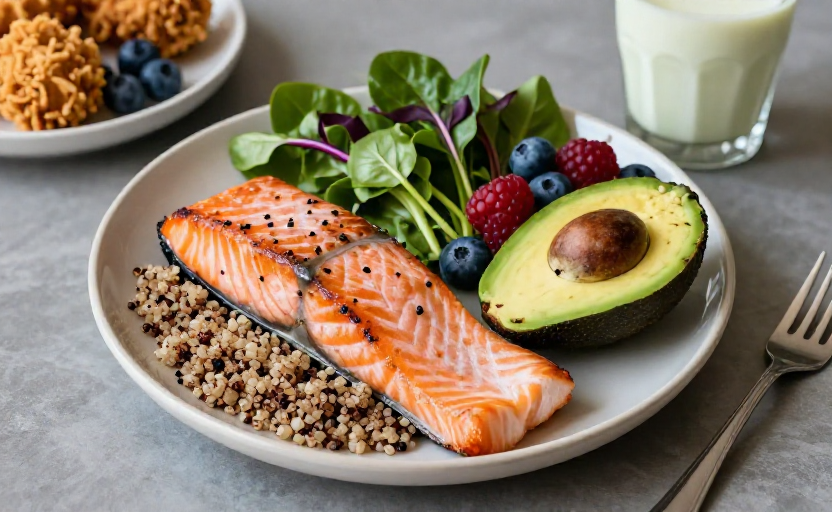
Avoiding certain foods is only one side of the coin. The other, more empowering side is building meals that actively support you. Aim for a balanced plate at each meal: a generous portion of non-starchy vegetables, a quality source of protein (plant or animal), a serving of healthy fat, and a moderate portion of high-fiber, complex carbohydrates.
This combination promotes stable blood sugar, curbs cravings, provides essential nutrients for hormone production, and fights inflammation. Spices like turmeric, cinnamon, and ginger are wonderful anti-inflammatory additions to your cooking.
Remember, consistency over perfection is key. An occasional treat within an overall nourishing pattern is far more sustainable—and less stressful—than a rigid, all-or-nothing approach. Stress management itself is a critical component of PCOS care. Listen to your body, note how different foods make you feel, and partner with a registered dietitian or healthcare provider to create a plan that's uniquely right for you.








