

Recovering from thyroid surgery is a delicate process. Your throat is sore, your body is healing, and the last thing you need is extra irritation or swelling from something you ate. While your doctor will give you specific post-op instructions, knowing which foods commonly cause problems can help you navigate those first few weeks with less discomfort. The goal is to protect the surgical site, reduce inflammation, and support your body as it regulates its new hormone production.
Here are five categories of food and drink that are best to set aside while you heal, and straightforward reasons why they can interfere with your recovery.
Hard, Crunchy, and Sharp-Edged Foods
Imagine swallowing a piece of toast or a sharp chip right after a neck incision. The mechanical action of chewing and swallowing can pull on the muscles and tissues near your thyroidectomy site. Hard foods like raw vegetables, nuts, seeds, crusty bread, and crunchy granola can also scratch or irritate the sensitive lining of your throat, which may already be sore from the breathing tube used during anesthesia.
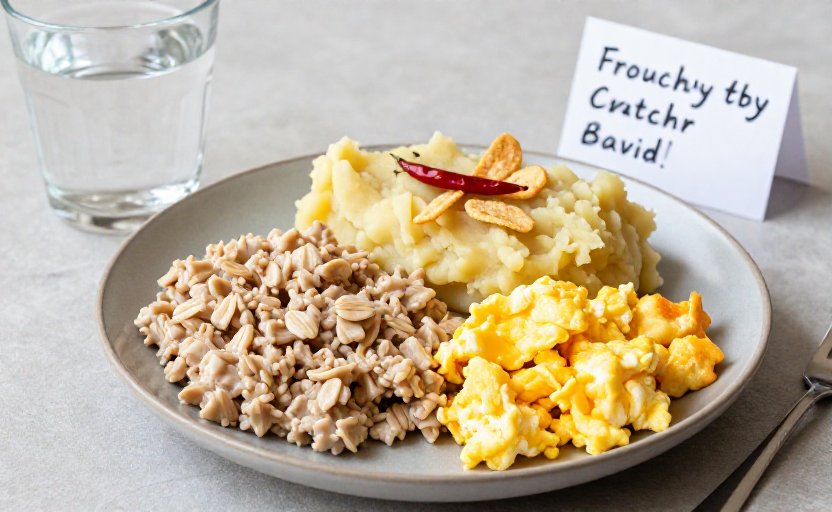
Stick to soft, easy-to-swallow options: well-cooked oatmeal, mashed potatoes, yogurt, smoothies, scrambled eggs, and tender fish are gentle on your throat and won't require aggressive chewing.
Spicy Foods and Acidic Ingredients
Spicy dishes, hot sauce, and foods high in acid—such as citrus fruits, tomatoes, vinegar, and pickled items—can cause a burning sensation in your throat or trigger acid reflux. After thyroid surgery, the position of the incision and any lingering inflammation can make your throat more sensitive. Acid reflux, in particular, is a concern because stomach acid washing back up into the esophagus can irritate the surgical area and slow healing.
Avoid these for at least the first week or two. If you crave flavor, use mild herbs like basil, oregano, or gentle stock-based broths. If you do eat something acidic, drink a glass of plain water afterward to help flush the residue.
Quick tip: If you feel a burning sensation in your throat after eating, stop and switch to a neutral food like plain rice or mashed banana. Your throat will thank you.
Carbonated and Caffeinated Beverages
Sipping a fizzy drink seems harmless, but soda, sparkling water, and beer can introduce gas into your stomach, leading to bloating and distension. This increased abdominal pressure can push against the diaphragm and neck, causing discomfort or even pulling on the fresh incision as you try to burp or pass gas.
Coffee, black tea, and energy drinks are also problematic. Caffeine is a mild diuretic, which can complicate hydration—something you need for healing. More importantly, caffeine and carbonation can both trigger acid reflux. Stick to still water, herbal teas (like chamomile or rooibos), and hydrating flat liquids for the first few weeks.
Dairy Products (in Some Cases)
Dairy is not a universal problem, but many people find that milk, thick cheese, ice cream, and heavy cream create a coating of mucus in the mouth and throat. This thickening sensation can make swallowing feel sticky or uncomfortable after a throat surgery. It may also cause coughing or throat clearing, both of which put stress on the surgical site.
If you tolerate dairy well, you do not need to avoid it entirely. But if you notice a phlegmy feeling or extra throat irritation after eating yogurt or drinking milk, switch to plant-based alternatives like oat milk, almond milk, or coconut yogurt for a week and see if your symptoms improve.
Alcohol (Even Small Amounts)
Alcohol is a general no-go during surgical recovery for several reasons. It can dehydrate you, interfere with pain medications, suppress the immune system, and increase the risk of swelling or bleeding. Even a small glass of wine can dilate blood vessels, which might aggravate inflammation near the incision. Additionally, alcohol's sedative effect can mask pain or make you less aware of your body's healing needs.
Your surgeon will give you a clear timeline for when alcohol is safe to reintroduce, but it's wise to wait until your pain is minimal, you are off strong medications, and your incision has fully closed—typically at least two to four weeks after surgery.
Healing from thyroid surgery is a gradual process, and what you eat plays a direct role in how comfortable and smooth that recovery feels. Focus on soft, non-irritating, hydrating foods for the first weeks. If you are unsure whether a particular food is safe, ask your surgeon or a registered dietitian. Listening to your body and keeping things simple will help you return to normal eating with less pain.


