For many women with Polycystic Ovary Syndrome (PCOS), an irregular menstrual cycle is one of the most frustrating symptoms. It often feels like your body isn't following its own script, which can be unsettling when you're trying to plan or simply track your health. While there's no single food that acts as a magic switch, research and clinical experience consistently point to diet as a powerful lever for supporting hormonal balance and, in turn, promoting a more regular cycle.
The key isn't restriction—it's strategic addition. The following five food categories work by addressing the root drivers of cycle irregularity in PCOS: insulin resistance, chronic inflammation, and hormonal signaling. Think of these as foundational tools in your wellness toolkit, not a quick fix.
1. Fatty Fish: The Omega-3 Powerhouse
Fatty fish like salmon, mackerel, sardines, and lake trout are among the richest natural sources of long-chain omega-3 fatty acids (EPA and DHA). For someone with PCOS, these fats are particularly valuable. Chronic low-grade inflammation is a hallmark of the condition, and it can disrupt the delicate feedback loops between the brain, pituitary gland, and ovaries that control ovulation.
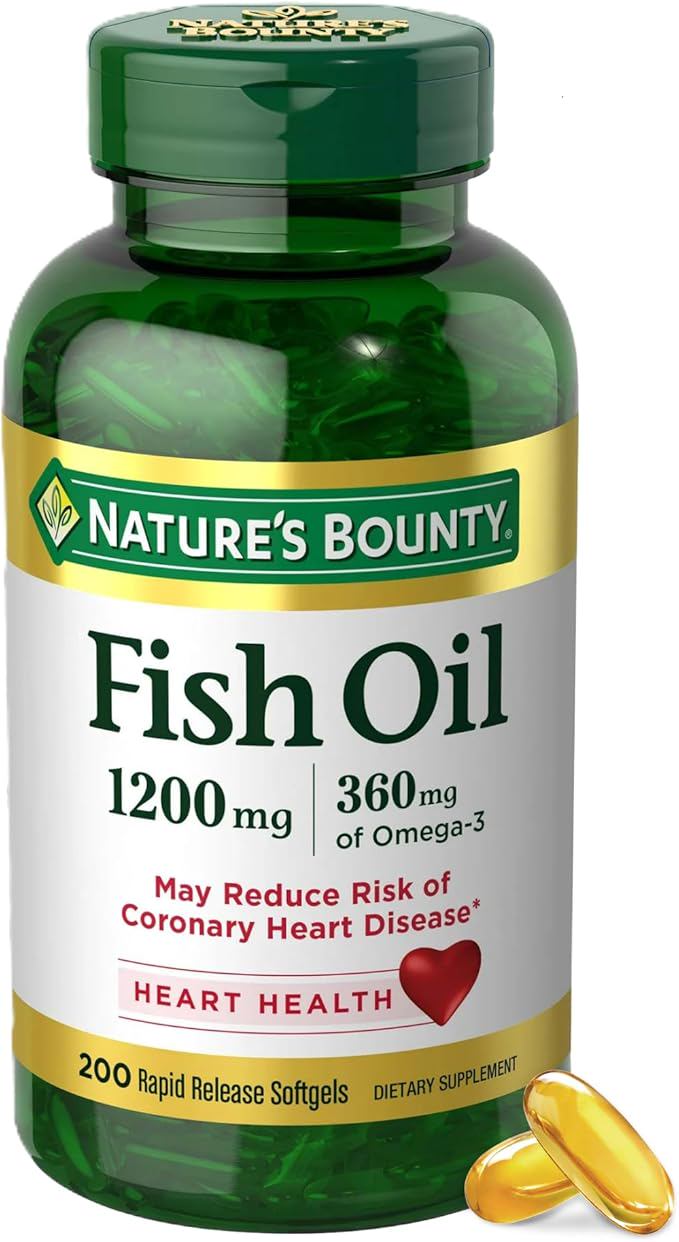
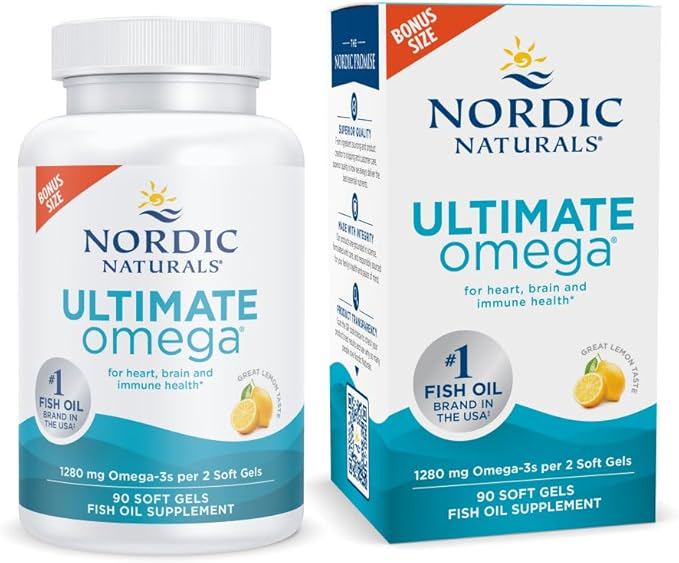
Omega-3s act as potent anti-inflammatory agents, helping to reduce that systemic inflammation. A 2018 randomized controlled trial found that women with PCOS who took omega-3 supplements (the same fats found in fish) showed significant improvements in menstrual regularity and reduced levels of the androgenic hormone free testosterone. Aim for two servings of fatty fish per week. If you're not a fish eater, a high-quality fish oil or algae-based DHA supplement may be a reasonable conversation starter with your healthcare provider.
2. Leafy Greens and Cruciferous Vegetables
When we talk about cleaning up hormonal signaling, vegetables—especially dark leafy greens and cruciferous types like broccoli, cauliflower, kale, and Brussels sprouts—are a mainstay. They are packed with fiber, which helps the body excrete excess estrogen through the stool. In PCOS, estrogen dominance can worsen cycle irregularity and heavy bleeding.
More importantly, cruciferous vegetables contain a compound called indole-3-carbinol (I3C) that converts into diindolylmethane (DIM) in the gut. DIM supports the liver's ability to metabolize estrogen into its safer forms, promoting a healthier estrogen-to-progesterone ratio. A balanced ratio is one of the signals the body needs to trigger regular ovulation. Aim to include at least one serving of a cruciferous vegetable daily, plus a big handful of greens at another meal.
3. Beans, Lentils, and Legumes
Insulin resistance is the most common metabolic driver of irregular periods in PCOS. When your cells don't respond well to insulin, your pancreas overproduces the hormone, which tells the ovaries to churn out more testosterone—further disrupting the menstrual cycle. Low-glycemic, high-fiber carbohydrates are the solution, and legumes are a star example.
Beans, lentils, chickpeas, and split peas are rich in both soluble fiber and plant-based protein. The soluble fiber forms a gel-like substance in the gut that slows the absorption of sugar into the bloodstream. This prevents the sharp spikes in blood glucose that trigger high insulin surges. Over time, this can improve insulin sensitivity. Additionally, legumes contain resistant starch that feeds beneficial gut bacteria, which in turn produce short-chain fatty acids that improve metabolic health. Replacing refined grains (white rice, pasta, bread) with lentils or beans at a few meals per week is a simple, impactful swap.
4. Nuts and Seeds: Zinc, Magnesium, and Healthy Fats
Nuts and seeds are incredibly nutrient-dense and target PCOS from several angles. Walnuts and flaxseeds are high in a specific type of omega-3 (alpha-linolenic acid, or ALA) and also contain lignans, which have mild estrogen-balancing properties. Pumpkin seeds are a top source of zinc, a mineral crucial for egg follicle health and regular ovulation—zinc deficiency is more common in women with PCOS. Meanwhile, magnesium (found in almonds, cashews, and sesame seeds) helps improve insulin sensitivity and can reduce the anxiety and sleep disruption that often accompany hormone imbalances.
A quarter-cup of mixed nuts and seeds most days is a practical target. Try adding ground flaxseeds or pumpkin seeds to oatmeal or yogurt, and grab a small handful of almonds as an afternoon snack.
5. Berries, Citrus, and Cherries (Low-Sugar Fruits)
Many women with PCOS worry that all fruit is too sugary, but this is a myth. Whole fruits, especially those with lower glycemic loads, provide fiber, vitamins, and a wealth of antioxidants called polyphenols. These compounds fight oxidative stress—another factor that can damage egg cells and impair ovarian function.
Blueberries, strawberries, raspberries, blackberries, cherries, and citrus fruits (oranges, grapefruits) are particularly good choices. A 2020 study noted that women with PCOS who ate a diet higher in antioxidant-rich fruits had lower levels of inflammatory markers and better menstrual patterns. Stick to one or two servings daily, paired with a fat or protein source (e.g., berries with full-fat Greek yogurt) to further stabilize blood sugar.
It's important to remember that diet is only one piece of the PCOS management puzzle. Regular physical activity, stress reduction, adequate sleep, and individualized medical care (including medications like metformin or birth control pills, when prescribed) often play equally critical roles. Think of these five foods as a foundation upon which to build a cycle-supportive lifestyle—not a replacement for professional medical advice.