Managing adult congenital heart disease (ACHD) requires more than regular cardiology appointments. Nutrition plays a central role in supporting cardiovascular function, managing blood pressure, and reducing long-term complications. While every individual's dietary needs vary based on their specific anatomy and current health status, certain foods offer broad benefits that align well with the goals of heart health maintenance.
The following five foods are backed by evidence for their cardiovascular protective properties, and they fit naturally into a diet tailored for adults living with congenital heart conditions. As always, any major dietary change should be discussed with your healthcare team.
1. Fatty fish for omega-3 fatty acids
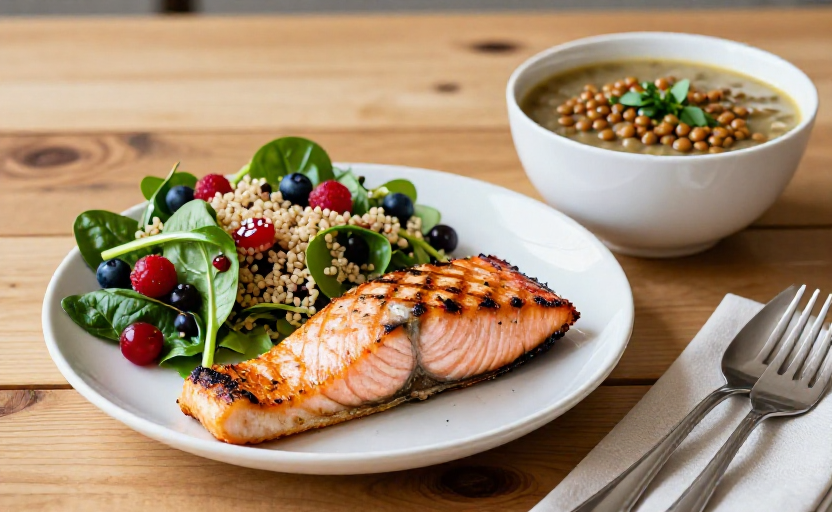
Salmon, mackerel, sardines, and trout are rich sources of omega-3 fatty acids, specifically EPA and DHA. These polyunsaturated fats are known to reduce systemic inflammation, support stable heart rhythms, and improve endothelial function—the ability of blood vessels to dilate and contract properly. For adults with structural heart abnormalities, maintaining flexible, healthy blood vessels reduces workload on the heart.
Aim for two servings of fatty fish per week, baked or grilled—not fried. If you do not eat fish, an algae-based DHA supplement may be appropriate after consulting your cardiologist.
2. Leafy green vegetables for vascular support
Spinach, kale, Swiss chard, and collard greens are dense in nitrates, which the body converts into nitric oxide—a molecule that relaxes blood vessels and improves circulation. They also provide magnesium, potassium, and folate, all of which help regulate blood pressure and reduce the risk of arrhythmias. For adults with congenital heart defects who may have altered hemodynamics, these vegetables support overall cardiovascular efficiency without adding excess sodium or saturated fat.
3. Berries for antioxidant protection
Blueberries, strawberries, raspberries, and blackberries are packed with anthocyanins and flavonoids—potent antioxidants that combat oxidative stress. Many adults with congenital heart disease experience increased oxidative burden due to altered blood flow patterns or prior surgical repairs. Regular berry consumption has been linked to improved arterial stiffness, lower LDL oxidation, and better overall vascular health. Add a half-cup to oatmeal, yogurt, or eat them fresh as a snack.
4. Whole grains for sustained energy and cholesterol management
Oats, quinoa, brown rice, barley, and whole-wheat products provide soluble fiber, which binds to cholesterol in the digestive tract and helps remove it from the body. Stable energy levels are particularly important for adults with ACHD, who may experience fatigue or reduced exercise tolerance. The B vitamins and magnesium in whole grains also support cardiac muscle function and energy metabolism. Choose whole grains over refined carbohydrates to avoid blood sugar spikes that can strain the heart.
5. Legumes for plant-based protein and potassium
Beans, lentils, chickpeas, and peas are excellent sources of plant protein, fiber, and potassium. Potassium helps counteract the effects of sodium, aiding blood pressure regulation—a key concern for many adults with congenital heart defects. Legumes also contain prebiotic fiber that supports gut health, and emerging research links a healthy gut microbiome to lower systemic inflammation. Use them in soups, salads, or as a meat substitute in stews.
Beyond these five categories, adults with congenital heart defects should prioritize a diet that is low in added sugars, sodium, and trans fats while being rich in whole, minimally processed foods. Hydration matters, too—water supports blood volume and circulation without added calories or caffeine that could affect heart rate. Work with a registered dietitian who understands ACHD to tailor these recommendations to your unique physiology, medication regimen, and coexisting conditions.
Eating well cannot correct a structural heart defect, but it can significantly reduce the strain on your heart and improve your quality of life over the long term. These five foods are a practical starting point for building a heart-healthy plate every day.