Heavy menstrual bleeding, clinically known as menorrhagia, can be more than a monthly inconvenience—it can be a disruptive force. For many, it means planning life around a cycle, worrying about leaks, and dealing with fatigue that feels like a constant companion. While a visit to your healthcare provider is the essential first step to rule out underlying conditions, emerging research and clinical nutrition wisdom suggest that what you eat may play a supportive role in managing flow and nourishing your body through this demand.
Dietitians emphasize that food is not a cure, but a form of foundational care. Certain nutrients are vital for blood health, hormone metabolism, and reducing inflammation, all of which can influence menstrual bleeding. Think of these dietary choices as part of a holistic toolkit, working alongside medical advice to help your body find a better balance.
How can food influence menstrual bleeding?
It might seem surprising that your plate could have anything to do with your period, but the connection lies in the intricate systems food supports. Heavy bleeding can deplete your body’s stores of iron, leading to anemia and worsening fatigue. It can also be influenced by inflammation and by compounds that affect how your blood clots.
“We look at foods that provide key nutrients for blood building and clotting, as well as those with anti-inflammatory properties,” explains a registered dietitian specializing in women’s health. “The goal is to nourish and replenish, not to replace necessary medical interventions.”
Here are five food groups that dietitians frequently highlight for their potential to help manage heavy menstrual bleeding by addressing these core needs.
1. Iron-rich foods (especially heme iron)
This is the most direct connection. Heavy bleeding is a primary cause of iron-deficiency anemia. Replenishing lost iron is crucial for restoring energy and supporting your body’s ability to produce healthy red blood cells.
Heme iron, found in animal proteins, is the most easily absorbed form. Focus on:
- Lean red meats like beef and lamb
- Organ meats, such as liver (in moderation)
- Poultry and fish
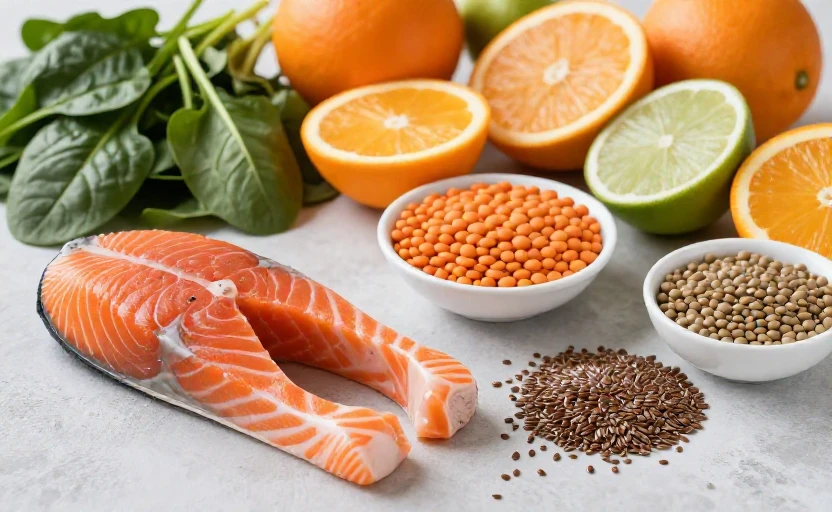
Non-heme iron, from plant sources, is also important but less readily absorbed. Pairing these with vitamin C-rich foods (like bell peppers or citrus) can significantly boost absorption. Good sources include:
- Lentils, beans, and chickpeas
- Spinach and kale
- Fortified cereals and tofu
Tip: If you eat plant-based iron, have a glass of orange juice or add tomatoes to your lentil soup. The vitamin C can enhance iron absorption by up to six times.
2. Dark leafy greens
Beyond iron, dark leafy greens like spinach, Swiss chard, and kale are powerhouses of vitamin K. This vitamin is essential for proper blood clotting. While a deficiency is rare, ensuring adequate intake supports your body’s natural clotting mechanisms.
They’re also rich in magnesium, a mineral that helps relax smooth muscle tissue. Some research suggests magnesium may play a role in reducing prostaglandins, hormone-like compounds that can cause cramping and potentially heavier flow.
3. Omega-3 rich fish
The anti-inflammatory properties of omega-3 fatty acids, particularly those found in fatty fish, are key. Inflammation can exacerbate menstrual symptoms. Omega-3s may help moderate the production of prostaglandins, which are involved in uterine contractions and bleeding.
Aim to include sources like salmon, mackerel, sardines, and herring in your diet a few times a week. For those who don’t eat fish, algae-based supplements are a direct source of the important DHA and EPA fats.
4. Vitamin C-rich fruits and vegetables
As mentioned, vitamin C is a potent ally for iron absorption. But its role doesn’t end there. Vitamin C is also necessary for strengthening capillaries (tiny blood vessels). Stronger capillaries may be less prone to easy breakage, which could contribute to a steadier flow.
Incorporate a variety of colorful options: citrus fruits, strawberries, kiwi, bell peppers, broccoli, and Brussels sprouts. Eating them raw or lightly cooked preserves their vitamin C content best.
5. Flaxseeds
These tiny seeds offer a unique combination of benefits. They are one of the richest plant sources of lignans, compounds that may have a mild balancing effect on estrogen levels. They are also an excellent source of soluble fiber, which helps the body excrete excess estrogen.
Furthermore, flaxseeds provide anti-inflammatory omega-3s (in the form of ALA). Grinding them is essential to access their nutrients; sprinkle a tablespoon or two on oatmeal, yogurt, or into smoothies.
Foods and habits to be mindful of
Just as some foods may help, others might be worth moderating. Dietitians often note that excessive intake of alcohol and very high doses of certain supplements (like vitamin E or ginkgo biloba) might thin the blood. It’s always wise to discuss any supplements you’re taking with your doctor, especially if you have heavy periods.
The most important step is always to consult a healthcare professional to understand the cause of heavy bleeding. From there, you can build a nutritional plan with a registered dietitian that supports your unique health profile, turning your diet into a source of strength and replenishment each month.