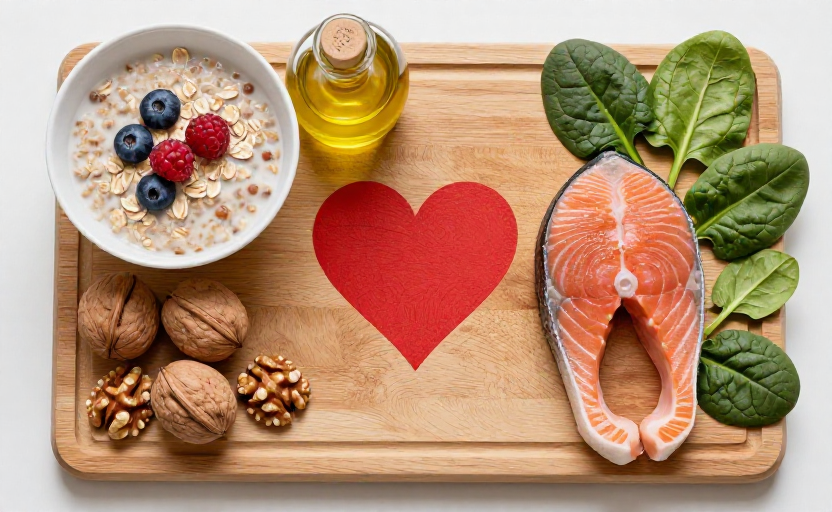
When it comes to heart health, few things are as quietly dangerous as the gradual buildup of plaque inside your arteries. This process, called atherosclerosis, stiffens blood vessels and restricts flow, raising your risk for heart attack and stroke. The good news? Your grocery list can be a powerful tool. Dietitians emphasize that while no single food is a magic bullet, certain foods—eaten consistently as part of a balanced diet—can help slow, stop, or even slightly reverse plaque buildup.
These five foods stand out in the research. They target inflammation, lower LDL cholesterol, reduce oxidative stress, and support healthy blood pressure—all critical factors in managing arterial health. Here’s what the experts recommend adding to your plate.
1. Fatty Fish: Omega-3s That Fight Inflammation
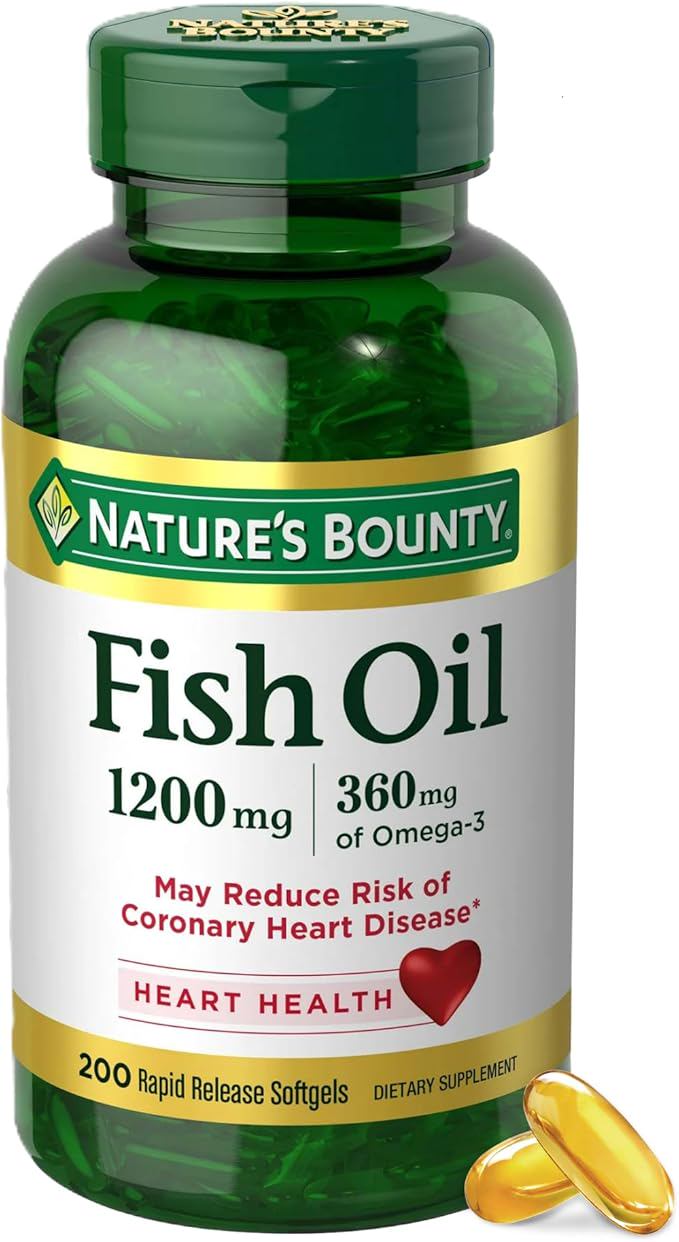
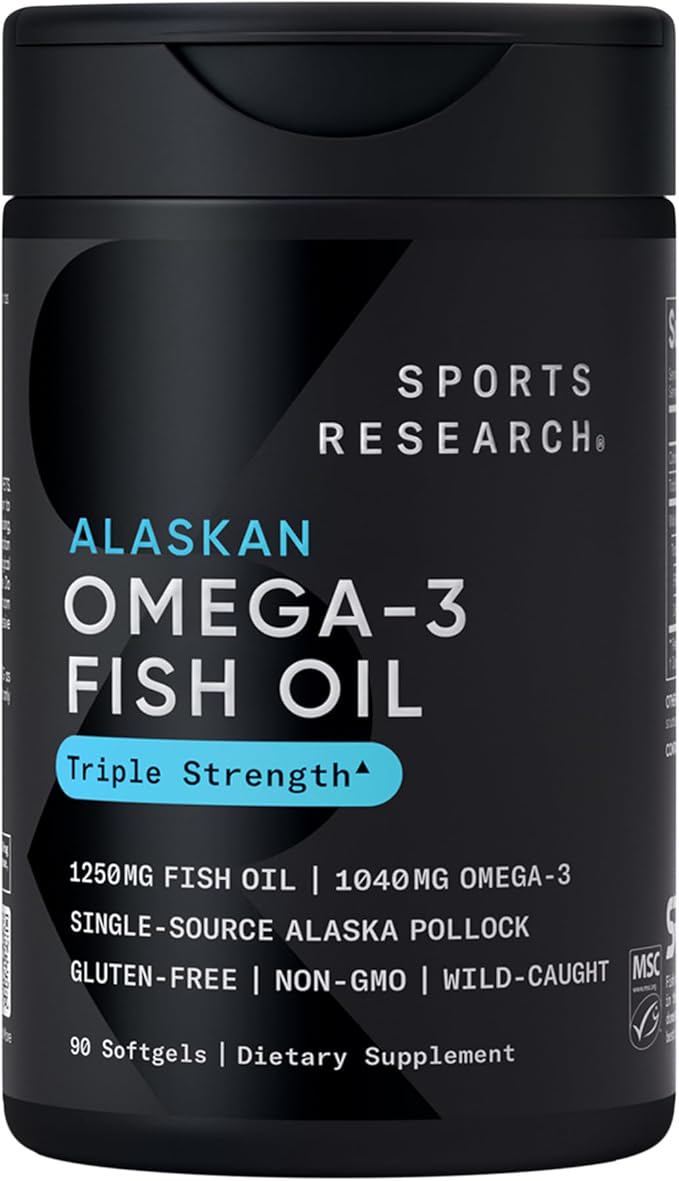
Salmon, mackerel, sardines, and trout are packed with omega-3 fatty acids, specifically EPA and DHA. These healthy fats are known to lower triglycerides, reduce blood pressure, and decrease the inflammation that drives plaque formation. Dietitians suggest eating two servings (about 6 ounces total) of fatty fish per week. If fish isn’t your thing, a high-quality fish oil supplement can be a reasonable alternative—but food sources offer a whole package of nutrients that work together.
A study published in the Journal of the American Heart Association found that people who ate fatty fish regularly had slower progression of coronary artery plaque compared to those who rarely ate fish. The omega-3s also help stabilize existing plaque, making it less likely to rupture and cause a clot.
2. Oats: Soluble Fiber to Sweep Out Cholesterol
A bowl of oatmeal is more than a cozy breakfast—it’s a cholesterol-lowering powerhouse. Oats contain beta-glucan, a type of soluble fiber that binds to cholesterol-rich bile acids in your gut and escorts them out of your body. Your liver then pulls more LDL cholesterol from your blood to make new bile acids, effectively lowering your levels over time.
To get the benefit, you need about 3 grams of beta-glucan daily, which is roughly one and a half cups of cooked oats. Go for steel-cut or rolled oats over instant varieties, which often have added sugar. Pair them with berries or a sprinkle of cinnamon for extra antioxidants that protect blood vessels.
3. Nuts: A Handful for Healthy Arteries
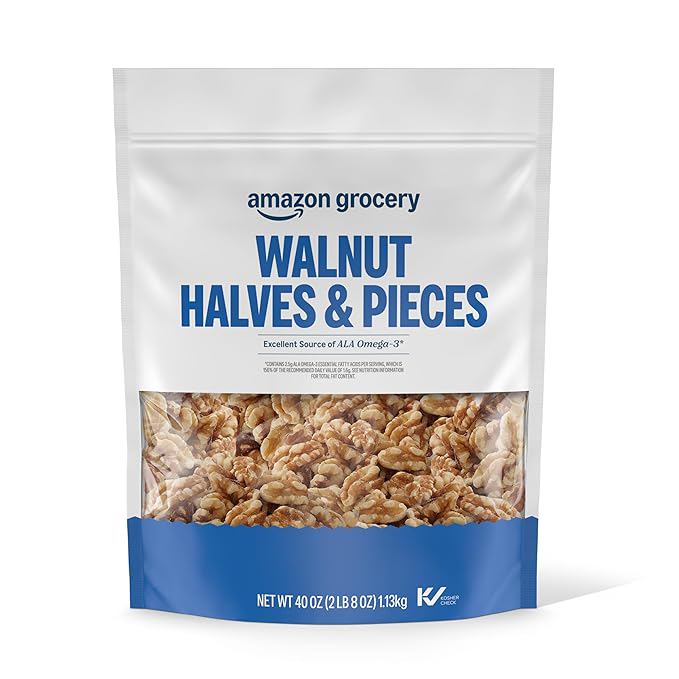
Walnuts, almonds, and pistachios are heart-healthy superstars. They’re rich in unsaturated fats, fiber, vitamin E, and plant sterols—all of which help lower LDL cholesterol and reduce arterial inflammation. Dietitians recommend a small handful (about 1 ounce) per day, preferably unsalted.
A landmark study from the New England Journal of Medicine found that a Mediterranean diet supplemented with nuts significantly reduced the risk of major cardiovascular events. Walnuts, in particular, are high in alpha-linolenic acid (ALA), a plant-based omega-3 that supports blood vessel flexibility. Just don’t go overboard—nuts are calorie-dense, so portion control matters.
4. Extra-Virgin Olive Oil: Liquid Gold for Your Arteries
Extra-virgin olive oil (EVOO) is the cornerstone of the Mediterranean diet, and for good reason. It’s loaded with monounsaturated fats and polyphenols—antioxidants that protect LDL cholesterol from oxidation, a key step in plaque formation. Oxidized LDL is much more likely to get stuck in artery walls and trigger inflammation.
Using 2 tablespoons of EVOO per day in place of butter or other less healthy fats has been shown to improve cholesterol ratios and lower blood pressure. Look for “extra-virgin” on the label, which means the oil is minimally processed and retains more beneficial compounds. Drizzle it over vegetables, use it in salad dressings, or cook with it at low to medium heat.
5. Dark Leafy Greens: Vitamin K and Nitrates for Clean Vessels
Spinach, kale, Swiss chard, and collard greens are packed with vitamin K1, which helps prevent calcium from depositing in your artery walls. Arterial calcification is a major component of stiff, plaque-ridden vessels. The nitrates in leafy greens also help dilate blood vessels, improving blood flow and lowering blood pressure.
Dietitians recommend at least one serving (about 2 cups raw or 1 cup cooked) of dark leafy greens per day. Steam them, add to soups, or blend into smoothies. A 2021 study in the Journal of Nutrition found that people who ate the most leafy greens had significantly less carotid artery thickness, a marker of plaque burden.
Putting It All Together
No single food can undo years of unhealthy eating, but consistently incorporating these five into a heart-smart diet can make a real difference. Think of them as part of a bigger picture that also includes limiting added sugars, refined carbs, and excess sodium. Small daily choices add up—and your arteries will thank you.