

If you're managing Polycystic Ovary Syndrome (PCOS), you've likely heard about insulin resistance. It's a core feature for many, where your body's cells don't respond well to insulin, leading to higher blood sugar and often making PCOS symptoms more challenging. While it sounds complex, one of the most direct ways to support your body is through the food you choose at each meal.
It’s not about a restrictive diet, but about strategic nourishment. Certain foods have properties that can help improve your cells' sensitivity to insulin, creating a more balanced internal environment. We spoke with dietitians who specialize in PCOS to highlight five foundational food groups that consistently earn a spot on their recommendation lists for fighting insulin resistance.
Why Food Choices Matter for PCOS and Insulin
Think of insulin as a key meant to unlock your cells to let glucose (sugar) in for energy. With insulin resistance, the lock gets a bit rusty—the key doesn't work as well, so your pancreas has to make more and more insulin to force the door open. This high insulin level can drive androgen production (leading to symptoms like unwanted hair growth and acne) and make weight management feel like an uphill battle.
Food is a powerful tool because it interacts directly with this process. The goal isn't to eliminate carbohydrates—they're a crucial energy source—but to choose them wisely and pair them with other nutrients that slow digestion and blunt the blood sugar spike. This gentler rise and fall means your body doesn't need to pump out as much insulin, giving those cellular locks a chance to regain their sensitivity.
1. Fatty Fish: The Omega-3 Powerhouse
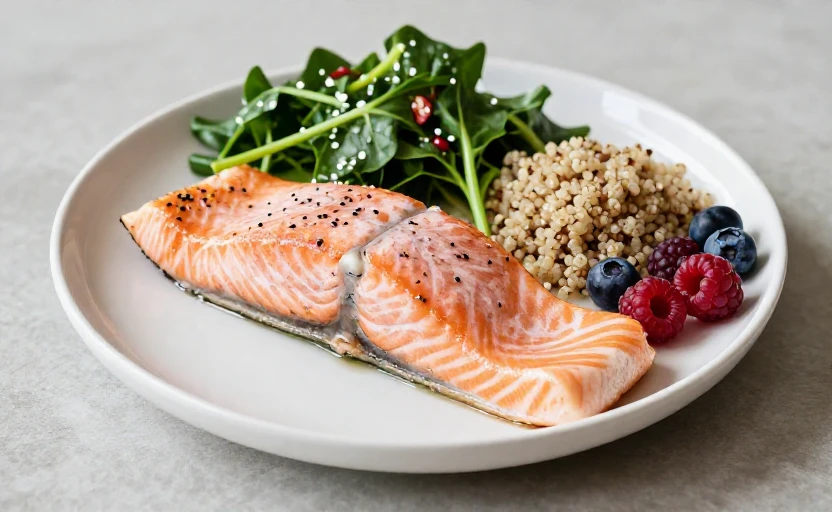
Salmon, mackerel, sardines, and herring are rich in omega-3 fatty acids, specifically EPA and DHA. These fats are celebrated for reducing inflammation, which is often elevated in PCOS and is closely linked to worsening insulin resistance.
“Omega-3s from fish can improve how your cells respond to insulin,” explains a registered dietitian specializing in hormonal health. “They help make cell membranes more fluid, which improves insulin receptor function. Aiming for two servings per week is a great starting point.”
Beyond omega-3s, fatty fish is a superb source of high-quality protein. Including a palm-sized portion in your meal helps you feel full and satisfied, stabilizing blood sugar for hours afterward.
2. Legumes: The Fiber-Fueled Stabilizer
This category includes lentils, chickpeas, black beans, and kidney beans. They are unique because they provide a combination of complex carbohydrates and a hefty dose of plant-based protein and fiber. This trio is excellent for metabolic health.
The soluble fiber in legumes forms a gel-like substance in your gut, which slows the absorption of sugars into your bloodstream. This results in a slow, steady release of glucose, preventing the sharp spikes that demand a large insulin response. They are also rich in magnesium, a mineral that plays a key role in insulin’s action.
- Add chickpeas to a salad or roast them for a crunchy snack.
- Use lentils as a base for soups, stews, or as a taco filling.
- Blend white beans into a creamy soup or dip.
3. Leafy Greens and Non-Starchy Vegetables
Vegetables like spinach, kale, broccoli, cauliflower, bell peppers, and zucchini are incredibly low in digestible carbohydrates but high in volume, nutrients, and antioxidants. You can eat generous portions, which helps with satiety, while consuming very few calories and carbs.
They are packed with magnesium, antioxidants like vitamin C, and compounds that combat oxidative stress—a factor that can impair insulin signaling. Filling half your plate with these vegetables at meals is a simple, effective strategy to crowd out more processed options and provide direct nutritional support to your cells.
4. Berries: The Antioxidant-Rich Sweet Choice
If you have a sweet tooth, berries are your best ally. Raspberries, blueberries, strawberries, and blackberries are lower in sugar than many other fruits and are exceptionally high in fiber and antioxidants called polyphenols.
“The polyphenols in berries, like anthocyanins, have been shown to improve insulin sensitivity and reduce inflammation,” notes a dietitian. “Their fiber content also moderates the natural fruit sugars. They’re a perfect way to enjoy sweetness without the metabolic stress.”
Enjoy them fresh or frozen on their own, blended into a smoothie with protein powder and greens, or as a topping for plain Greek yogurt.
5. Nuts and Seeds: The Crunchy Blood Sugar Buffer
Almonds, walnuts, chia seeds, flaxseeds, and pumpkin seeds are tiny packages of healthy fats, fiber, and protein. Having a small handful as a snack or sprinkling them on meals creates a natural buffer against blood sugar spikes.
The fat and fiber they contain slow gastric emptying. This means if you eat them with a carbohydrate-containing food—like adding almond butter to an apple or chia seeds to oatmeal—the glucose from that food enters your bloodstream much more slowly. Flax and chia seeds also offer a plant-based form of omega-3s (ALA).
How to Bring It All Together on Your Plate
Knowing which foods help is one thing; building daily meals with them is another. The core principle is balance. Instead of focusing on removing foods, focus on adding these beneficial ones and creating a balanced plate.
A practical template to follow: fill half your plate with non-starchy vegetables, a quarter with a quality protein (like fatty fish or legumes), and a quarter with a complex carbohydrate (like quinoa, sweet potato, or oats). Then, include a source of healthy fat (like a sprinkle of nuts or seeds or avocado). This combination naturally supports stable blood sugar and improved insulin sensitivity over time.
Remember, consistency beats perfection. Incorporating even one or two of these food groups more regularly can make a meaningful difference. It’s about building sustainable habits that nourish and support your body while managing PCOS.








