When you're hoping to conceive, the journey can feel deeply personal and sometimes overwhelming. Amidst the charts, cycles, and appointments, one of the most grounding and proactive steps you can take is to look at your plate. Nutrition doesn't hold a magic key to fertility, but it can create a supportive, nourishing environment for your reproductive health. We spoke with reproductive health dietitians to understand which foods consistently make their recommendation lists for those trying to conceive.
Why does nutrition matter for fertility?
Think of your body as a garden. For a seed to implant and thrive, the soil needs to be rich, balanced, and well-prepared. The foods you eat help build that foundation. They influence hormone regulation, reduce inflammation, support egg and sperm quality, and promote a healthy uterine lining. While no single food guarantees a pregnancy, a consistent pattern of nutrient-dense choices can be a powerful part of your overall wellness strategy.
Nutrition is about creating a hospitable environment. We're not looking for a quick fix, but for sustainable, nourishing habits that support the body's complex processes.
Foods that can support your fertility journey
Here are five food groups that reproductive health dietitians frequently highlight for their specific nutrient profiles and potential benefits for hormonal health and conception.
1. Fatty Fish
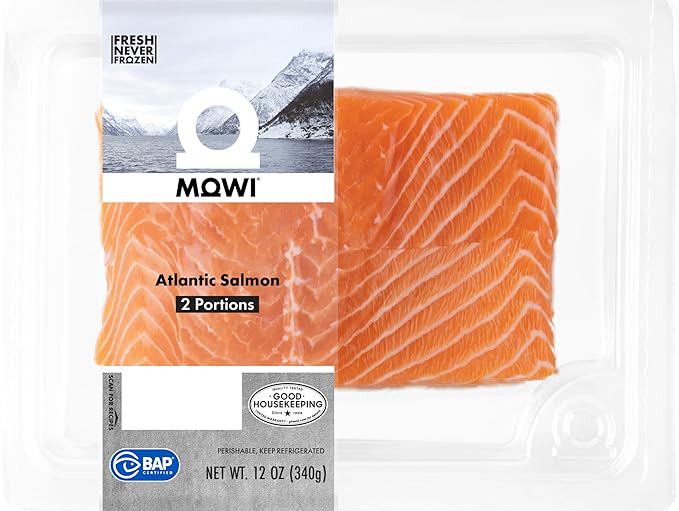
Salmon, sardines, and mackerel are rich in omega-3 fatty acids, specifically DHA and EPA. These fats are crucial for reducing inflammation in the body, which can be beneficial for conditions like endometriosis and PCOS that are often linked with inflammation. Omega-3s also play a role in hormone production and may help regulate the menstrual cycle. Aim for two servings per week of low-mercury, wild-caught varieties.
2. Leafy Greens
Spinach, kale, Swiss chard, and collard greens are fertility superstars, packed with folate. This B-vitamin is essential for healthy ovulation and for preventing neural tube defects very early in pregnancy. Many greens are also high in iron, which supports healthy blood flow to reproductive organs, and antioxidants that protect cells from damage. Try adding a handful to smoothies, scrambles, or as a cooked side dish.
3. Whole Eggs
Don't skip the yolk. Whole eggs are a complete protein source and contain choline, a nutrient vital for fetal brain development and one that many people don't get enough of. They also provide vitamin D, which is increasingly linked to improved fertility outcomes, and antioxidants like lutein and zeaxanthin. Including whole eggs in your diet is a simple way to pack in multiple fertility-supportive nutrients.
4. Lentils and Beans
These plant-based powerhouses are excellent sources of fiber and plant protein. Fiber helps the body eliminate excess hormones, like estrogen, promoting better hormonal balance. They're also rich in iron and folate. For those with PCOS, the steady energy from the complex carbs and protein in legumes can help manage blood sugar levels, which is key for regulating insulin and ovulation.
5. Berries and Citrus Fruits
Brightly colored berries (blueberries, strawberries, raspberries) and citrus fruits (oranges, grapefruit) are loaded with vitamin C and antioxidants. Vitamin C can improve hormone levels and is involved in progesterone production. Antioxidants combat oxidative stress, which can negatively impact both egg and sperm quality. They're a delicious way to add a protective, nutrient-dense element to your day.
Building a fertility-supportive plate
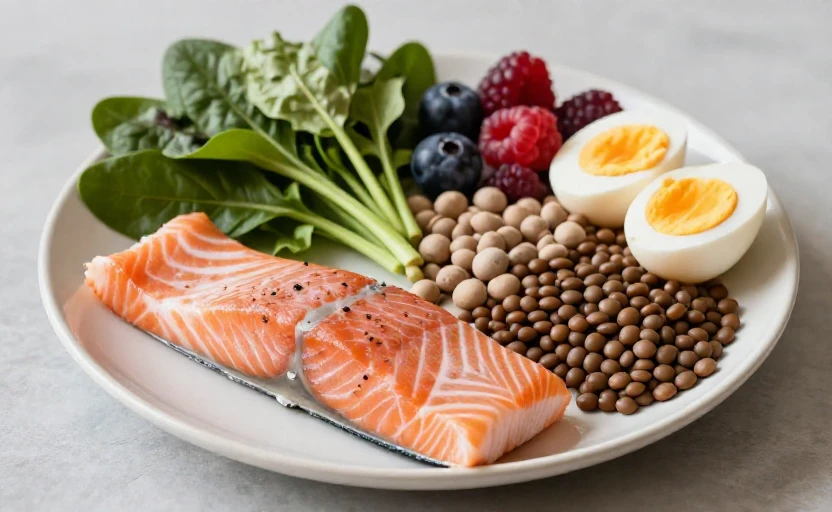
Instead of focusing on individual "superfoods," dietitians encourage a plate-based approach for sustained benefit. Aim for a balance at most meals:
- Half your plate with colorful vegetables and some fruit.
- A quarter with quality protein (like fish, eggs, lentils, or poultry).
- A quarter with complex carbohydrates (like quinoa, sweet potato, or oats).
- Include a source of healthy fat (like avocado, olive oil, or nuts).
This pattern ensures a steady intake of the vitamins, minerals, and antioxidants your reproductive system needs to function optimally.
A note on what to limit
While adding nourishing foods is the primary goal, dietitians often suggest being mindful of ultra-processed foods, added sugars, and excessive caffeine. These can contribute to inflammation and blood sugar spikes, which may disrupt hormonal harmony. The goal isn't perfection or deprivation, but a gentle shift toward more whole foods.
Remember, fertility is multifaceted. Nutrition is one supportive pillar, alongside managing stress, getting adequate sleep, and working with your healthcare team. Making these dietary changes is a positive, empowering step you can take, offering nourishment for both your body and your hopeful heart.