When worry becomes a constant companion, it can feel like it lives in your mind alone. But the connection between what you eat and how you feel is more direct than you might think. Emerging research in nutritional psychiatry suggests that certain foods can influence brain chemistry, gut health, and inflammation—all key players in regulating mood and anxiety. While food isn't a cure for clinical anxiety disorders, building a supportive diet can be a powerful, foundational tool for calming a restless mind.
Think of it as nourishment for your nervous system. The goal isn't to find a single magic bullet, but to incorporate a variety of nutrient-dense foods that work together to support resilience. We spoke with nutritionists to identify five key food categories that consistently appear in their recommendations for clients dealing with persistent worry.
Fatty Fish: The Omega-3 Powerhouse
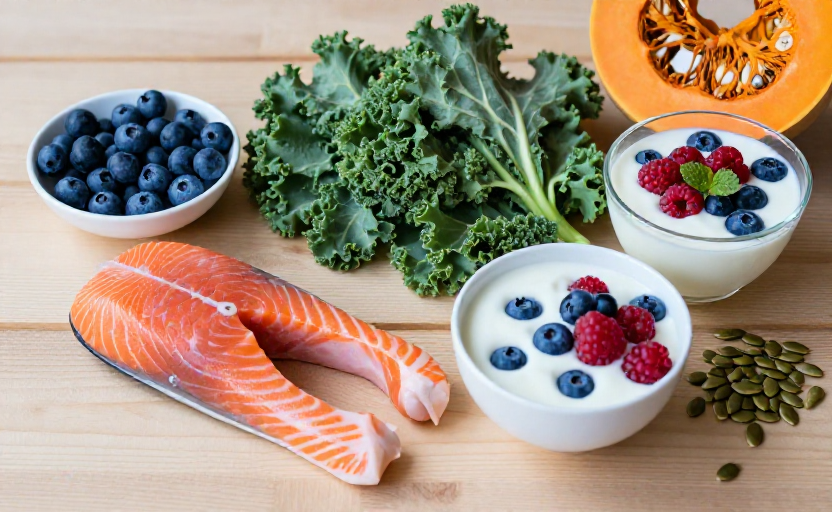
Salmon, mackerel, sardines, and anchovies are rich in EPA and DHA, two types of omega-3 fatty acids that are crucial for brain health. Your brain is nearly 60% fat, and these specific fats help build cell membranes, reduce neuroinflammation, and may even promote the growth of new brain cells.
“Chronic, low-grade inflammation is increasingly linked to mood disorders, including anxiety,” explains one nutritionist. “Omega-3s from fatty fish are potent anti-inflammatories for the brain. They help modulate the stress response system, making it less reactive over time.” Aiming for two to three servings per week is a common recommendation to see potential benefits for mood.
Not a fan of fish? Algae-based supplements are a direct plant source of EPA and DHA.
Fermented Foods: Cultivating Calm from the Gut Up
Yogurt with live cultures, kefir, kimchi, sauerkraut, kombucha, and miso are teeming with beneficial bacteria. This isn't just about digestion; it's about the gut-brain axis, a constant communication highway between your gut and your brain. The microbes in your gut produce a significant amount of neurotransmitters, including about 95% of your body's serotonin, a key regulator of mood and anxiety.
“A diverse, healthy gut microbiome seems to be associated with better emotional regulation,” a nutritionist notes. “When we support our gut bacteria with fermented foods, we're indirectly supporting the production of calming chemical messengers.” Start with small servings to allow your system to adjust.
Leafy Greens and Cruciferous Vegetables: The Magnesium and Folate Factor
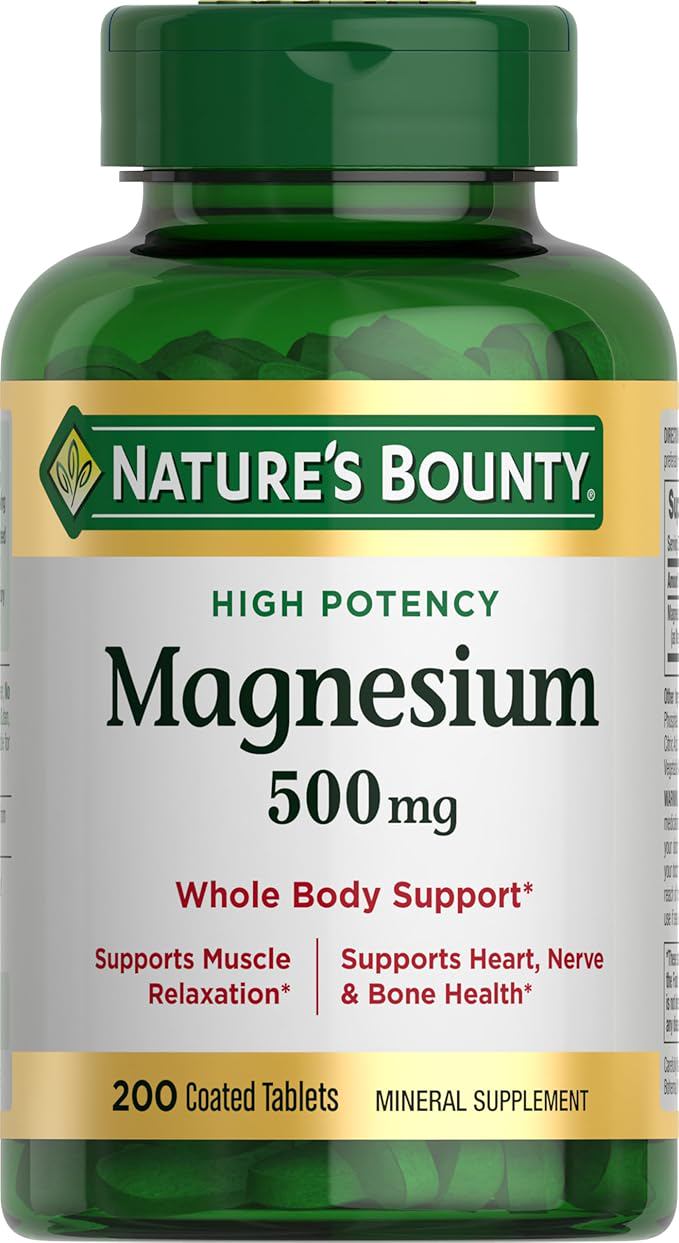
Spinach, Swiss chard, kale, broccoli, and Brussels sprouts are packed with magnesium and B vitamins, particularly folate. Magnesium acts as a natural relaxant for the nervous system. It helps regulate neurotransmitters and the stress hormone cortisol. Many people don't get enough from their diet, and deficiency can manifest as increased nervousness and irritability.
Folate, or vitamin B9, is involved in producing dopamine and serotonin. “These vegetables provide a double benefit,” says a nutritionist. “The magnesium helps take the edge off the physiological stress response, while folate supports the biochemical pathways for feel-good neurotransmitters.” Try adding a handful of greens to smoothies, soups, or scrambles for an easy boost.
Simple Ways to Get More Greens
- Blend spinach or kale into a morning smoothie.
- Toss broccoli florets with olive oil and roast until crispy.
- Use large Swiss chard leaves as a wrap for sandwiches or bowls.
- Add a handful of arugula or baby kale to any pasta dish just before serving.
Berries: Antioxidant-Rich Stress Shields
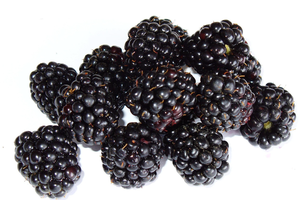
Blueberries, strawberries, raspberries, and blackberries are loaded with antioxidants like flavonoids. These compounds combat oxidative stress, a type of cellular damage that is heightened during periods of chronic anxiety and worry. When your brain is under oxidative stress, it can impair function and exacerbate anxious feelings.
“Think of antioxidants as little protectors for your brain cells,” one nutritionist suggests. “By reducing this cellular stress, we create a better environment for the brain to manage worry and maintain cognitive clarity.” Their natural sweetness also makes them a great alternative to sugary snacks, which can cause blood sugar spikes and crashes that worsen anxiety.
Pumpkin Seeds and Other Magnesium-Rich Nuts
While leafy greens offer magnesium, pumpkin seeds (also called pepitas) are an exceptionally concentrated source. Just a quarter-cup provides nearly half the recommended daily intake. Almonds, cashews, and Brazil nuts are also excellent choices, with Brazil nuts adding the bonus of selenium, another mineral linked to mood.
“Magnesium is nature's chill pill,” a nutritionist states plainly. “It's a cofactor in hundreds of enzymatic reactions in the body, many involved in the stress response. Having a small handful of pumpkin seeds as a snack can be a tangible, quick way to support your nervous system during a tense day.”
Remember, the journey to managing chronic worry with diet is about consistent inclusion, not perfection. Start by adding one or two of these foods to your regular routine. Notice how you feel. Pairing this nutritional approach with other supportive practices—like mindful movement, adequate sleep, and professional support when needed—creates a robust foundation for a calmer, more resilient mind.