For many women navigating polycystic ovary syndrome (PCOS), the frustration of irregular periods is a constant companion. The unpredictable cycle isn't just an inconvenience; it's a tangible sign of the hormonal imbalance at the heart of the condition. While medical guidance is essential, the food on your plate can play a supportive, foundational role. Nutrition isn't a magic cure, but it is a powerful tool for creating an internal environment where your hormones have a better chance of finding their natural rhythm.
Think of it this way: PCOS often involves insulin resistance, where your body struggles to use insulin effectively. This can lead to elevated insulin levels, which in turn signal your ovaries to produce more androgens (like testosterone). These androgens are a key driver of missed or irregular ovulation and periods. The goal with food, then, is to choose options that help manage insulin response, reduce inflammation, and provide the specific nutrients your body needs for hormonal synthesis and balance.
What makes a food helpful for PCOS and periods?
Before we list specific foods, it’s useful to understand the qualities we’re looking for. Beneficial foods for PCOS-related cycle irregularity typically share a few key characteristics. They are often rich in fiber, which slows the absorption of sugar into your bloodstream, helping to prevent the insulin spikes that can worsen hormonal imbalance. Many are also high in anti-inflammatory compounds, as chronic low-grade inflammation is a common feature of PCOS. Finally, they provide key micronutrients—like magnesium, zinc, and B vitamins—that act as cofactors in the complex biochemical pathways that produce and regulate your sex hormones.
Five supportive foods to consider
Integrating these foods isn't about a restrictive diet or eating only these five items. It’s about making them consistent, thoughtful additions to a varied and balanced plate.
1. Lentils and other legumes
Beans, chickpeas, and lentils are unsung heroes for hormonal health. They are a stellar source of both protein and soluble fiber. This combination is particularly effective for blood sugar management. A steady blood sugar level promotes steadier insulin levels, which can help reduce the excess androgen production that disrupts ovulation. Furthermore, legumes are a good source of zinc and B vitamins, nutrients intimately involved in ovarian function and progesterone production.
Try adding a half-cup of lentils to soups, salads, or as a base for bowls. Their mild flavor makes them a versatile backbone for meals.
2. Fatty fish like salmon
The omega-3 fatty acids found in fatty fish (salmon, mackerel, sardines) are potent anti-inflammatory agents. By helping to lower systemic inflammation, they can indirectly improve how your cells respond to insulin. Some research also suggests omega-3s may help lower androgen levels. Beyond this, salmon is an excellent source of vitamin D. Many women with PCOS have low vitamin D levels, and adequate vitamin D is associated with improved menstrual regularity and insulin sensitivity.
Aim for two servings per week. If fish isn't an option, discuss other sources of omega-3s with a healthcare provider.
3. Dark leafy greens
Spinach, kale, Swiss chard, and collard greens are nutrient powerhouses. They are exceptionally high in magnesium—a mineral that many women with PCOS are deficient in. Magnesium plays a role in glucose metabolism and insulin action. It also helps regulate the nervous system, which manages the stress response. Since stress can exacerbate PCOS symptoms, this is a double benefit. These greens are also rich in B vitamins, including folate, which is crucial for healthy cell division and hormone regulation.
4. Berries
If you have a sweet craving, berries are your best ally. Raspberries, blackberries, blueberries, and strawberries are lower in sugar than many other fruits and packed with fiber and antioxidants. The antioxidants combat oxidative stress, another component of PCOS. Their high fiber content means they have a low glycemic impact, preventing sharp rises in blood sugar. They add sweetness and vital nutrients without the metabolic cost of more refined sugars, which can directly aggravate insulin resistance.
5. Whole oats
Starting your day with a bowl of steel-cut or old-fashioned oats can set a stable metabolic tone. Oats are a source of soluble fiber called beta-glucan, which has been shown to improve insulin sensitivity and lower blood sugar responses after meals. They also provide magnesium and zinc. Choosing whole oats over instant, flavored varieties is key to avoiding added sugars. Top them with berries and a sprinkle of nuts for a PCOS-friendly breakfast that combines several supportive foods.
Building a plate for balance
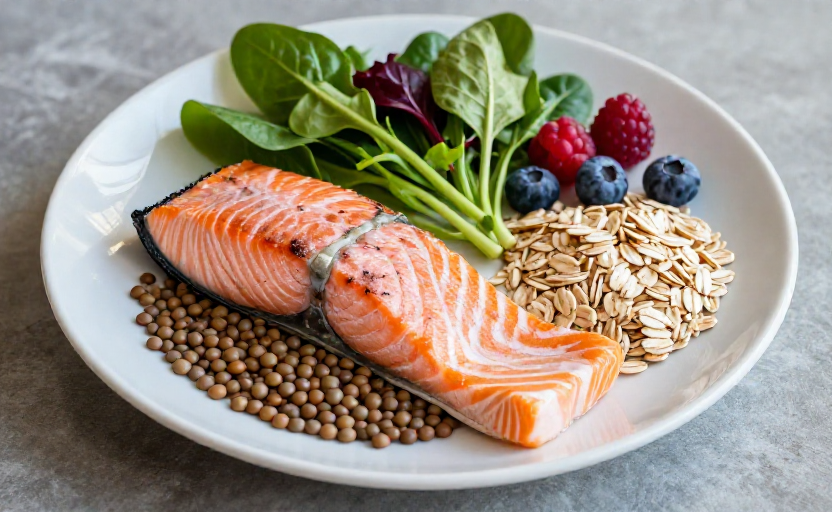
Focusing on single foods is helpful, but seeing the bigger picture is more powerful. A balanced approach to eating with PCOS often emphasizes a plate that combines quality protein, high-fiber carbohydrates, and healthy fats at each meal. This combination is the gold standard for minimizing blood sugar spikes. For example, pair salmon (protein/fat) with quinoa (fiber-rich carb) and roasted broccoli (fiber/ nutrients). This method supports hormonal health more effectively than any single food in isolation.
It’s equally important to be mindful of foods that may disrupt balance for some individuals. Highly processed carbohydrates, sugary drinks, and excessive saturated fats can promote inflammation and insulin resistance. This doesn’t mean absolute elimination, but rather a conscious reduction, making space for more of the nutrient-dense choices that actively support your system.
A note on patience and perspective
Nutritional changes work subtly and systemically. Don’t expect one serving of lentils to trigger a period. The goal is consistent nourishment over weeks and months to gently guide your body toward a more balanced state. Track your cycles and how you feel—energy, mood, cravings—as you make these changes. This can help you see patterns and progress that aren't solely defined by calendar dates.
Always partner dietary changes with guidance from a healthcare professional, such as a doctor or a registered dietitian who understands PCOS. They can help you create a personalized plan that addresses your unique metabolic and hormonal profile. Food is a profound form of self-care, a daily opportunity to support your body as you manage PCOS.