

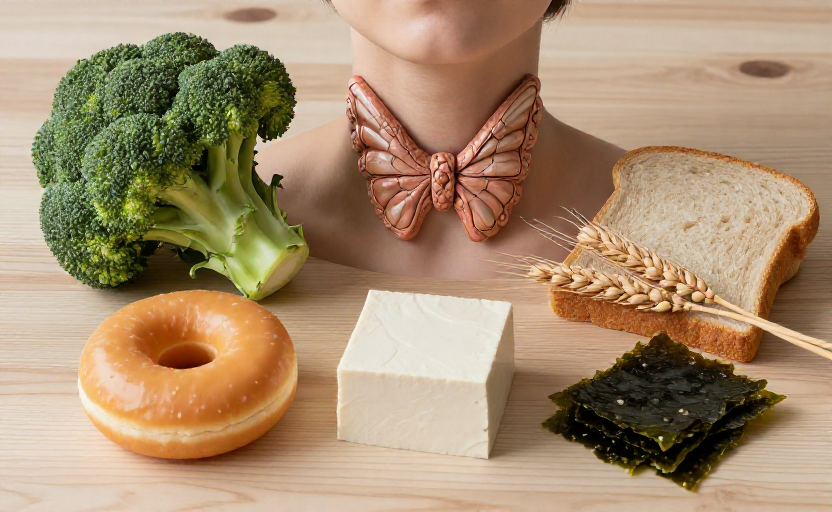
Your thyroid is a small, butterfly-shaped gland in your neck that punches well above its weight. It produces hormones that regulate your metabolism, energy levels, heart rate, and body temperature. When that delicate hormonal balance is thrown off, you can feel it — fatigue, brain fog, weight changes, or feeling cold all the time.
While genetics and autoimmune conditions like Hashimoto's disease are common drivers of thyroid issues, what you eat plays a supporting role that is often underestimated. Certain foods contain compounds that can interfere with thyroid hormone production, absorption, or signaling. This doesn't mean you need to panic about every meal. It means being aware of the biggest players so you can make informed choices, especially if you already have an underactive thyroid (hypothyroidism) or a family history of thyroid problems.
Here are five foods and compounds that can disrupt your thyroid hormone balance, and what to do about them.
1. Cruciferous Vegetables (Raw and in Large Amounts)
You've heard that kale, broccoli, cauliflower, Brussels sprouts, and cabbage are superfoods — and they are, for most people. But they also belong to a group of foods that contain goitrogens. These are naturally occurring substances that can interfere with the thyroid's ability to take up iodine, which is essential for making thyroid hormones.
The nuance is important: for someone with a healthy thyroid who eats a balanced diet with enough iodine, moderate amounts of cooked cruciferous vegetables are not a problem. The risk increases when these vegetables are eaten raw in very large quantities (think juicing kale daily) or when iodine intake is already low.
Bottom line: Thoroughly cooking broccoli or cauliflower deactivates most of the goitrogenic compounds. You would need to eat unusually large amounts of raw cruciferous vegetables every day to see a real effect.
2. Soy and Soy-Based Products
Soybeans contain isoflavones, another type of goitrogen. These compounds can block the enzyme thyroid peroxidase (TPO), which is critical for attaching iodine to the amino acid tyrosine — a key step in making thyroid hormones. Soy can also interfere with how well your body absorbs thyroid medication.
This is particularly relevant for people managing hypothyroidism. Tofu, edamame, soy milk, tempeh, and textured vegetable protein are common sources. The effect is typically moderate, but consistent daily intake can add up.
The workaround is timing. If you take thyroid medication (like levothyroxine), most experts recommend waiting at least three to four hours before consuming soy products. And unless your diet is otherwise very low in iodine and selenium, occasional soy is unlikely to cause a problem.
3. Sugary and Ultra-Processed Foods
This one is less about a direct chemical block and more about a systemic effect that puts stress on your thyroid. A diet high in added sugar, refined grains, and industrial seed oils promotes chronic inflammation and can disrupt the conversion of the thyroid hormone T4 (the storage form) into the active T3 form.
When your body is in a chronic inflammatory state, it can also increase the production of cortisol — the stress hormone. High cortisol levels are known to suppress thyroid function, including reducing TSH (thyroid-stimulating hormone) release from the pituitary gland. The result is that even if your thyroid is making enough T4, your cells may not get enough active T3.
Think of it this way: a diet heavy in soda, white bread, sugary coffee drinks, and packaged snacks creates a metabolic environment where your thyroid has to work harder to do its job.
4. Excessive Gluten (for Those with Autoimmune Thyroiditis)
Gluten itself is not a direct threat to the thyroid of a healthy person. However, there is a well-documented link between celiac disease and Hashimoto's thyroiditis. These are both autoimmune conditions, and they often cluster together. In people with Hashimoto's, the immune system attacks the thyroid. In those with gluten sensitivity or celiac, gluten triggers an immune response that can cross-react with thyroid tissue — a phenomenon called molecular mimicry.
Gluten is a protein found in wheat, barley, and rye. For someone with Hashimoto's who also has undiagnosed celiac or non-celiac gluten sensitivity, eating gluten can worsen thyroid antibody levels and symptoms. This does not mean everyone with a thyroid issue needs to go gluten-free. But if you have a confirmed autoimmune thyroid condition and struggle with bloating, fatigue, or brain fog, it may be worth investigating.
A trial elimination of gluten for 30 days (under a doctor's guidance) can clarify if it is a trigger for you.
5. High-Iodine Foods (in Excess)
Iodine is essential for thyroid hormone production — your body cannot make T3 or T4 without it. But the relationship is a Goldilocks story: too little iodine causes hypothyroidism, and too much can be just as disruptive.
Excess iodine can trigger a phenomenon known as the Wolff-Chaikoff effect, where the thyroid temporarily halts hormone production to protect itself from overload. In people with an underlying thyroid issue (especially Hashimoto's or nodular goiter), this can trigger or worsen hypothyroidism. Major sources of high iodine include kelp, seaweed (nori, kombu, wakame), iodized salt, and some multivitamins or supplements marketed for thyroid health.
The problem often arises when people self-prescribe kelp supplements for a sluggish thyroid. Because seaweed can contain wildly variable and sometimes extremely high amounts of iodine, it can backfire spectacularly. Stick to food sources of iodine from iodized salt (used in moderation) or from dairy and eggs, which provide a stable amount.
How to Eat for a Happy Thyroid
Being aware of these foods doesn't mean you have to eat a restrictive diet. The common thread is balance and preparation. Cooking cruciferous veggies, timing soy away from medication, limiting ultra-processed foods, and avoiding mega-doses of iodine from supplements will cover most of your bases.
Supporting your thyroid also means eating foods that help it function — like those rich in selenium (Brazil nuts, tuna, eggs) and zinc (oysters, pumpkin seeds, lean beef). If you suspect you have a thyroid issue, a simple blood test from your healthcare provider that checks TSH, free T4, and TPO antibodies is the first step.
This article is for educational purposes only and is not a substitute for professional medical advice, diagnosis, or treatment. Always consult a qualified healthcare provider regarding any health concerns or before making dietary changes.








