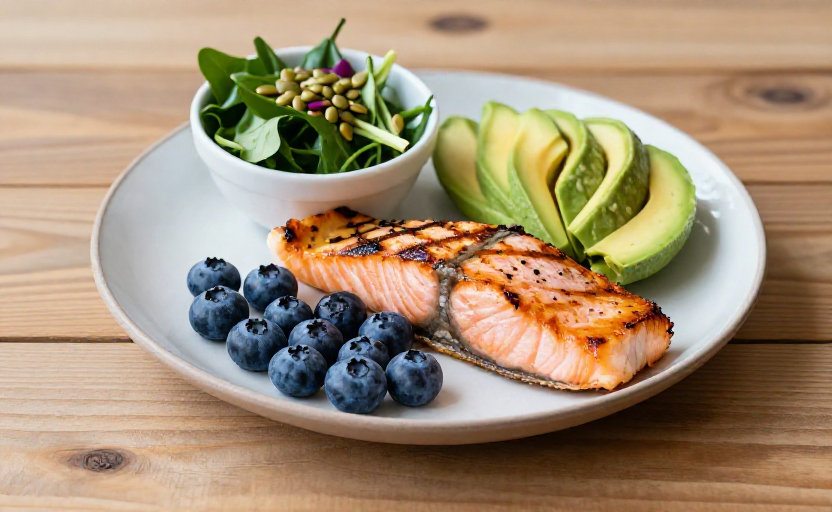
If you're navigating PCOS, you've likely noticed that breakouts don't always respond to the same spot treatments your friends use. That's because the root cause—hormonal imbalance, insulin resistance, and inflammation—calls for a different strategy. Acne in PCOS is often driven by elevated androgens, which increase oil production and clog pores. While no single food is a cure, certain nutrients have been shown to support hormone regulation and calm the skin from the inside out. Here are five foods dietitians consistently recommend for managing PCOS-related acne and improving hormonal balance.
1. Fatty fish: Salmon, sardines, and mackerel
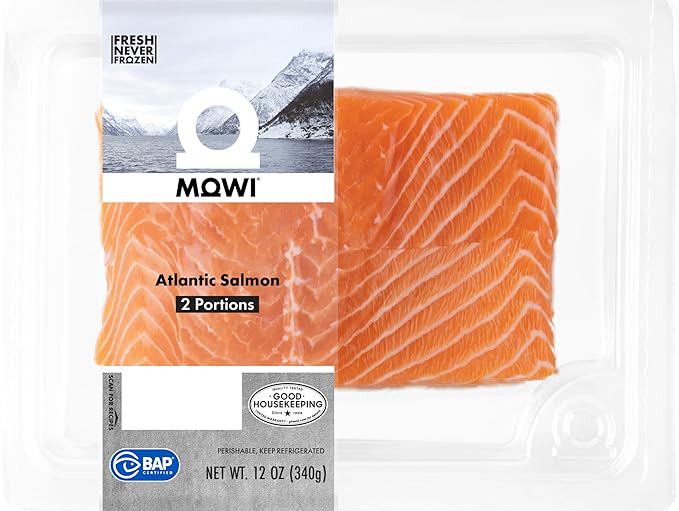
Fatty fish are rich in omega-3 fatty acids EPA and DHA, which are powerful anti-inflammatory compounds. Chronic low-grade inflammation is a hallmark of PCOS and can worsen both insulin resistance and acne. A 2020 study in Nutrients found that women with PCOS who consumed omega-3 supplements for eight weeks showed significant reductions in free testosterone and inflammatory markers like hs-CRP. Whole food sources offer the added benefit of bioavailable vitamin D, which many with PCOS lack. Aim for two 4-ounce servings per week. If you're not a fish eater, a high-quality algal oil supplement can provide DHA/EPA without the fishy taste.
Tip: Pair grilled salmon with leafy greens and a squeeze of lemon—vitamin C helps absorb iron from the greens and adds a dose of skin-supportive antioxidants.
2. Leafy greens: Spinach, kale, and Swiss chard
Dark leafy greens deliver magnesium, a mineral that plays a key role in blood sugar regulation and cortisol management. High cortisol can further stimulate androgen production, creating a vicious cycle for acne. Magnesium also helps improve insulin sensitivity, which directly lowers androgens over time. A 2019 review in Nutrients linked higher magnesium intake with reduced acne severity in adults. Spinach and kale are also rich in vitamin A, which supports skin cell turnover and prevents clogged pores. Try adding a handful to smoothies, omelets, or stir-fries daily.
3. Pumpkin seeds and flaxseeds
Both pumpkin seeds and flaxseeds are concentrated sources of zinc and lignans—two nutrients that target PCOS acne from different angles. Zinc is one of the most studied minerals for acne: it reduces inflammation, inhibits Cutibacterium acnes bacteria, and regulates sebum production. A 2018 meta-analysis in Dermatology found that participants with acne had significantly lower blood zinc levels than controls. Flaxseeds, meanwhile, are rich in lignans that weakly bind to estrogen receptors, helping to modulate hormonal balance. A 2021 pilot study suggested that flaxseed supplementation (30 g/day) lowered testosterone and improved menstrual regularity in women with PCOS. Sprinkle ground flaxseeds on oatmeal or yogurt, and snack on a small handful of pumpkin seeds.
4. Avocado and olive oil
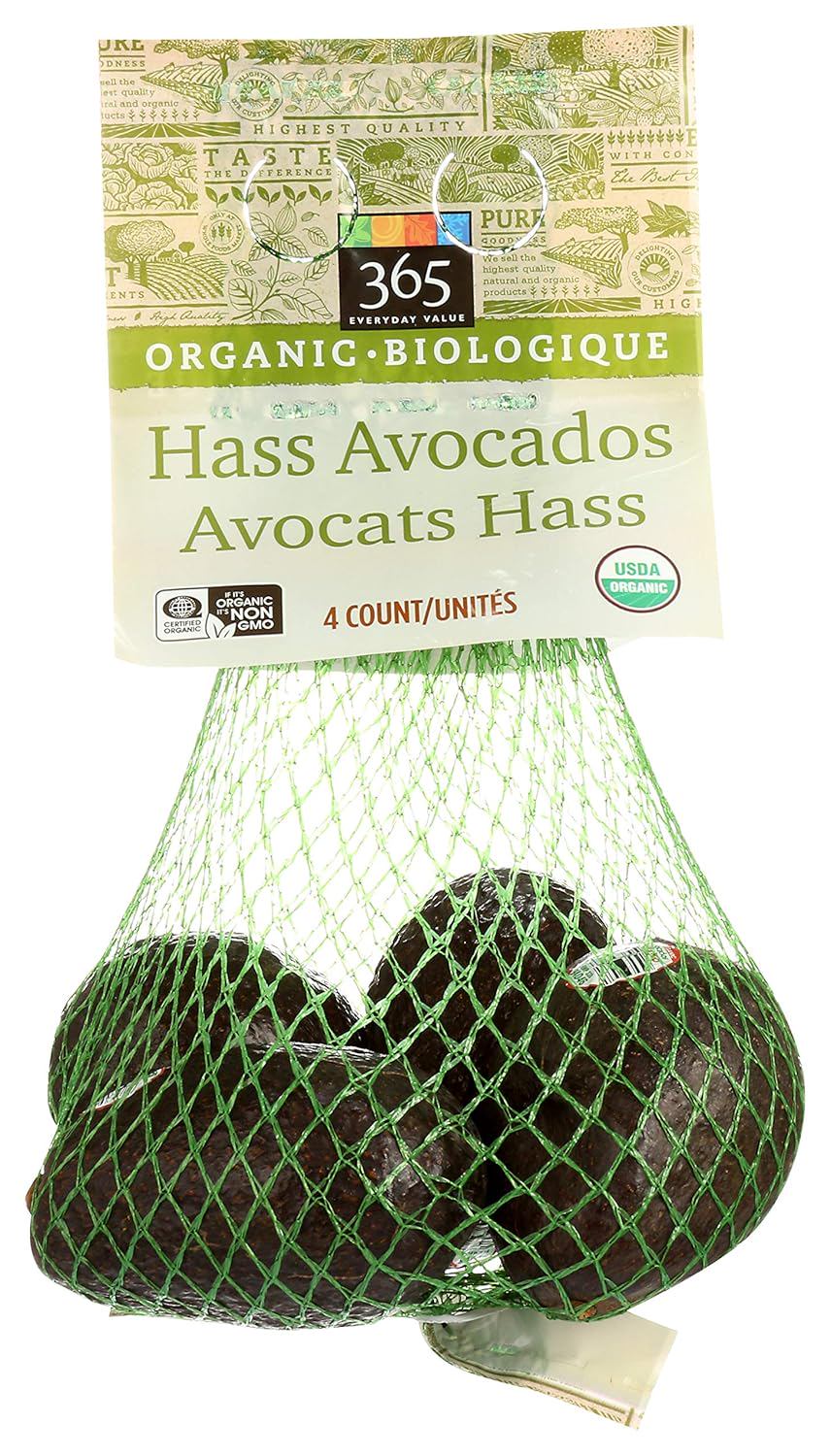
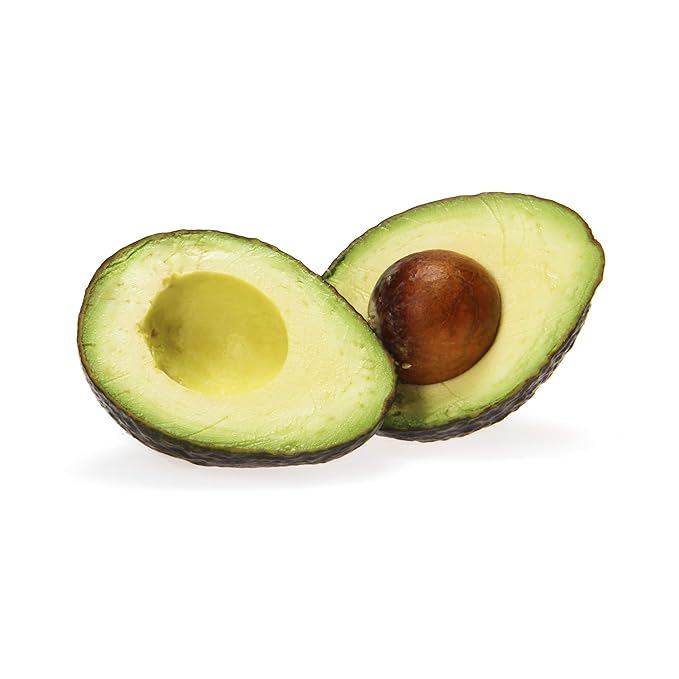
Healthy monounsaturated fats from avocado and olive oil support the absorption of fat-soluble vitamins (A, D, E, K) and provide vitamin E, a skin-protective antioxidant. PCOS is associated with oxidative stress, which can exacerbate acne inflammation. Vitamin E neutralizes free radicals and supports the skin barrier. A 2015 study in Lipids in Health and Disease showed that women with PCOS who followed a diet rich in monounsaturated fats had lower LDL cholesterol and better insulin sensitivity. Use olive oil in salad dressings or for low-heat cooking, and add half an avocado to your lunch bowl for creaminess and satiety.
Quick ideas to include these foods
- Breakfast: Smoothie with spinach, flaxseed, and a spoonful of pumpkin seeds.
- Lunch: Salmon salad with mixed greens, avocado, and olive oil vinaigrette.
- Dinner: Baked mackerel with steamed Swiss chard and a side of roasted pumpkin seeds.
- Snack: Apple slices with a tablespoon of sunflower seed butter (also rich in vitamin E).
5. Berries: Blueberries, strawberries, and blackberries
Berries are low-glycemic fruits with high levels of anthocyanins, flavonoids that reduce inflammation and improve insulin sensitivity. A 2022 study in Food & Function found that women with PCOS who ate 2 servings of berries daily for 12 weeks showed reductions in fasting insulin and C-reactive protein compared to controls. Better insulin control leads to lower androgen levels, directly benefiting hormonal acne. Berries also contain vitamin C, which supports collagen production and wound healing—helpful if you have post-acne marks. Fresh or frozen both work; just watch for added sugars in dried versions.
What about dairy and sugar?
Dietitians often suggest reducing high-glycemic foods (white bread, sugary drinks) and, for some individuals, cow's milk dairy—especially skim milk—which may spike insulin-like growth factor (IGF-1) and worsen acne. These five foods are meant to replace those triggers, not just be added on top. Balanced eating, consistent sleep, and stress management round out the picture. No single food will erase PCOS acne, but a pattern built on omega-3s, zinc, magnesium, fiber, and healthy fats can make a real difference over time.