
You take your pill every morning (or maybe at night, depending on your doctor's advice). You feel fine—no dizziness, no strange side effects. But a quiet question lingers: Is this blood pressure drug actually doing its job? It's a fair concern. Unlike a painkiller that stops a headache within an hour, blood pressure medication works behind the scenes, often without any immediate sensation.
The only way to know for certain involves more than just hoping you feel okay. High blood pressure, after all, is famous for being a silent condition. Even if your numbers are dropping nicely, you might not perceive a difference in your daily energy or mood. That's why relying on expert-backed, objective methods—not just intuition—is essential. Below are five clear ways to confirm whether your treatment plan is on track, grounded in standard medical guidance and real-world monitoring strategies.
1. Track Your Home Blood Pressure Readings Consistently
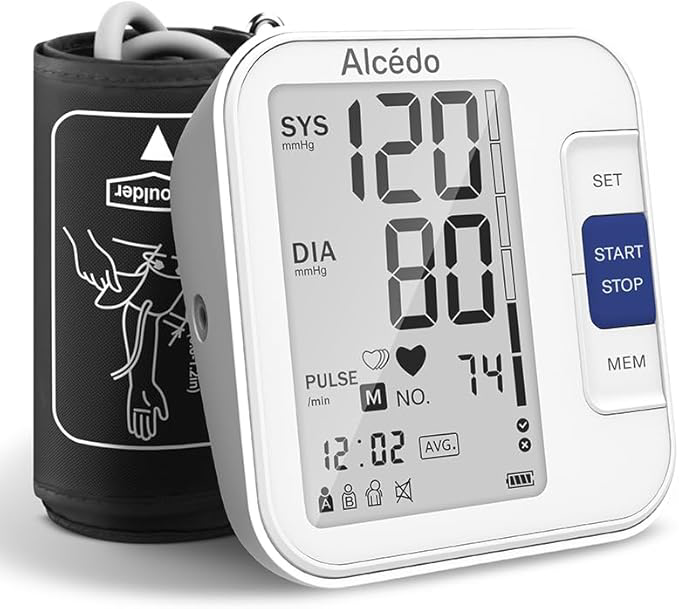
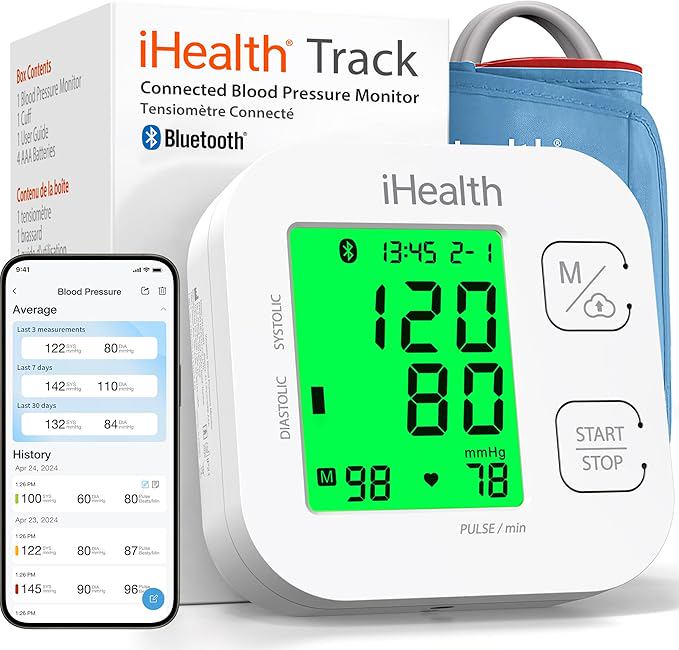
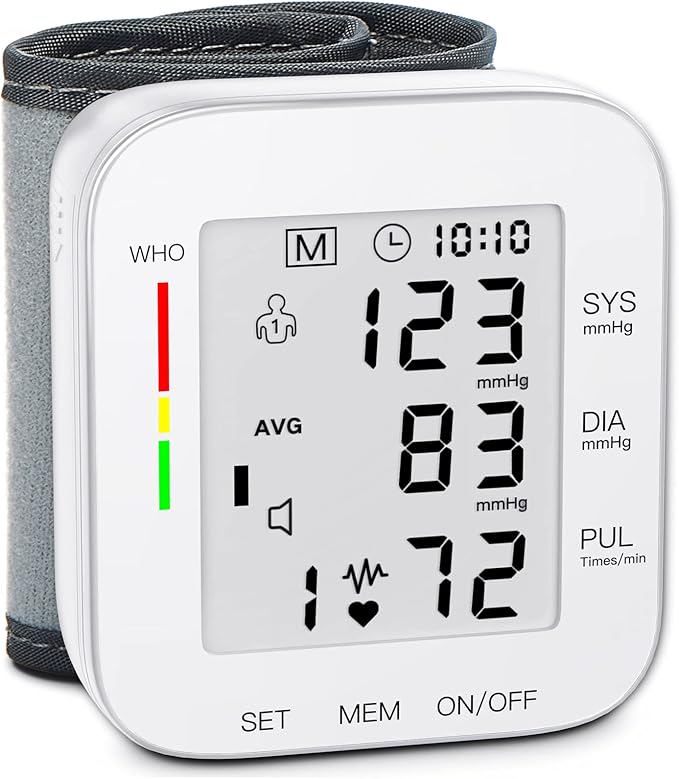
The single most direct way to tell if your medication is working is to measure your blood pressure at home with a validated monitor. A reading taken in a clinic can be skewed by “white-coat hypertension” (anxiety-induced spikes) or, conversely, by the calm of sitting in a waiting room for 20 minutes. Home readings give you a more realistic baseline of your daily numbers.
To do this effectively, follow a consistent routine: measure at the same time each day—ideally in the morning before taking your medication and again in the evening. Use a cuff that fits your upper arm properly, sit quietly for five minutes beforehand, and keep your feet flat on the floor. Your care team is typically looking for a sustained average below 130/80 mmHg, though your specific target may differ based on age and other health factors. If your numbers consistently trend downward over several weeks, your drug is likely doing its job.
Quick tip: bring a log of your home readings—not just the last few—to your next appointment. Patterns matter more than any single number.
2. Note Consistent Patterns in Your Follow-Up Appointments
Home monitoring is valuable, but it works best alongside periodic office checks. Your physician will compare your in-office readings from before you started the medication with your current numbers. A clear reduction—even if it’s modest—indicates the drug is taking effect. It’s common for your doctor to adjust the dose or add a second agent over the first few months to dial in the right level of control.
Pay attention to the trend across appointments, not just one visit. Blood pressure naturally fluctuates due to stress, sleep, or even the weather. What your doctor wants to see is a downward trajectory over weeks or months. If two or three consecutive follow-up visits show readings lower than your baseline, that’s a strong signal your regimen is working.
3. Check for Headaches, Nosebleeds, or Shortness of Breath (Or the Lack Thereof)
While high blood pressure is often asymptomatic, some people do experience subtle warning signs when their numbers spike dangerously high. These can include persistent morning headaches, unexplained nosebleeds, a feeling of “pounding” in the chest or neck, or becoming winded more easily than usual. If you used to experience any of these symptoms before treatment and they have since decreased or disappeared, your medication is very likely bringing your pressure under control.
That said, do not rely on symptoms alone. Many people with hypertension feel perfectly fine even with dangerously elevated readings. The absence of symptoms does not mean your blood pressure is normalized. Think of symptom relief as a “bonus signal” only when combined with objective measurement.
4. Watch for Medication Side Effects (They Can Be a Clue)
This might sound counterintuitive, but experiencing a side effect can indirectly confirm that the drug is biologically active in your system. Common ones include mild dizziness upon standing (from beta-blockers or diuretics), a persistent dry cough (from ACE inhibitors), or swollen ankles (from calcium channel blockers). If you notice a side effect, it means the medication is altering your physiology—which is exactly what it is designed to do.
However, never tolerate a severe or unsafe side effect. Report anything that interferes with your quality of life—chest tightness, severe fatigue, rash, or rapid weight gain from fluid retention. Your doctor may be able to adjust the dose, switch to a different class of drug, or add a complementary medication to manage the side effect while keeping your pressure controlled.
5. Assess Your Lab Results and Kidney Function Markers
Blood pressure medications don’t just lower a number; they protect your organs. Your doctor should be monitoring your kidney function (through creatinine and eGFR tests), electrolyte levels (sodium, potassium), and sometimes a urine albumin test. If those labs remain stable or improve, your medication is doing more than just working on the cuff—it’s preserving the health of your kidneys, which are especially vulnerable to hypertensive damage.
Similarly, if you have diabetes or heart disease, your doctor may track HbA1c or cholesterol levels alongside your blood pressure. Effective blood pressure control reduces strain on the arterial walls, which helps keep these other markers in a safer range over time.
Ultimately, confirming that your blood pressure drug is working is a team effort between you and your healthcare provider. Home monitoring gives you real-time feedback, office visits validate the trajectory, symptom relief provides reassurance, side effects confirm the drug is active, and lab results show the deeper protective effects. If you ever suspect your medication is not working—perhaps your readings remain high after a month, or you feel unusual symptoms—call your doctor sooner rather than later. Adjusting a medication is routine and safe; leaving uncontrolled hypertension unattended is not.