
Receiving a diagnosis of heart failure changes life in an instant. While the condition requires careful medical management, it does not mean the end of a fulfilling, active life. In fact, a growing body of cardiology research shows that targeted daily habits can significantly improve symptoms, energy levels, and quality of life.
The goal here is not to reverse the condition—heart failure is a chronic disease that needs ongoing treatment—but to build a lifestyle that supports your heart's function, reduces strain, and helps you feel better day-to-day. Below are five expert-backed strategies that cardiologists and cardiac rehabilitation specialists consistently recommend to people living with heart failure.
1. Master the art of daily sodium awareness
If there is one dietary change that has the most immediate impact on heart failure symptoms, it is controlling sodium intake. When you consume too much salt, your body holds onto extra fluid. For a heart that is already struggling to pump efficiently, this fluid buildup can lead to swelling (edema), shortness of breath, and rapid weight gain.
Most adults with heart failure are advised to stay under 1,500 to 2,000 milligrams of sodium per day—roughly the amount in a single teaspoon of salt. This is far less than the average American diet, which often clocks in at over 3,400 mg daily.
Practical steps include cooking from scratch using herbs, citrus, and salt-free seasoning blends; always reading nutrition labels for hidden sodium in bread, canned vegetables, and deli meats; and asking for sauces and dressings on the side when dining out. It also pays to be aware of “low-fat” processed foods, which often compensate for flavor with added sodium.
2. Adopt a fluid management routine
Fluid management is not about avoiding water—it is about working with your healthcare team to find the right balance. For some people with heart failure, especially those on diuretics (water pills), drinking too much fluid can overwhelm the heart, leading to congestion. For others, especially in hot weather or during illness, getting enough fluid is crucial.
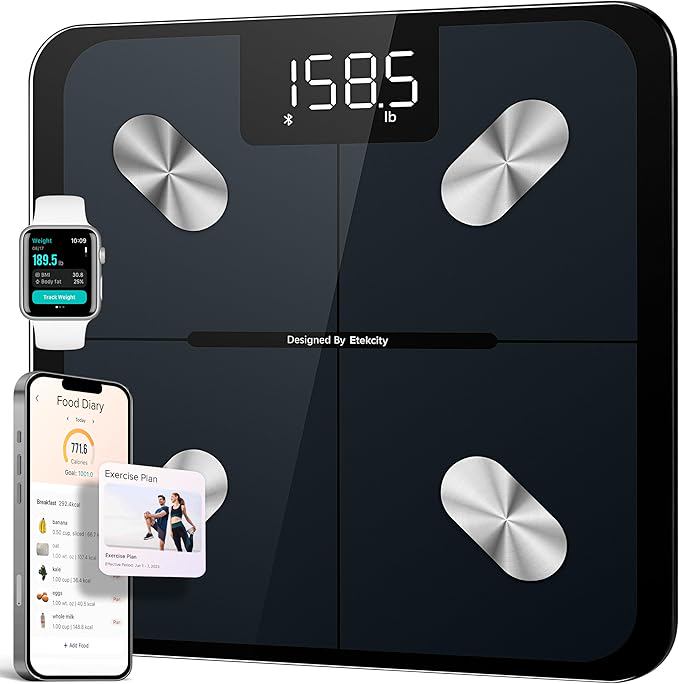
Your doctor may recommend a daily fluid limit, often between 1.5 and 2 liters (roughly 6 to 8 cups) total, including all beverages, soup, and even the water content in fruits like melon or oranges. A simple practice is to measure your intake using a marked pitcher each morning. Weighing yourself every day at the same time—after urinating but before eating—is another non-negotiable habit: a gain of 2–3 pounds in 24 hours or 5 pounds in a week is an early warning sign of fluid retention that warrants a call to your cardiologist.
The daily weigh-in is not about vanity—it is your earliest, most objective signal that your body is retaining fluid. Act on it before shortness of breath worsens.
3. Move in short, consistent intervals
Exercise used to be forbidden for heart failure patients, but the science has shifted dramatically. Today, supervised cardiac rehabilitation and home-based movement are standard recommendations. The key is to avoid prolonged exertion and instead break activity into small, manageable sessions.
Walking is the most accessible starting point. Begin with five minutes at a conversational pace, twice a day. If that feels comfortable, add one minute per session each week. Light resistance training using elastic bands or light dumbbells helps maintain muscle mass, which is crucial because muscle loss (sarcopenia) accelerates fatigue in heart failure. Always warm up slowly and cool down gently—never stop abruptly, as sudden drops in blood pressure can cause dizziness.
If you experience chest pain, severe shortness of breath, or a racing heart that does not settle within a few minutes of rest, stop and consult your doctor before resuming.
4. Structure your day for rest and energy conservation
Fatigue is one of the most common—and most frustrating—symptoms of heart failure. It happens partly because the heart cannot deliver enough oxygen-rich blood to your muscles and brain. Pushing through fatigue with sheer willpower rarely works and can actually worsen your condition.
Instead, learn the skill of pacing. This means alternating periods of activity with planned rest breaks before you feel exhausted. For example, if you plan to prepare a meal, sit on a stool at the counter rather than standing for 20 minutes. Break household chores into 10-minute blocks with a rest in between. Many people benefit from a short (20- to 30-minute) afternoon rest period, lying down with legs elevated to help blood return to the heart.
Sleep quality is equally vital. Elevate the head of your bed by placing blocks under the legs at the headboard or using a wedge pillow—this reduces fluid pooling in the lungs overnight and eases breathing. If you wake up gasping for air (a condition called paroxysmal nocturnal dyspnea), report this to your healthcare team promptly.
5. Build a symptom-monitoring system you actually use
Living well with heart failure requires a shift from passive patient to active manager of your own health. The most effective tool is a simple log. Use a notebook, a spreadsheet, or a dedicated app to track three things daily:
- Morning weight (after urinating, before eating, in minimal clothing)
- Symptoms—rate your shortness of breath, fatigue, and swelling on a 1-to-10 scale
- Medication adherence—check off each dose as you take it
Bring this log to every doctor's appointment. Patterns that feel fuzzy in your memory become crystal clear on paper: “I notice every time I have a high-sodium meal, I gain 2 pounds overnight and feel more winded the next day.” This allows your cardiologist to adjust medications or advice proactively, rather than reacting after a hospitalization.
Another vital piece is having a written action plan. Know exactly which symptoms (such as a persistent cough, sudden weight gain of 3+ pounds in a day, or chest tightness) mean you should call your doctor, and which ones (fainting, severe chest pain, difficulty speaking) are emergencies requiring 911.
Heart failure is a demanding condition, but it is also one that responds beautifully to consistent, thoughtful daily habits. These five lifestyle changes are not about perfection—they are about building a framework that lets you enjoy more good days than bad ones. Work closely with your healthcare team, lean on your support network, and treat each small victory as the evidence that your efforts matter.