Your eyes are windows to more than your soul—they can also reveal early warning signs of damage from high blood sugar. Diabetic retinopathy is the leading cause of vision loss among working-age adults, yet its earliest stages often slip by without noticeable trouble. The challenge is that once vision declines, some changes can be permanent.
Knowing the first subtle signals gives you a real advantage. Here are five early symptoms that demand prompt attention, not a wait-and-see approach.
1. Gradual blurring that comes and goes
You might notice that your vision sharpens and blurs throughout the day, like a camera refocusing on its own. This intermittent blur, especially when reading or looking at screens, can be an early sign that fluid is leaking into the macula—the central part of your retina responsible for sharp, straight-ahead vision. If your glasses prescription seems to change frequently, that is another clue that something deeper might be at work. Get an eye exam rather than just swapping lenses.
2. Floating spots or dark strings in your field of view
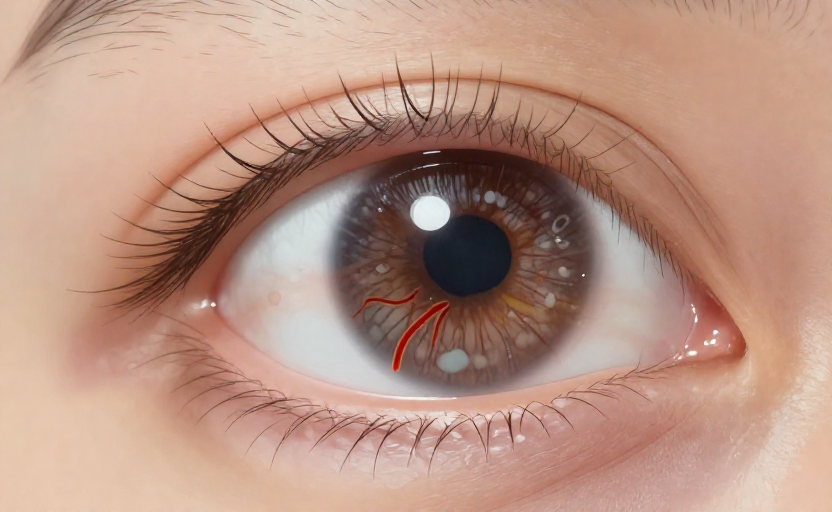
Nearly everyone sees occasional floaters, but a sudden increase in spots, cobwebs, or dark threads is a red flag. In early diabetic retinopathy, tiny blood vessels in the retina can leak small amounts of blood into the vitreous gel that fills your eye. Those blood cells cast shadows that you perceive as floaters. If you notice a shower of new floaters or a large persistent one, do not delay—this can signal active bleeding that requires urgent evaluation.
3. Trouble seeing well at night
Driving after sunset becomes tricky when streetlights seem dimmer than they used to, or when adjusting from brightness to darkness takes noticeably longer. This difficulty with night vision and darkness adaptation can be an early clue that the light-sensing cells in your retina are not getting the oxygen and nutrients they need due to damaged capillaries. If your night vision has gradually worsened, schedule a comprehensive dilated eye exam rather than assuming it is just aging.
4. Colors look faded or washed out
A peculiar early symptom is that colors lose their richness—the grass looks less green, a red stop sign seems muted, or you find yourself turning up the contrast on your television. This happens when the macula becomes slightly swollen from leaking fluid. Color perception is one of the most sensitive functions of the retina, and subtle changes often appear before a person notices blurring. If friends ask if you are wearing sunglasses when you are not, take it seriously.
5. Blank spots in your side vision
Peripheral vision changes can be tricky to detect because your brain is good at filling in gaps. You may start bumping into door frames or missing objects placed at the edge of your sight. Look for this by covering one eye and focusing straight ahead—do you see a complete, continuous field, or is there a patchy shadow? These scotomas, or blind spots, suggest that areas of the retina have become damaged from poor blood supply. That is a strong sign that the disease has progressed beyond the earliest stage.
Why early detection changes the outcome
Here is the encouraging news: diabetic retinopathy is treatable, especially when caught early. The early stage, called nonproliferative diabetic retinopathy, often responds well to better blood sugar control, blood pressure management, and regular monitoring. Once the condition advances to the proliferative stage—where new, fragile blood vessels grow—treatments become more intensive.
The American Diabetes Association recommends that people with type 2 diabetes have a dilated eye exam soon after diagnosis, and those with type 1 diabetes get one within five years of diagnosis. After that, annual exams are standard, though your eye doctor may suggest more frequent checks if any signs appear.
Think of regular dilated eye exams as an investment in your long-term vision—the roughly 20-minute appointment is far less inconvenient than dealing with preventable vision loss.
What to do if you notice any of these symptoms
First, do not panic. A single symptom does not automatically mean you have advanced retinopathy, but it does mean you should act promptly. Schedule an appointment with an optometrist or ophthalmologist who performs dilated retinal exams. Write down exactly what you are experiencing—when it started, how often it happens, and whether it affects one eye or both.
In the meantime, review your diabetes management basics: consistent blood glucose monitoring, adhering to your medication plan, controlling blood pressure, and staying active. These measures help stabilize the underlying conditions that contribute to retinal damage.
When to seek emergency care
If you experience sudden vision loss, a curtain-like shadow over part of your vision, or a rapid increase in floaters accompanied by flashes of light, go to an emergency room or urgent eye care center immediately. Those signs could indicate a retinal detachment or significant vitreous hemorrhage—both require same-day treatment.
Taking eye symptoms seriously is not about being alarmist. It is about recognizing that your eyes give you early, visible feedback about your overall vascular health. By responding to these five warning signs promptly, you give yourself the best chance to preserve your vision for the long haul.