
You know the feeling: you finally get into bed, the lights go out, and your brain decides it's the perfect time to replay every awkward conversation from the past three years, worry about tomorrow's deadline, and calculate exactly how many hours of sleep you'll get if you fall asleep right now. That sudden surge of nighttime anxiety often feels random, but it's rarely a mystery. More often than not, it's the result of small, seemingly harmless daily habits that quietly build a charge all day long — only to release it when you're trying to rest.
The good news is that understanding which habits feed that loop gives you a real chance to break it. And yes, a couple of foods can actually help calm the nervous system before bed. Here's what's likely keeping your mind racing — and what to eat instead.
The afternoon caffeine trap that lasts until midnight
Caffeine has a half-life of roughly five to six hours, which means that 3 p.m. latte is still half-active in your system at 9 p.m. For people who metabolize caffeine slowly — and about half the population does — that afternoon pick-me-up can turn into a full-blown insomnia amplifier. Even if you fall asleep, caffeine fragments deep sleep and increases nighttime awakenings, making your mind more prone to anxious rumination when it stirs.
If you struggle with nighttime anxiety, consider cutting off all caffeine by noon — and that includes tea, soda, and dark chocolate. You might be surprised by how much calmer your mind feels by bedtime.
Scrolling in the dark — the blue light anxiety loop
Checking Instagram, email, or the news in bed does two things: it exposes your eyes to blue light that suppresses melatonin production, and it keeps your brain in a state of active processing. Social media and news feeds are designed to trigger emotional reactions — often worry, comparison, or outrage — which primes your nervous system for fight-or-flight mode right when you need to shift into rest-and-digest.
Try a simple swap: replace your phone with a book (paper, not a backlit screen) for the last 30 minutes before sleep. If you need a screen, use a blue-light filter and dim the brightness to the lowest possible setting.
Bottling emotions up all day
Many people push through stress at work, avoid difficult conversations, or tell themselves they'll process feelings later. But the brain doesn't forget. Unprocessed emotions accumulate like a debt that comes due at bedtime, when there are no more distractions. This is why you may feel fine all day, then suddenly overwhelmed with worry or sadness when you lie down.
Build a small "emotional download" into your evening routine — five minutes of journaling, talking to a partner, or even just naming what you're feeling out loud. Giving those feelings a container earlier in the evening can keep them from spilling into your sleep.
Skipping dinner or eating too close to bed
Going to bed hungry can cause blood sugar to drop overnight, triggering a stress hormone (cortisol) surge that wakes you up or makes your sleep light and anxious. On the flip side, eating a large meal right before sleep forces your digestive system to work overtime, which can disrupt sleep and increase acid reflux — both of which can be misinterpreted by the brain as a threat, generating anxiety.
Aim to finish your last substantial meal at least two to three hours before bed. If you need a small snack closer to bedtime, choose something light that supports stable blood sugar and relaxation.
A bedroom that signals "alert" instead of "asleep"
Your environment constantly sends cues to your brain. If your bedroom is cluttered, bright, warm, or filled with work-related items, it subtly signals that it's not a safe space for sleep. Even a phone charging on the nightstand can be a subconscious reminder of unfinished tasks and social obligations — enough to keep the mind in a low-level anxious state.
Create a sensory sleep sanctuary: keep the room cool (65–68°F is ideal), dark (blackout curtains or a sleep mask), and quiet. Remove anything that reminds you of work or stress. Your brain will start associating the bedroom with relaxation, not rumination.
Two foods that help break the cycle
While no single food is a cure for anxiety, two nutrients have solid research behind them for promoting calm and better sleep. Adding them to your evening routine can help shift your nervous system toward rest.
1. Tart cherries or pure tart cherry juice
Tart cherries are one of the few natural food sources of melatonin, the hormone that regulates sleep-wake cycles. Studies have shown that drinking tart cherry juice can increase sleep time and quality. They also contain anti-inflammatory compounds that may help lower stress-related inflammation. A small glass of unsweetened tart cherry juice about 30–60 minutes before bed — or a handful of dried tart cherries — can be a simple, effective addition.
2. Magnesium-rich foods (especially pumpkin seeds, almonds, or spinach)
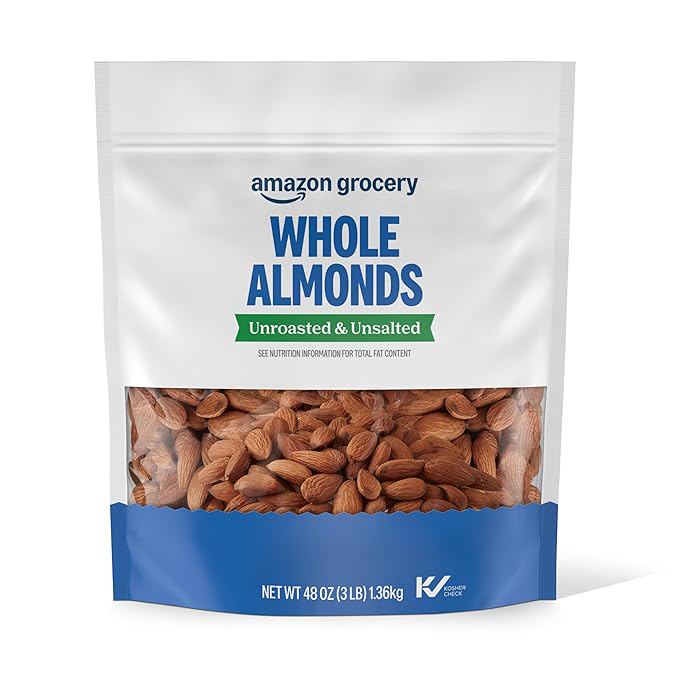
Magnesium plays a key role in calming the nervous system by regulating the GABA receptor — the brain's primary inhibitory neurotransmitter. Low magnesium levels are linked to higher stress, muscle tension, and poorer sleep quality. A small evening snack that combines magnesium and healthy protein, like a handful of almonds or pumpkin seeds, can help relax both your muscles and your mind. Avoid magnesium supplements unless recommended by a healthcare provider; food sources are safer and better absorbed.
A quick caveat: If nighttime anxiety is severe, persistent, or interfering with your daily life, it's worth discussing with a healthcare provider. These habits and foods can help, but they aren't a substitute for professional support when needed.