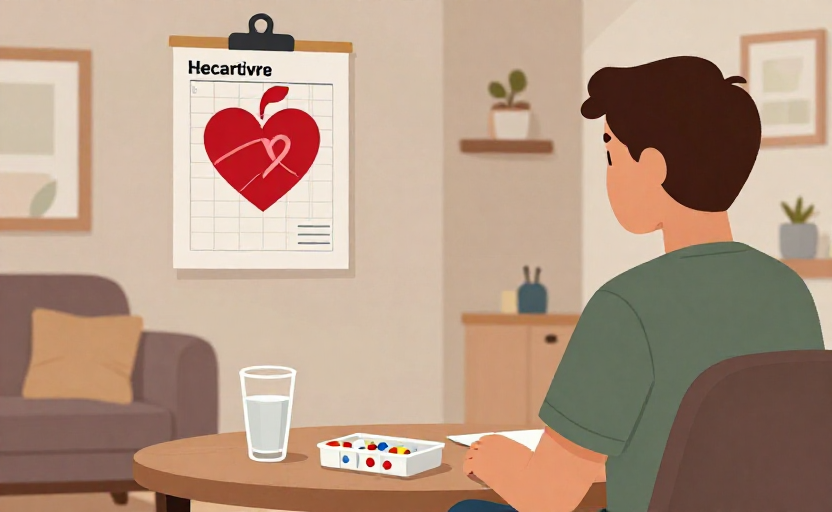
Recovering from a heart attack is a marathon, not a sprint. It requires patience, discipline, and a clear understanding of what your body needs. In my years covering cardiac wellness, I've seen many people inadvertently slow their own progress by falling into predictable traps. These aren't about a lack of willpower—they're about a lack of the right information. Let's walk through the five most common mistakes that can derail your recovery, so you can stay on the path toward a stronger, healthier heart.
Mistake #1: Skipping Cardiac Rehabilitation
One of the biggest setbacks I see is people completing their hospital stay and then thinking they can handle the rest on their own. Cardiac rehab is not optional—it's a medically supervised program that combines exercise, education, and emotional support. It's designed to help you regain strength safely while teaching you how to manage your specific risk factors.
If you skip it, you miss out on a structured, monitored environment where professionals can spot warning signs you might miss. Studies consistently show that people who attend cardiac rehab have significantly lower rates of future heart attacks. Don't let pride or busyness keep you away. Ask your cardiologist for a referral before you leave the hospital.
Mistake #2: Ignoring Emotional and Mental Health
Many people focus entirely on diet and exercise, but the emotional aftermath of a heart attack is just as critical. Depression, anxiety, and post-traumatic stress are common after a cardiac event. These aren't just feelings—they have a real physiological impact. Chronic stress raises cortisol and blood pressure, which can strain your healing heart.
I've spoken with patients who thought they were fine, only to find their recovery stalling because they weren't addressing underlying fear or sadness. Talking to a therapist, joining a support group, or even practicing simple breathing exercises can make a measurable difference. It's not weak to need help—it's smart medicine.
Mistake #3: Returning to Work or Activity Too Quickly
The drive to get back to normal is powerful, but rushing it is one of the most common mistakes. Your heart needs time to heal internally, even if you feel okay on the outside. Jumping back into a high-stress job, heavy lifting, or intense exercise before your doctor gives the all-clear can trigger complications or a second event.
Your healthcare team will give you specific guidelines for activity levels based on your ejection fraction and overall condition. Follow them. I always tell people: it's far better to take an extra week of rest now than to end up back in the hospital for months. Listen to your body, and if something feels off, stop and check in with your doctor.
Mistake #4: Neglecting Medication Adherence
It's easy to feel like once you're home and feeling better, you can ease up on the pills. This is a dangerous error. Medications after a heart attack—like beta-blockers, ACE inhibitors, statins, and antiplatelet drugs—are specifically chosen to stabilize your heart, lower blood pressure, and prevent clot formation. They are not optional.
If side effects bother you, don't just stop taking them. Talk to your cardiologist. There are often alternatives or dose adjustments that can help. Skipping doses, even for a few days, can dramatically increase your risk of a second heart attack. Use a pill organizer, set alarms, or have a family member help you stay on track.
Mistake #5: Falling for Fad Diets or Ignoring Nutrition Completely
After a heart attack, your diet matters more than ever. But I see two extremes that both cause harm. One is people who go on extreme juice cleanses, keto, or other restrictive fads without medical guidance—which can deprive your body of essential nutrients and electrolytes. The other is people who make no changes at all, figuring they'll just take their pills and be fine.
What actually works is a balanced, heart-healthy pattern: plenty of vegetables, whole grains, lean proteins like fish and poultry, and healthy fats from sources like olive oil and nuts. Limit sodium, added sugars, and saturated fats. If you're unsure where to start, ask for a referral to a registered dietitian who specializes in cardiac nutrition. Small, consistent changes beat dramatic overhauls every time.
Recovery is a process with many moving parts. If you avoid these mistakes and stay closely connected with your healthcare team, you dramatically improve your chances of a full and lasting recovery. Be patient with yourself, lean on your support network, and celebrate the small victories along the way.