
Most people assume they know how to protect themselves from sexually transmitted infections. You use a condom with a new partner, you get tested regularly, and you think you are playing it safe. Yet, STI rates continue to climb, and many new infections come from people who thought they were doing everything right. The truth is that several everyday habits—things that seem completely unrelated to sex—can quietly increase your vulnerability to infections. Here are five common behaviors that may be raising your STI risk without you noticing.
1. Sharing razors or grooming too aggressively
Shaving or waxing the pubic area is a personal preference, but how you groom matters for infection risk. Any micro-abrasion, nick, or razor burn creates a small break in the skin. Those tiny cuts are an open door for viruses and bacteria that cause STIs, including herpes and human papillomavirus (HPV). Sharing razors is even riskier because blood-borne pathogens like hepatitis B and C can transfer easily. If you choose to groom, use a clean, sharp razor every time and never share it. Let the skin heal fully before any sexual activity.
2. Relying on condoms alone without checking how you store them
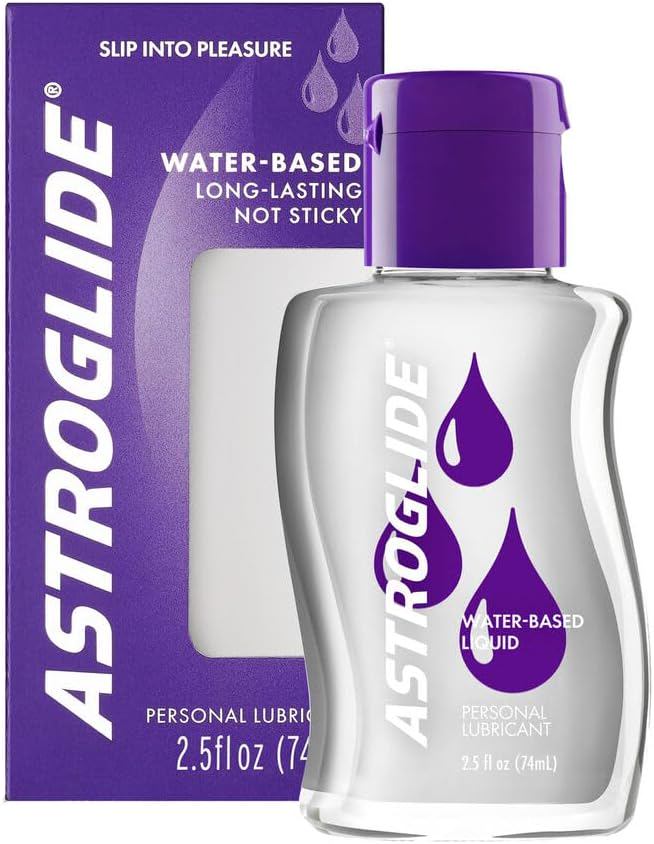
Condoms are highly effective when used correctly, but they are also surprisingly fragile. Keeping them in a wallet, glove compartment, or a hot bathroom degrades the latex over time. Heat, friction, and age cause microscopic tears that may not be visible but can allow fluids and pathogens to pass. A condom that has been in your back pocket for weeks is not reliable. Store condoms in a cool, dry place and check the expiration date before use. For maximum protection, use a water-based or silicone-based lubricant to reduce friction that can cause breakage.
3. Not talking about sexual history with new partners before intimacy
Many people avoid the conversation about STI testing because it feels awkward or kills the mood. But not knowing a partner's status is a direct risk factor for infection. Even if someone has no symptoms, they could be carrying an STI. The habit of skipping this talk often comes from the assumption that if a partner seems healthy, they are safe. That assumption is false. Set a standard for yourself: before any sexual activity, have an open conversation about when each of you was last tested and what the results were. If that feels uncomfortable, start by sharing your own status first.
Short tip: Turn the conversation into a shared act of care. Saying "I really care about us both staying healthy" sets a tone of respect rather than suspicion.
4. Using alcohol or drugs before sex, even occasionally
Substance use lowers inhibitions and impairs judgment—this is well known. What is less discussed is how even one drink or a single use of a recreational drug can lead to decisions you might not make while sober. People who use alcohol or drugs before sex are significantly more likely to skip condoms, have sex with someone whose history they do not know, or engage in higher-risk acts like unprotected anal sex. The risk is not just about addiction or heavy use; it is about the immediate effect on decision-making. If you plan to be sexually active, keep substance use separate from your intimate encounters to stay in control of your choices.
5. Assuming oral sex is risk-free
This is one of the most persistent misconceptions in sexual health. Many people believe that STIs only transmit through vaginal or anal intercourse, so they do not use protection during oral sex. That belief is dangerous. Infections including herpes, gonorrhea, syphilis, chlamydia, and HPV can all be transmitted orally. A cold sore on the mouth can cause genital herpes, and oral chlamydia or gonorrhea often goes unnoticed because symptoms may be mild or absent. Using a condom or dental dam during oral sex reduces this risk dramatically. Never assume that any sexual act is automatically safe.
Reducing your STI risk is about more than just remembering a condom. It involves how you treat your skin, how you store your protection, how you communicate with partners, and what you do before and during intimacy. Small changes in these everyday habits can make a real difference in your long-term sexual health.