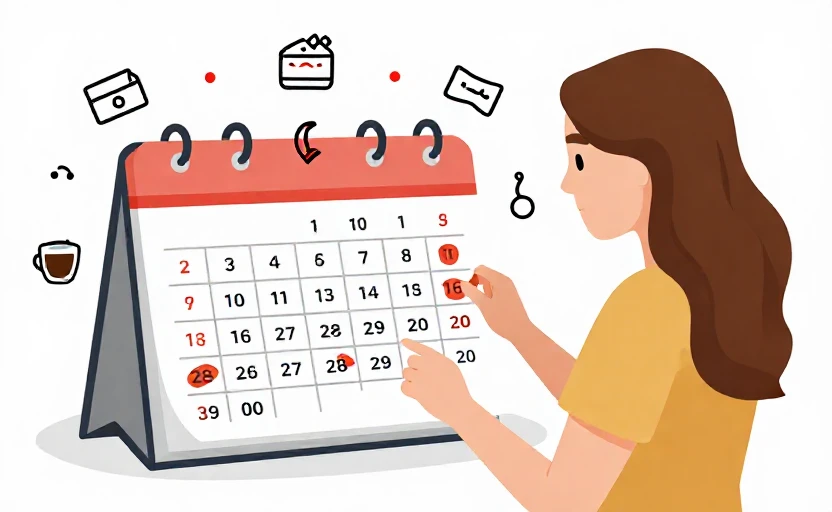
Your menstrual cycle is more than just a calendar event; it's a vital sign, a monthly report card from your body. When it's regular, you might not give it a second thought. But when it becomes unpredictable—arriving early, late, or with a different intensity—it can be a source of significant stress and confusion. Often, the culprit isn't a medical condition, but the subtle, cumulative impact of your daily habits.
Understanding how your lifestyle interacts with the delicate hormonal balance governing your cycle is the first step toward reclaiming its rhythm. Let's explore five common habits that can quietly throw your cycle off course and the practical, supportive changes you can make to help it find its natural flow again.
How does stress affect your period?
When you're under chronic stress, your body prioritizes survival over reproduction. It does this by shifting hormone production. Your adrenal glands, which normally help you manage stress by producing cortisol, may start borrowing resources from the pathway that creates progesterone, a key hormone for regulating the second half of your cycle and maintaining a uterine lining.
This “progesterone steal” can lead to a shorter luteal phase (the time between ovulation and your period), lighter or heavier bleeding, or even skipped periods as ovulation is delayed or suppressed. It’s your body’s way of saying, “This is not an ideal time for a pregnancy.”
Think of stress management not as a luxury, but as a non-negotiable part of cycle care.
Changing this habit isn't about eliminating stress—that's impossible—but about changing your relationship with it. Consistent, small practices are more effective than occasional deep dives. A daily 10-minute walk outside, five minutes of focused breathing before bed, or even scheduling short breaks to simply stare out the window can signal safety to your nervous system. The goal is to create regular moments of pause, which over time can help recalibrate your stress response and support hormonal balance.
Can your diet disrupt your cycle?
What you eat provides the raw materials for your hormones. Insufficient or imbalanced nutrition can directly impact cycle regularity. Two common dietary patterns are particularly influential.
First, under-eating or restrictive dieting. When your body isn't getting enough energy (calories) or key nutrients, it may downregulate non-essential functions to conserve resources—and reproduction is often first on the list. This can lead to hypothalamic amenorrhea, where the brain's signal to the ovaries is paused, resulting in absent periods.
Second, blood sugar swings. Consuming large amounts of refined sugars and carbohydrates causes rapid spikes and crashes in blood glucose. This rollercoaster triggers the release of insulin and stress hormones like cortisol, which can disrupt the finely tuned communication between your brain and ovaries, potentially affecting ovulation.
To support your cycle, focus on consistent, nourishing meals. Prioritize:
- Complex carbohydrates: Like whole grains, oats, and sweet potatoes, which provide steady energy.
- Healthy fats: Found in avocados, nuts, seeds, and olive oil, crucial for hormone production.
- Quality protein: At each meal, from sources like legumes, fish, eggs, and lean meats, to stabilize blood sugar.
- Iron-rich foods: Such as spinach, lentils, and red meat (if consumed), to replenish what is lost during menstruation.
How does sleep influence menstrual health?
Sleep is when your body performs essential repair and regulatory work, including much of its hormonal housekeeping. Disrupted or insufficient sleep can interfere with the production of melatonin (which helps protect egg quality) and increase cortisol levels. It also disrupts the circadian rhythm, which helps govern the timing of hormone release.
Chronic poor sleep is linked to longer, more irregular cycles and increased menstrual pain. It’s a form of low-grade, constant stress on the system.
Improving sleep hygiene is key. Try to establish a consistent bedtime and wake-up time, even on weekends. Create a wind-down ritual an hour before bed: dim the lights, put away screens, and perhaps read a book or listen to calming music. Keep your bedroom cool, dark, and quiet. These signals help tell your body it's time to shift into restorative mode, supporting the hormonal rhythms that guide your cycle.
Does exercise help or hurt your cycle?
Movement is profoundly beneficial for hormonal health—it can improve insulin sensitivity, boost mood, and reduce stress. However, there's a tipping point. Excessive, high-intensity exercise without adequate fuel and recovery can act as a major physical stressor.
When exercise volume significantly outpaces nutritional intake and rest, the body may respond similarly to how it responds to dieting or emotional stress: by slowing or shutting down reproductive function to conserve energy. This is common among athletes but can affect anyone with an intense fitness regimen.
The change here is about balance and listening to your body. Incorporate rest days. Include lower-intensity movement like walking, yoga, or gentle stretching alongside more vigorous workouts. Most importantly, ensure you are eating enough to support your activity level. If your period has disappeared and you are very active, scaling back intensity and increasing nourishing food intake are often the first steps to recovery.
How do caffeine and alcohol play a role?
These common consumables can be subtle disruptors. Caffeine is a stimulant that can increase cortisol production and may exacerbate anxiety or sleep issues, indirectly affecting hormonal balance. For some, it can also worsen menstrual cramps by contributing to vasoconstriction.
Alcohol is processed by the liver, the same organ responsible for metabolizing and excreating excess estrogen. When the liver is busy processing alcohol, it may not clear estrogen as efficiently, potentially leading to a buildup that can disrupt the estrogen-progesterone balance crucial for a regular cycle.
This doesn't necessitate complete elimination for everyone, but mindful moderation can help. Notice how these substances affect you personally. Try limiting caffeine to the morning hours and observe if reducing your intake eases premenstrual symptoms or improves sleep. With alcohol, consider adopting practices like having several alcohol-free days each week or limiting consumption to one or two drinks on occasion, always with food and water.
Reforming these habits is not about achieving perfection. It's about cultivating awareness and making gradual, sustainable shifts that support your body's innate wisdom. Your cycle is a communication tool. By tuning into these five areas—stress, diet, sleep, exercise, and stimulants—you can start to decode its messages and create an environment where hormonal harmony is more likely to flourish. If you make supportive changes and significant irregularities persist, it’s always wise to consult a healthcare provider to rule out other underlying conditions.