Bringing a baby into the world is a monumental physical and emotional event. For many new mothers, the weeks and months that follow bring a confusing mix of exhaustion, mood swings, and changes in weight and energy—symptoms that are often chalked up to the universal experience of new parenthood. However, for a significant number of women, these signs point to something more specific: a thyroid problem triggered by childbirth.
Known as postpartum thyroiditis, this condition affects roughly 5 to 10 percent of women after delivery. It can manifest as a phase of hyperactivity (hyperthyroidism), followed by a phase of underactivity (hypothyroidism), or one without the other. Understanding the root causes can help you recognize the signs earlier and have a more productive conversation with your healthcare provider.
The immune system shift after pregnancy
During pregnancy, a woman's immune system is naturally suppressed to prevent the body from rejecting the growing baby. After delivery, the immune system gradually returns to its pre-pregnancy state—but for some women, this rebound overshoots. This “immune reconstitution” can trigger an autoimmune attack on the thyroid gland.
When the immune system mistakenly targets thyroid tissue, it can cause inflammation that initially releases stored thyroid hormones into the bloodstream (causing temporary hyperthyroidism). Once those stores are depleted, the gland may struggle to produce enough hormone, leading to a period of hypothyroidism. This autoimmune chain reaction is the most common direct cause of thyroid issues after childbirth.
Pre-existing autoimmune conditions
Some women carry antibodies against their own thyroid gland long before they become pregnant. The most common markers are thyroid peroxidase (TPO) antibodies. If you have these antibodies in your system, your risk of developing postpartum thyroiditis is significantly higher—some studies suggest up to 50 percent of antibody-positive women will experience it.
Having a personal or family history of other autoimmune conditions, such as type 1 diabetes, Hashimoto's thyroiditis, or Graves' disease, also raises the likelihood. The stress of pregnancy, labor, and postpartum recovery can act as a trigger that turns a silent predisposition into an active condition.
Nutritional depletion and iodine levels
Pregnancy and breastfeeding place heavy demands on a woman's nutrient stores. The thyroid gland requires adequate iodine, selenium, zinc, and iron to produce and convert thyroid hormones effectively.
If a new mother is low on these nutrients—particularly selenium, which helps convert the inactive T4 hormone to the active T3 form—the thyroid can't function optimally. Iodine levels are especially critical. In regions where iodine intake is borderline, the postpartum period can unmask a deficiency that contributes to thyroid dysfunction. It's important to note that while getting enough nutrients matters, taking high-dose supplements without a known deficiency can be counterproductive and should be discussed with a doctor.
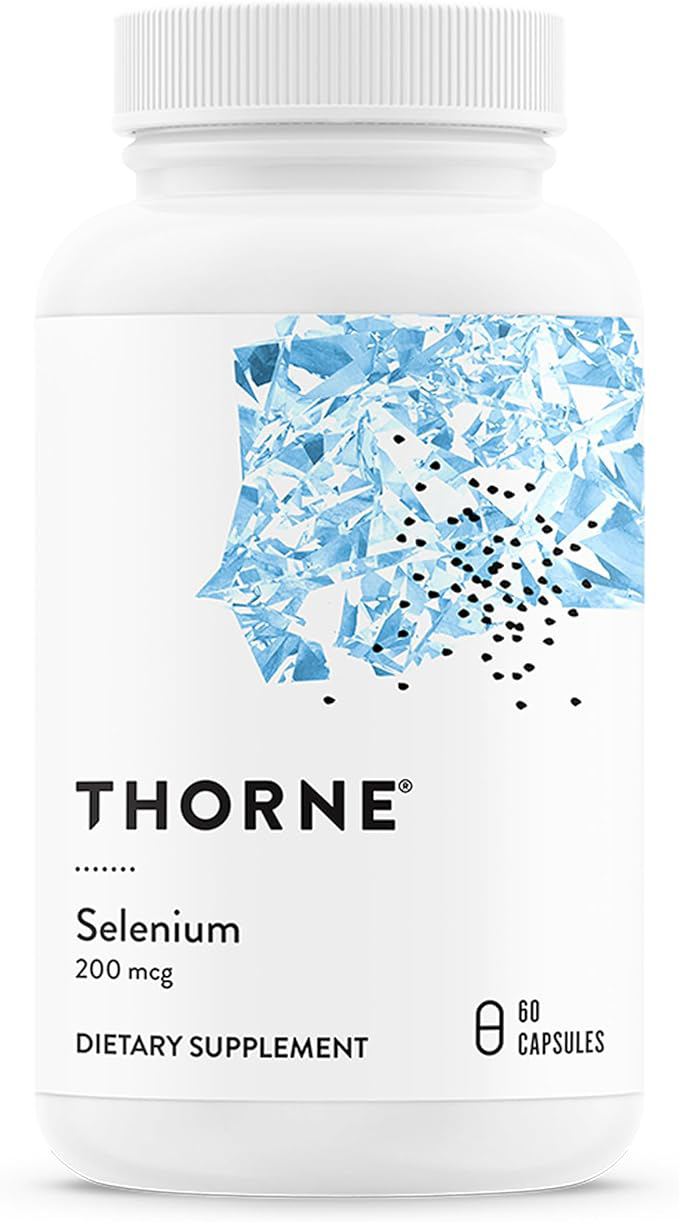
A note on selenium: This trace mineral plays a key role in thyroid hormone metabolism. Foods like Brazil nuts, tuna, sardines, and eggs are natural sources.
Severe postpartum bleeding or anemia
A less commonly discussed but real cause of postpartum thyroid issues is significant blood loss during delivery. When a woman experiences severe bleeding (postpartum hemorrhage), her body may go into a state of physiological stress that affects the pituitary gland.
Because the pituitary gland produces TSH (thyroid-stimulating hormone), damage or reduced blood flow to the pituitary can temporarily lower TSH production. This condition, known as Sheehan's syndrome, can lead to secondary hypothyroidism. Additionally, severe anemia from blood loss can impair the body's ability to transport oxygen and nutrients to the thyroid, further compromising its function.
Extreme physical and emotional stress
While some stress is normal after childbirth, extreme or prolonged stress can disrupt the hypothalamic-pituitary-thyroid (HPT) axis. This is the complex feedback loop that regulates thyroid hormone production. When cortisol levels remain high due to sleep deprivation, anxiety, or physical exhaustion, the HPT axis can become suppressed.
This effect is often overlooked because the symptoms—fatigue, brain fog, feeling cold, low mood—look exactly like the expected challenges of new motherhood. However, when these symptoms are driven by a stressed-out hormonal system rather than just lack of sleep, they tend to persist or worsen even when rest improves.
How long does postpartum thyroiditis last?
For most women, postpartum thyroiditis is a temporary condition. The hyperthyroid phase, if it occurs, typically appears around 1 to 4 months after delivery and lasts a few weeks to a couple of months. The hypothyroid phase usually shows up between 3 and 8 months postpartum and may last 6 to 12 months. Many women recover normal thyroid function within a year, though a small percentage may develop permanent hypothyroidism requiring ongoing management.
When to talk to your doctor
If you're a new mother struggling with persistent fatigue that rest doesn't fix, unexplained weight changes, heart palpitations, anxiety, feeling unusually cold, or a goiter (swelling at the base of the neck), it's worth asking your provider about a thyroid panel. A simple blood test can check your TSH, free T4, and TPO antibody levels.
Treatment during the postpartum period depends on the phase and severity of the condition and must be tailored individually. Never take thyroid medication without a prescription and monitoring.
It's essential to remember that these symptoms are not a reflection of your ability to care for your baby. Thyroid problems after childbirth are a medical condition, not a character flaw, and they are generally manageable with proper medical support.