Hashimoto's disease is one of those conditions that can simmer quietly for years before making its presence known. As an autoimmune disorder where the immune system mistakenly attacks the thyroid gland, it's the leading cause of hypothyroidism in the United States. But what actually triggers this chain reaction? While there's no single cause, researchers have identified several key factors that contribute to its development. Understanding these can help you recognize early signs and have more informed conversations with your healthcare provider.
What is Hashimoto's disease, exactly?
Before diving into causes, it helps to understand what's happening inside the body. In Hashimoto's, your immune system produces antibodies that gradually damage the thyroid—a small, butterfly-shaped gland at the base of your neck. Over time, this damage impairs the thyroid's ability to produce hormones that regulate metabolism, energy, and body temperature. The result is often fatigue, weight gain, cold sensitivity, and a slow, grinding metabolic slowdown.
The condition is named after Dr. Hakaru Hashimoto, who first described it in 1912. It's far more common in women than men, and it typically appears between ages 30 and 50, though it can strike at any age.
1. Genetic predisposition: the family connection
If someone in your immediate family has Hashimoto's disease—or another autoimmune condition like type 1 diabetes, rheumatoid arthritis, or celiac disease—your own risk goes up significantly. Studies have identified several genes, particularly those in the HLA (human leukocyte antigen) region, that influence how your immune system distinguishes between your own cells and foreign invaders. Variations in these genes can make the immune system more likely to misidentify thyroid tissue as a threat.
This doesn't mean you'll definitely develop Hashimoto's if you have the genes. Rather, genetics load the gun; environmental factors often pull the trigger. Family history is one of the strongest predictors, which is why clinicians routinely ask about it when evaluating thyroid symptoms.
2. Hormonal shifts and sex differences
Women are about seven times more likely than men to develop Hashimoto's disease. This dramatic disparity points to sex hormones as a major piece of the puzzle. Estrogen, in particular, has complex effects on immune regulation. It can enhance antibody production and influence the activity of immune cells, which may explain why onset often occurs during or after pregnancy, menopause, or other times of hormonal flux.
The postpartum period is especially significant. After giving birth, a woman's immune system rebounds from its pregnancy-related suppression, and in some cases, this rebound can overshoot and trigger an autoimmune attack. Many women first notice thyroid symptoms months after having a baby—persistent fatigue, mood swings, and difficulty losing pregnancy weight that just won't lift.
3. Iodine: the double-edged sword
Iodine is essential for thyroid hormone production, but in some people, excess iodine triggers or worsens Hashimoto's. This seems counterintuitive, but it's well documented. The thyroid needs just enough iodine to function, but when it gets too much—especially from supplements or certain medications—the gland can become inflamed and more visible to the immune system.
This is why some people experience a flare-up after starting iodine-rich supplements or after exposure to iodinated contrast dye used in medical imaging. For those already genetically susceptible, large doses of iodine can accelerate the autoimmune process. It's a reminder that more isn't always better, especially when it comes to nutrients that directly feed the thyroid.
4. Stress, infections, and immune system triggers
Severe physical or emotional stress can tip the immune system into overdrive. The mechanism involves cortisol, the body's main stress hormone. Chronic stress keeps cortisol levels elevated, which can dysregulate immune responses and promote inflammation. In people with a genetic predisposition, this creates an environment where autoimmune activity can flourish.
Infections are another well-recognized trigger. Certain viruses and bacteria—including Epstein-Barr virus (the cause of mononucleosis), hepatitis C, and Yersinia enterocolitica—have been linked to the onset of Hashimoto's. The leading theory is called molecular mimicry: parts of these microbes resemble thyroid tissue, so the immune system, after fighting the infection, may mistakenly target the thyroid as well.
Even a bad flu or a bout of shingles can, in rare cases, serve as the spark. The common thread is that any major immune event can shake up the system and, in vulnerable individuals, lead to collateral damage.
5. Environmental toxins and nutrient deficiencies
We're exposed to hundreds of synthetic chemicals in everyday life, and some of them can interfere with thyroid function. Known as endocrine disruptors, substances like bisphenol A (BPA), phthalates, and perfluorinated compounds (PFAS) are found in plastics, food packaging, and non-stick cookware. They can mimic or block hormones, and some studies suggest they increase the risk of autoimmune thyroid disease.
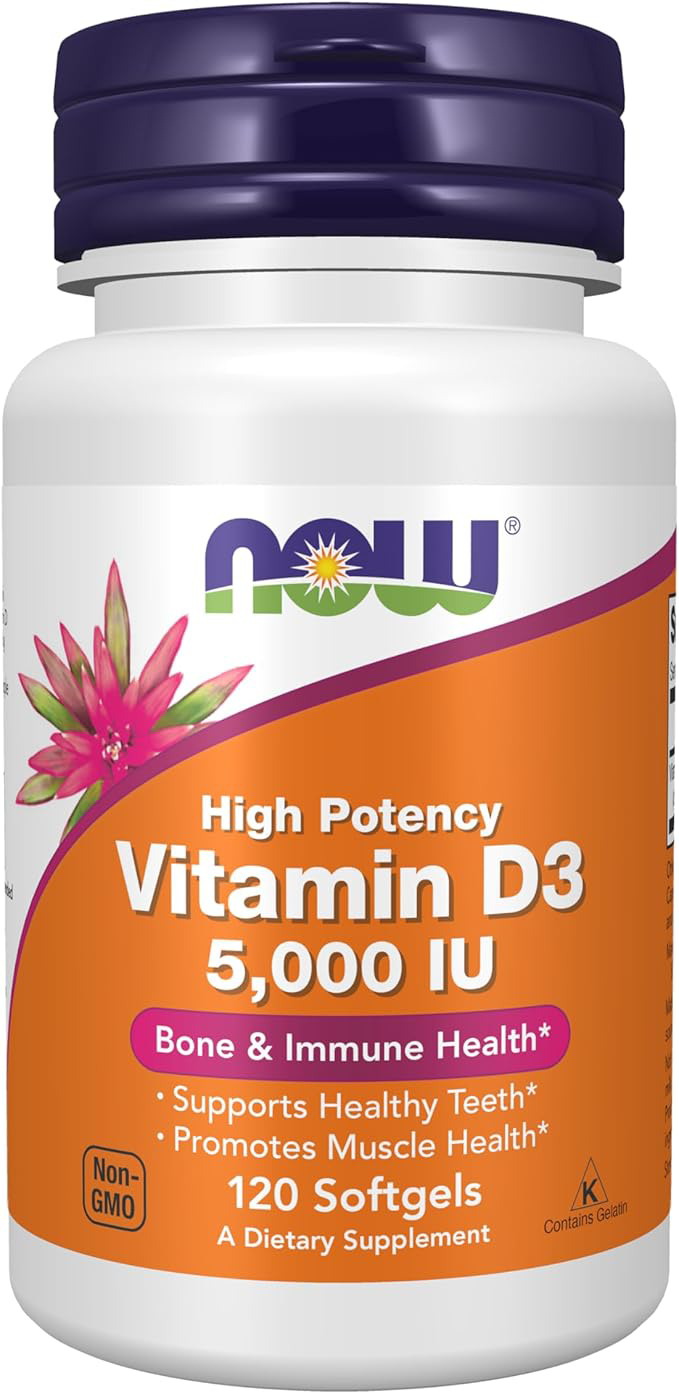
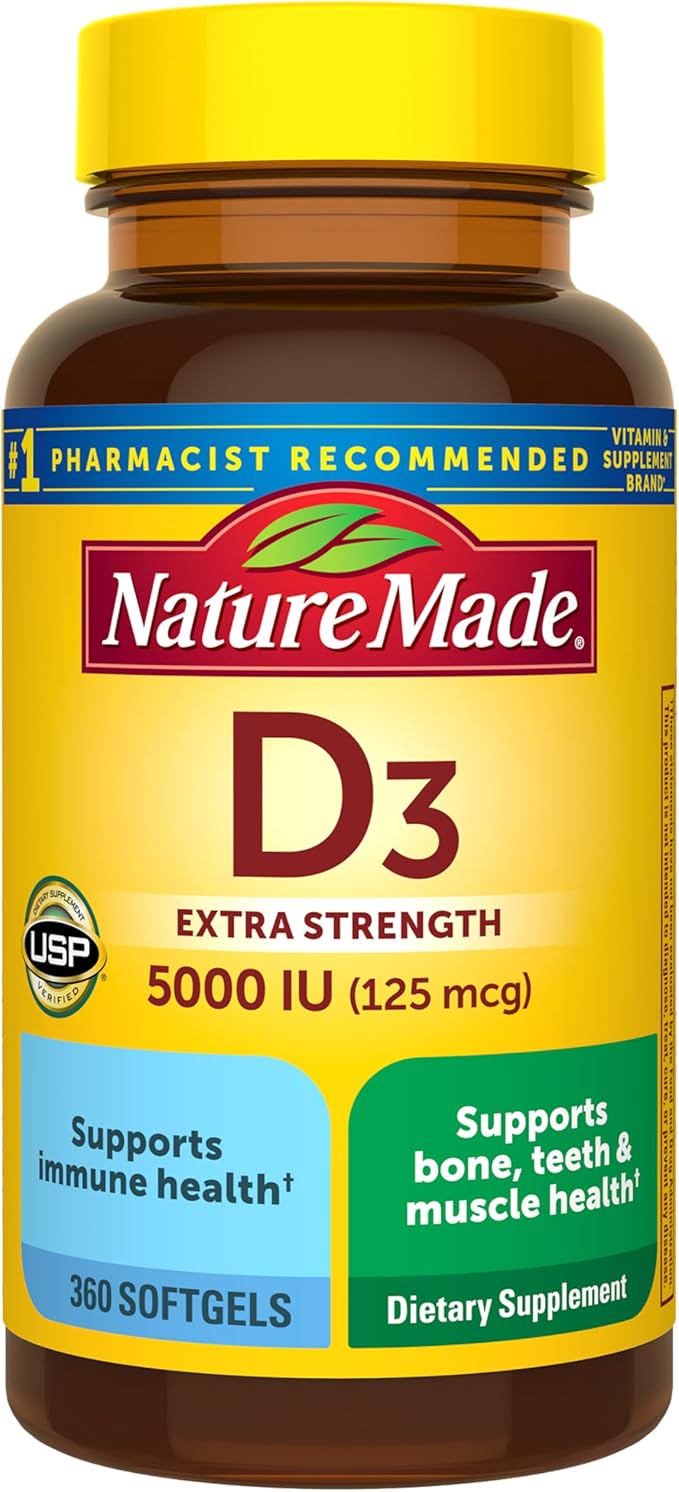
At the same time, certain nutrient deficiencies can amplify susceptibility. Selenium, for example, is a mineral that helps the thyroid produce active hormone and reduces oxidative stress. Low selenium levels have been linked to more severe Hashimoto's and higher antibody levels. Similarly, vitamin D deficiency is common in people with autoimmune conditions, and some evidence suggests that adequate vitamin D may help modulate the immune response. Zinc, iron, and magnesium also play supporting roles in healthy thyroid function.
The interplay between what we're exposed to and what we're lacking creates a complex risk landscape—one that's still being mapped by researchers.
Putting it all together
Hashimoto's disease isn't caused by any one thing. It's a convergence of predisposition and circumstance: your genetic blueprint, your biological sex, your iodine intake, your stress history, your infections, and your chemical exposures. While you can't change your genes, you can pay attention to the other pieces. If you have a family history of autoimmune disease or are experiencing symptoms like persistent fatigue, brain fog, or feeling cold all the time, it's worth discussing thyroid testing with your doctor.
Testing typically includes TSH (thyroid-stimulating hormone) and antibodies against thyroid peroxidase (TPO) and thyroglobulin. These lab values, assessed alongside your symptoms and history, help clinicians make a diagnosis and decide on a management plan. The earlier Hashimoto's is identified, the sooner you can start managing it—and the better your chances of avoiding long-term complications.
Understanding the causes doesn't give you perfect control, but it does give you clarity. And in a condition that often leaves people feeling foggy and frustrated, clarity is a good place to start.