

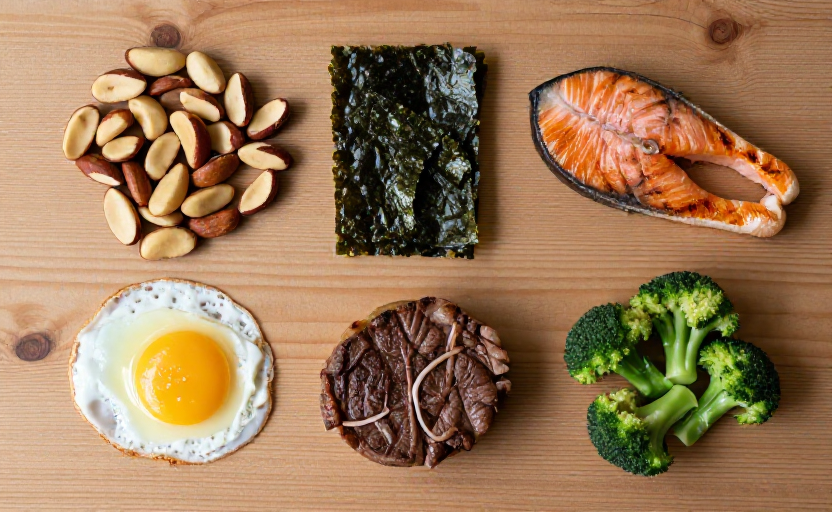
Your thyroid gland is a small butterfly-shaped organ in your neck that has a big job. It produces hormones that regulate your metabolism, energy production, and body temperature. When your thyroid is functioning well, you likely don't think about it. But when imbalances occur, the effects can ripple through your entire system. While medication is often necessary for diagnosed thyroid conditions, what you eat plays a foundational role in supporting healthy hormone production and conversion.
These five foods stand out for their specific nutrient profiles that support thyroid health. Rather than thinking of these as a strict prescription, consider adding them to a balanced eating pattern. No single food will fix a thyroid issue, but consistently including these nutrient-dense options can help your body produce and regulate thyroid hormones more effectively.
1. Brazil Nuts: The Selenium Powerhouse
Selenium is one of the most critical minerals for thyroid health. It helps protect the thyroid gland from oxidative stress and is essential for the conversion of the less active thyroid hormone (T4) into the active form (T3) that your cells actually use. Brazil nuts are the richest dietary source of selenium available.
Just one or two Brazil nuts per day provides the recommended daily intake of selenium. Eating more than that on a regular basis can lead to selenium toxicity, so moderation is key. A single nut contains about 68 to 91 micrograms of selenium, while the adult daily recommendation is roughly 55 micrograms. Keep a small bag of shelled Brazil nuts in your pantry and grab one or two as a daily snack. You can also chop them and sprinkle over oatmeal or a salad for a subtle crunch.
Tip: Store Brazil nuts in the refrigerator to prevent the healthy fats from going rancid.
2. Seaweed: A Natural Iodine Source
Iodine is a core building block of thyroid hormones. Without enough iodine, your thyroid cannot produce T4 and T3 in sufficient amounts, which can lead to enlargement of the gland (goiter) and hypothyroid symptoms. Seaweed—including nori, kelp, wakame, and kombu—is one of the richest natural sources of this mineral.
The iodine content in seaweed varies dramatically by type and where it was harvested. Kelp tends to be extremely high, while nori (the sheets used for sushi) contains moderate amounts. Because too much iodine can actually worsen thyroid problems, especially in people with autoimmune thyroid conditions like Hashimoto's, it is important to be careful with seaweed. Consider using nori wraps for sandwiches or adding a small strip of kombu to bean dishes for a subtle mineral boost, rather than eating large kelp salads daily.
3. Grass-Fed Beef or Pastured Eggs: Zinc and Tyrosine Together
The amino acid tyrosine is fundamental for the structure of thyroid hormones, and zinc helps regulate the receptors that respond to those hormones. Zinc deficiency is linked with lower levels of thyroid hormones, and it is particularly important for the conversion of T4 to T3. Grass-fed beef and pastured eggs provide both zinc and tyrosine in a single, highly absorbable package.
A 3-ounce serving of grass-fed beef provides about 5 milligrams of zinc, which is roughly 45% of the daily value for men and 62% for women. Two pastured eggs supply around 1.3 milligrams of zinc along with generous amounts of tyrosine. If you follow a plant-based diet, you can find zinc in pumpkin seeds, chickpeas, and cashews, though plant sources are less bioavailable due to phytates found in legumes and grains.
4. Wild-Caught Salmon: Vitamin D and Omega-3s
Vitamin D deficiency is extremely common in people with thyroid disorders, particularly those with autoimmune conditions. Research has found that low vitamin D levels are associated with higher thyroid antibody levels in Hashimoto's thyroiditis. Omega-3 fatty acids also reduce inflammation throughout the body, which can be beneficial for a stressed thyroid gland.
Wild-caught salmon provides both vitamin D and anti-inflammatory omega-3s in one serving. A standard 3.5-ounce fillet contains about 570 IU of vitamin D—nearly the full daily recommendation of 600 IU for most adults. Try to include fatty fish like salmon in your meals two to three times per week. If you dislike fish, a quality fish oil supplement provides the omega-3s, though you would need to get vitamin D from other sources like fortified milk or safe sun exposure.
Other fatty fish such as mackerel, herring, and sardines offer similar benefits if salmon is not available.
5. Cooked Cruciferous Vegetables: Moderation and Preparation Matter
Cruciferous vegetables—broccoli, cauliflower, kale, Brussels sprouts, and cabbage—contain compounds called goitrogens that can interfere with thyroid function when consumed in very large amounts, especially raw. However, for most people, these vegetables are beneficial rather than harmful, particularly when they are cooked.
Cooking deactivates most of the goitrogenic compounds. Cruciferous vegetables are rich in fiber, vitamin C, and various antioxidants that support overall metabolic health. The gut-healthy fiber also helps with estrogen metabolism, which can influence thyroid-binding globulin levels. Steaming or roasting these vegetables until tender significantly reduces their goitrogenic potential. Unless you have a diagnosed iodine deficiency or low thyroid function that is untreated, eating a serving of cooked broccoli or kale daily is generally helpful, not harmful.
Supporting thyroid health through food is not about a single magic ingredient—it is about consistently providing your body with the raw materials it needs to produce and use hormones efficiently. Selenium, iodine, zinc, tyrosine, vitamin D, and omega-3s each play distinct roles in this complex system. By including these five types of food in your regular rotation, you give your thyroid a steady supply of tools for optimal function. Always consult your healthcare provider before making major dietary changes, especially if you are being treated for a thyroid condition.


