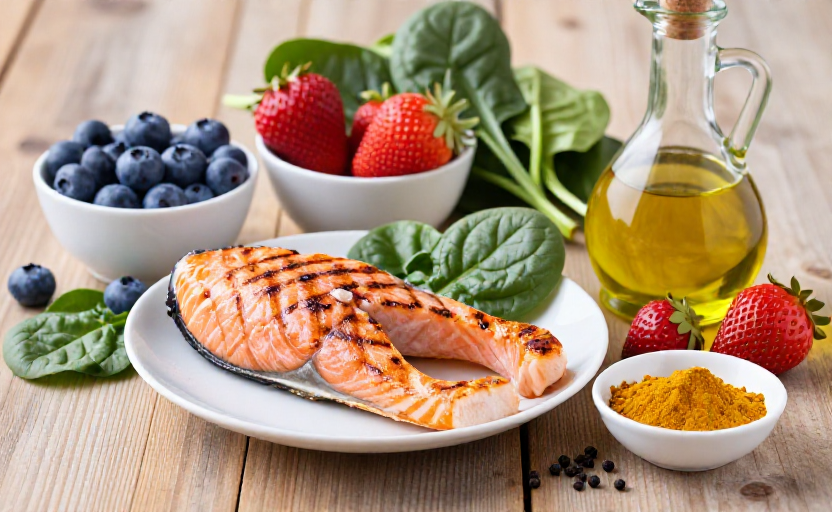
Atrial fibrillation, or AFib, is the most common type of heart arrhythmia, affecting millions of people. While medications and procedures play a role in management, emerging research suggests that what you put on your plate can significantly influence your heart's rhythm. Chronic inflammation is a known driver of AFib, and adopting an anti-inflammatory diet is one of the most proactive steps you can take for your cardiovascular health.
Here are five science-backed, anti-inflammatory foods that may help lower your risk of developing AFib. Think of these not as a quick fix, but as foundational ingredients for a heart-healthy lifestyle.
1. Fatty Fish (Salmon, Mackerel, Sardines)
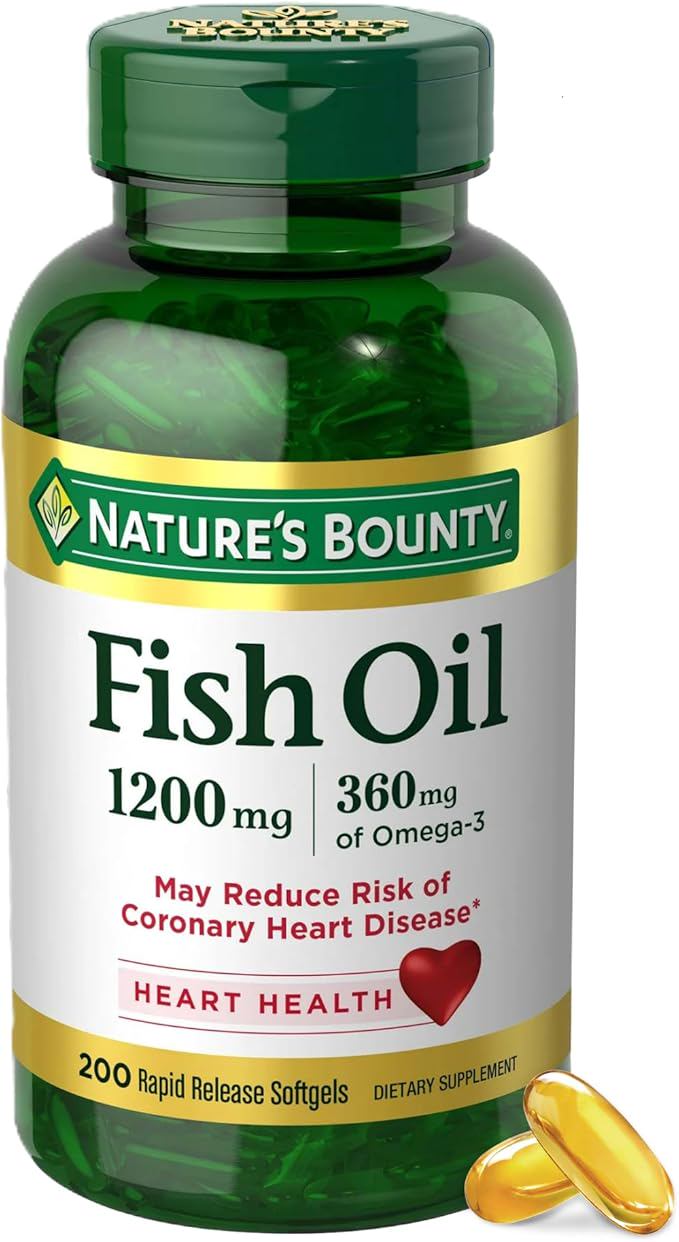
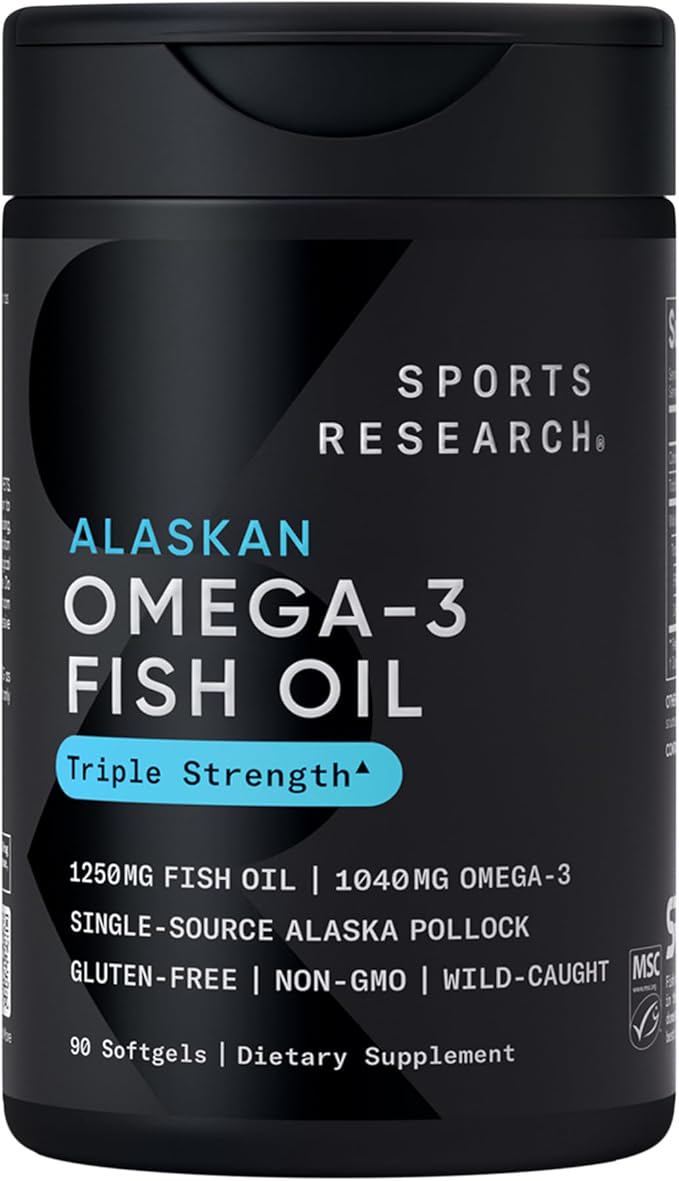
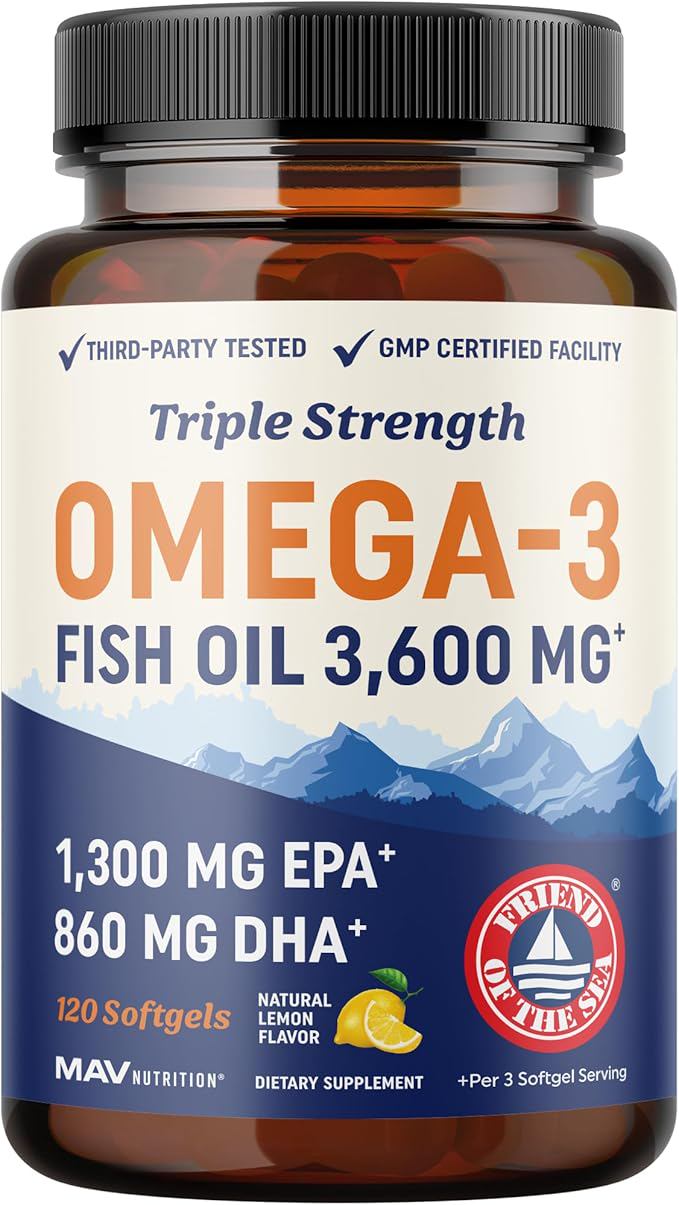
Fatty fish are rich in omega-3 fatty acids (EPA and DHA), which are potent anti-inflammatory compounds. Studies have linked higher omega-3 intake with a reduced incidence of AFib. These healthy fats help stabilize heart cell membranes and reduce oxidative stress.
How to add them: Aim for two servings of fatty fish per week. Grilled salmon, sardines on a salad, or mackerel in a sandwich are easy options. If you don't eat fish, a high-quality algae-based omega-3 supplement is an alternative, but always discuss dosing with your doctor.
2. Leafy Greens (Spinach, Kale, Swiss Chard)
Dark, leafy greens are loaded with antioxidants, particularly vitamins C and E, as well as magnesium. Magnesium is crucial for maintaining a normal heart rhythm and can help prevent the electrical disturbances that lead to AFib. The fiber in these greens also supports overall cardiovascular health by lowering cholesterol and blood pressure.
How to add them: Make a base for salads, add a handful to smoothies, or lightly sauté them with garlic and olive oil as a side dish.
3. Berries (Blueberries, Strawberries, Raspberries)
Berries are among the highest antioxidant-containing fruits, packed with flavonoids called anthocyanins. These compounds fight inflammation at the cellular level and improve blood vessel function. Regular berry consumption has been associated with a lower risk of heart disease, including AFib.
How to add them: Eat them fresh as a snack, toss them into oatmeal or yogurt, or use frozen berries in overnight oats.
4. Extra Virgin Olive Oil
Extra virgin olive oil is a cornerstone of the Mediterranean diet and a powerful anti-inflammatory food. It contains oleocanthal, a compound that works similarly to ibuprofen in reducing inflammation. Replacing less healthy fats (like butter or margarine) with olive oil can have a direct positive effect on heart health.
How to add it: Use it as your primary cooking oil at medium heat, drizzle it over roasted vegetables, or use it as a base for salad dressings.
5. Turmeric (with Black Pepper)
Turmeric contains curcumin, a compound with well-documented anti-inflammatory and antioxidant properties. Chronic inflammation from conditions like arthritis or metabolic syndrome can increase AFib risk, and curcumin helps reduce that systemic inflammation. The key is to always pair turmeric with black pepper, as piperine in pepper boosts curcumin absorption by up to 2,000%.
How to add it: Add a teaspoon of turmeric powder and a pinch of black pepper to soups, stews, scrambled eggs, or golden milk lattes.
While these foods are beneficial, they work best as part of a consistent, overall anti-inflammatory eating pattern—such as the Mediterranean diet—rather than as isolated additions. Reducing processed foods, excess sugar, and trans fats is equally important. Always consult with your healthcare provider before making major dietary changes, especially if you have a known heart condition or are on blood thinners.