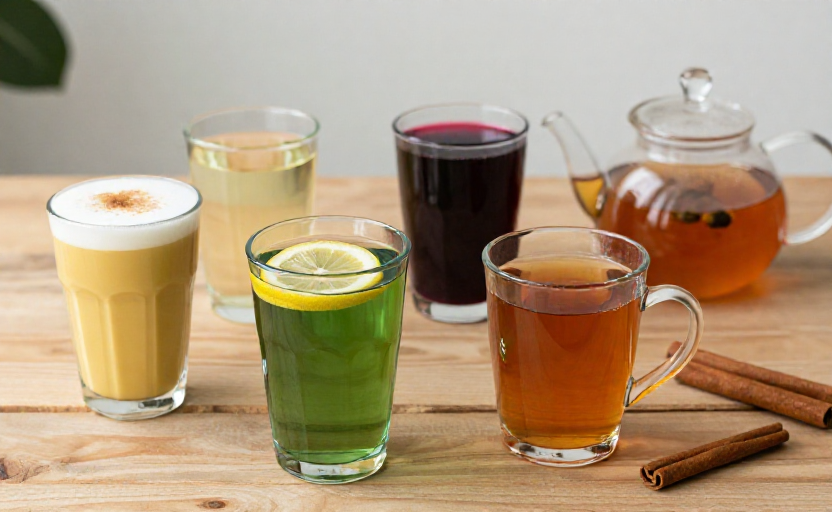
Menopause brings a wave of changes, and for many women, low-grade inflammation can intensify symptoms like hot flashes, joint stiffness, and brain fog. While diet plays a central role in managing these shifts, what you sip throughout the day matters just as much as what is on your plate. The right drinks can help cool internal heat, support hormone balance, and provide steady energy without the crashes.
Below are five anti-inflammatory drinks that fit naturally into a menopause-supporting routine. Each one is chosen for its specific compounds that target inflammation pathways, along with real-world practicality so you can actually make them part of your day.
1. Turmeric and Ginger Latte
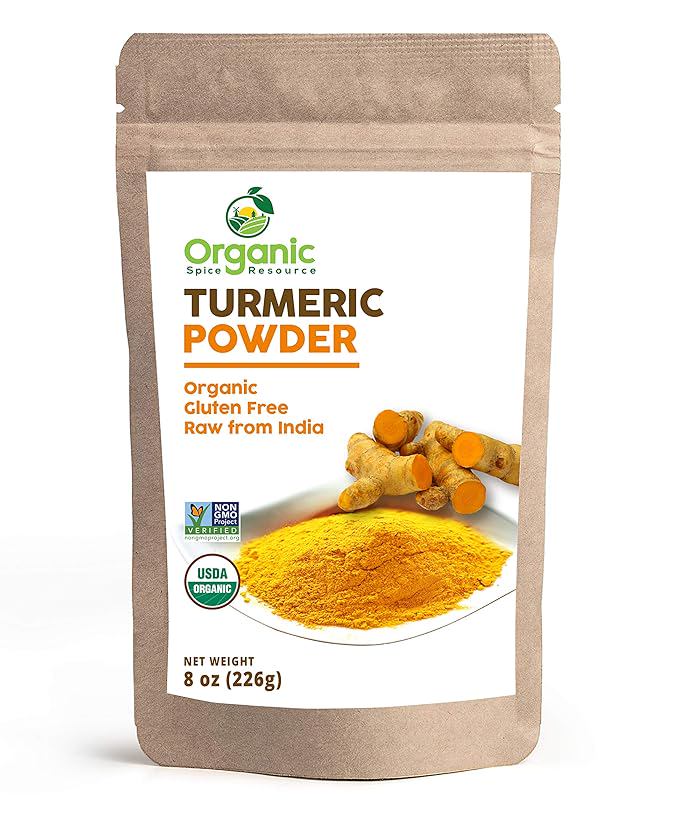
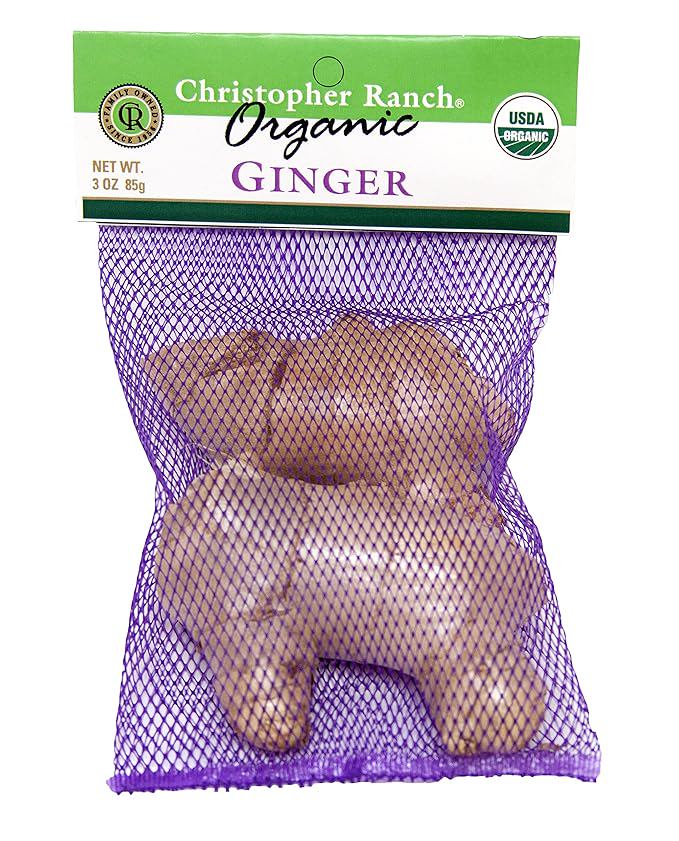
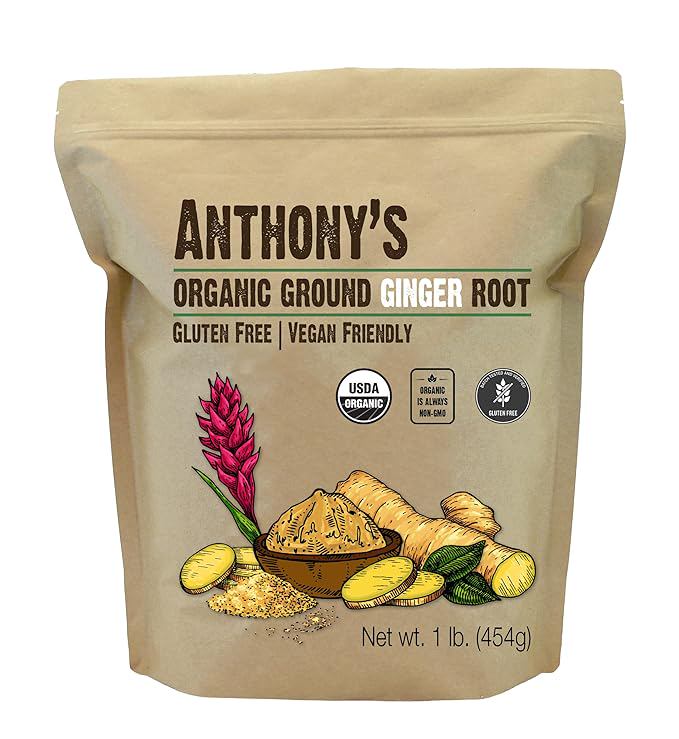
Turmeric gets most of the credit, but ginger is equally powerful for quieting inflammatory messengers in the body. Combined with a warm milk base (dairy or unsweetened plant-based), this drink becomes a soothing ritual.
Curcumin, the active compound in turmeric, is poorly absorbed on its own. Always pair turmeric with a pinch of black pepper and a small amount of fat — coconut oil or the fat in milk works — to boost bioavailability. Ginger adds its own anti-inflammatory punch via gingerols, which can help reduce muscle soreness and joint discomfort common during perimenopause.
Tip: Simmer fresh turmeric and ginger slices in water for 10 minutes, then add warm milk and a dash of cinnamon. Skip the sugar — a touch of stevia or a few soaked dates blended in is gentler on blood sugar.
2. Green Tea with a Lemon Twist
Green tea is one of the most well-studied beverages for reducing chronic inflammation, thanks to its high concentration of catechins — particularly epigallocatechin gallate (EGCG). These antioxidants help neutralize free radicals and reduce oxidative stress, which tends to rise during menopause as estrogen levels drop.
Adding lemon does more than improve flavor. Vitamin C enhances the absorption of catechins, and the citrus flavonoids contribute their own anti-inflammatory effects. For best results, brew fresh leaves or a high-quality bag, avoid boiling water (let it cool slightly), and drink it unsweetened.
3. Tart Cherry and Beetroot Blend
Tart cherries are rich in anthocyanins, the same compounds that give berries their deep color and anti-inflammatory power. Beetroot provides betalains, which support liver detoxification pathways and reduce inflammatory markers.
A low-sugar version of this drink works as a natural post-meal tonic or a pre-walk energizer. The nitrates in beets also support healthy blood flow, which can help with temperature regulation and reduce the frequency of hot flashes for some women.
If you buy pre-made blends, read the label carefully — many juice products add apple juice concentrate that spikes sugar content. Unsweetened tart cherry juice and plain beet juice, mixed 50/50 with sparkling water, gives you the benefits without the sugar load.
4. Bone Broth with Rosemary and Turmeric
Bone broth has gained popularity for its gut-healing properties, and during menopause, gut health is directly linked to inflammation. The collagen and gelatin in bone broth support the intestinal lining, reducing the permeability that can trigger systemic inflammation.
Simmering the broth with fresh rosemary and turmeric adds anti-inflammatory polyphenols while improving the flavor profile. Rosemary contains carnosic acid, an antioxidant that supports brain health and reduces neuroinflammation — a helpful addition for women experiencing memory lapses or mood swings.
Homemade bone broth gives you the most nutrients, but a high-quality store-bought version (look for "pressure-cooked" or "long-simmered" on the label) works in a pinch. Drink a warm mug in the afternoon instead of coffee to avoid caffeine's potential impact on sleep quality.
5. Cinnamon and Fennel Seed Infusion
Simple herbal infusions are easy to overlook, but this combination addresses two common menopause issues: inflammation and bloating. Cinnamon acts on inflammatory cytokine pathways, while fennel seeds contain anethole, a compound that relaxes digestive muscles and reduces cramps.
To make it, crush one teaspoon of fennel seeds and one cinnamon stick, steep in hot water for 10 minutes, then strain. The natural sweetness of cinnamon means you likely do not need any added sweetener. Drink this warm between meals, not during a meal, to maximize digestive benefits.
All five drinks work best as part of an overall pattern that includes whole foods, regular movement, and adequate sleep. No single beverage is a cure, but consistently choosing these anti-inflammatory options over sugary lattes, fruit drinks, and soda can shift your internal environment toward calmer, cooler, and more balanced territory.
Pay attention to how your body responds. If you feel less joint ache, fewer hot flashes, or simply more even energy after a week of rotating these drinks, you will know you are on the right track.