
You pop that prenatal vitamin every morning with the best intentions—nourishing your body and your growing baby. But what if the supplement you’re trusting is actually working against you? The truth is, not all prenatal vitamins are created equal, and sometimes your body sends clear signals that something in your daily tablet or gummy needs to change.
It’s easy to dismiss a little nausea or a strange aftertaste as “just part of pregnancy.” But persistent, specific symptoms often point to a mismatch between your body’s needs and what’s inside that bottle. Here are four honest warning signs that your prenatal vitamin might not be the right fit for you—and what you can do about it.
1. Constant Nausea or Vomiting After Taking It
Morning sickness is common, but if your prenatal vitamin consistently makes you feel worse within 30 minutes of swallowing, pay attention. Many prenatal vitamins contain iron, which can irritate the stomach lining, especially on an empty stomach. Some formulations also use cheaper, less absorbable forms of nutrients like folic acid (instead of methylfolate) or ferrous sulfate iron, which are harder on digestion.
A simple fix: Try taking your prenatal with a small meal or right before bed. If nausea persists, switch to a chelated iron form (like ferrous bisglycinate) or a food-based prenatal that is gentler on the stomach. You should not have to tough out daily sickness from your supplement.
2. Persistent Constipation or Digestive Distress
Iron is notorious for causing constipation, and pregnancy hormones already slow down your digestive tract. If you are straining, bloated, or dealing with hard stools despite drinking enough water and eating fiber, your prenatal vitamin’s iron type and dosage could be the culprit. Standard ferrous sulfate iron often triggers these side effects more than other forms.
Also consider the calcium content—some prenatals pack in calcium carbonate, which can further bind things up. Look for a prenatal that uses calcium citrate (easier on the stomach) and iron bisglycinate, and make sure you are getting enough magnesium from your diet or a separate supplement, since magnesium helps counteract constipation.
3. A Metallic Taste, Heartburn, or Burping That Stays
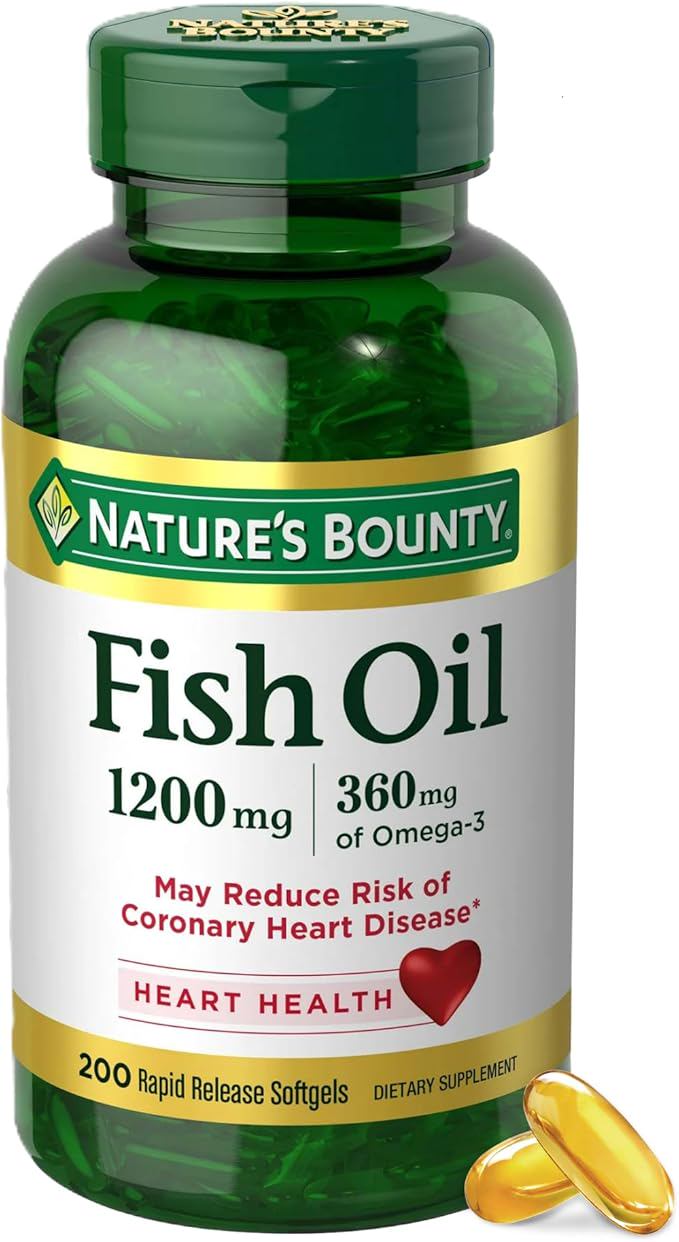
If your prenatal vitamin leaves you with a persistent metallic taste, repeated burps that taste like the pill, or a burning sensation in your chest, that is often a sign of poor absorption or a reaction to the form of nutrients used. Fish oil–based prenatals can go rancid if not stored properly, causing fishy burps. Zinc (especially zinc oxide) can also cause metal mouth in some people.
- Try enteric-coated capsules that dissolve lower in the intestine, reducing burping and aftertaste.
- Switch to a whole-foods–based prenatal made from fermented or food-derived nutrients—these often cause fewer sensory side effects.
- Check expiration dates: rancid oils smell like paint thinner; if yours does, toss it immediately.
4. You’re Still Experiencing Deficiency Symptoms
This is a subtle but crucial sign: your prenatal vitamin might be checking the box, but your body isn’t actually using what’s inside. If you are still exhausted, losing hair, feeling lightheaded, having brittle nails, or noticing leg cramps and restless legs at night, your prenatal could be lacking bioavailable forms of nutrients your body needs most, like methylated B vitamins (especially B12 and folate), vitamin D3 (not D2), and proper magnesium.
Many cheap prenatal vitamins use folic acid instead of methylfolate—up to 40 percent of women have a genetic variation (MTHFR) that makes it hard to convert folic acid into the active form. You could be taking a “complete” multivitamin and still be functionally deficient.
What to Do Next
If any of these signs feel familiar, do not stop taking a prenatal altogether—the consistent intake of folate, iron, iodine, and choline is vital during pregnancy. Instead, talk to your healthcare provider about switching to a prenatal with a different form of iron, a lower or divided dose, or a food-based formulation. You can also consider splitting your prenatal: take a smaller iron supplement separately from a multivitamin, or use separate choline and DHA capsules.
Avoid buying a new prenatal without checking the ingredient label first. Look for terms like “methylfolate,” “methylcobalamin,” “ferrous bisglycinate,” “calcium citrate,” and “magnesium glycinate.” If the label lists folic acid, ferrous sulfate, calcium carbonate, or elemental iron over 27 mg, you may want to try a gentler alternative—especially if you already have digestive sensitivity.
Bottom line: A prenatal should support you, not sabotage your day. Your body’s reactions—nausea, constipation, metallic taste, or persistent fatigue—are valid feedback. Listen, adjust, and find a prenatal that actually works with your unique biology.