
You eat a small bite before bed to settle your stomach—but an hour later, you're lying awake with a racing heart and a busy mind. It's easy to blame stress or a restless day, but the culprit might be sitting on your nightstand. Certain foods and drinks can spike neurotransmitters and hormones that mimic anxiety, turning a harmless snack into a chemical alarm clock.
The connection between what you eat and how you sleep is real. When you choose the wrong late-night fuel, you might not recognize the symptoms as food-related. Here are four specific warning signs that your pre-bed snack is working against your nervous system—and what to reach for instead.
1. Your heart is pounding or racing soon after eating
This is the most direct clue. If you lie down and feel your pulse thumping in your ears or chest within 30–60 minutes of a snack, look at the ingredients list. Caffeine is the obvious suspect—even small amounts in chocolate, certain teas, or coffee-flavored treats can linger in your system for hours. But blood sugar swings can also cause a surge of adrenaline. A high-sugar snack (cookies, sugary cereal, juice) sends your glucose up fast; your body responds by releasing insulin and stress hormones like cortisol and epinephrine to bring it back down. That hormonal spike can feel exactly like a panic attack.
What to check: If your snack contains added sugars, refined carbs, or hidden caffeine (chocolate, green tea, some protein bars), try swapping to a small handful of almonds or a hard-boiled egg. Protein and fat stabilize blood sugar without the crash.
2. Your mind won't stop spinning once your head hits the pillow
Racing thoughts aren't always psychological. Certain foods contain compounds that stimulate the brain. The amino acid tyrosine, for example, is a precursor to dopamine and norepinephrine—the brain's fuel for focus and fight-or-flight. High-tyrosine foods include aged cheeses, cured meats (like salami or beef jerky), and some soy products. A small charcuterie-style snack or deli meat roll-up before bed can give your brain an activation signal, not a calm one.
This is different from general worry. You're not replaying a conversation—you're jumping from topic to topic with a fizzy kind of energy. That neural chatter is a sign your brain got a stimulating amino acid infusion right when it should be winding down.
3. You feel hot, flushed, or sweaty while trying to sleep
Night sweats and hot flashes aren't always hormonal. Spicy foods are the obvious trigger (capsaicin raises body temperature), but alcohol does this too. Even a single glass of wine or a nightcap beer can interfere with the body's thermoregulation. Alcohol initially acts as a sedative, but as your liver metabolizes it, your blood sugar drops and your body releases stress hormones. The result: a middle-of-the-night sweat-and-jolt awakening that feels like pure anxiety.
If you're getting warm within an hour of eating or drinking, check for spicy seasonings, chili, black pepper in large amounts, or even a warm cup of herbal tea that's actually a blend containing stimulating herbs (like ginseng or yerba maté). Plain water or a very mild chamomile infusion is safer.
4. Nausea or an unsettled stomach keeps you from relaxing
Gastrointestinal distress can masquerade as anxiety. When your stomach is churning or you feel a touch of acid reflux, your brain reads that physical discomfort as a threat signal. This is especially common after high-fat or fried snacks, which slow stomach emptying. A heavy meal or fatty snack sitting in your gut can trigger the vagus nerve to fire distress signals, raising your heart rate and alertness.
Another hidden trigger: acidic foods like tomatoes, citrus fruits, or a glass of orange juice. These can relax the lower esophageal sphincter, causing silent reflux that doesn't burn but still triggers a stress response in the nervous system. If you feel queasy, gassy, or just off in your belly after eating, your brain's wiring makes it feel like fear.
How to choose a truly calming pre-bed snack
The goal is a snack that supports serotonin and melatonin production without stimulating adrenaline or spiking blood sugar. The best options include a small combination of complex carbohydrates and a modest amount of protein:
- A sliced banana with a spoonful of peanut butter (no sugar added)
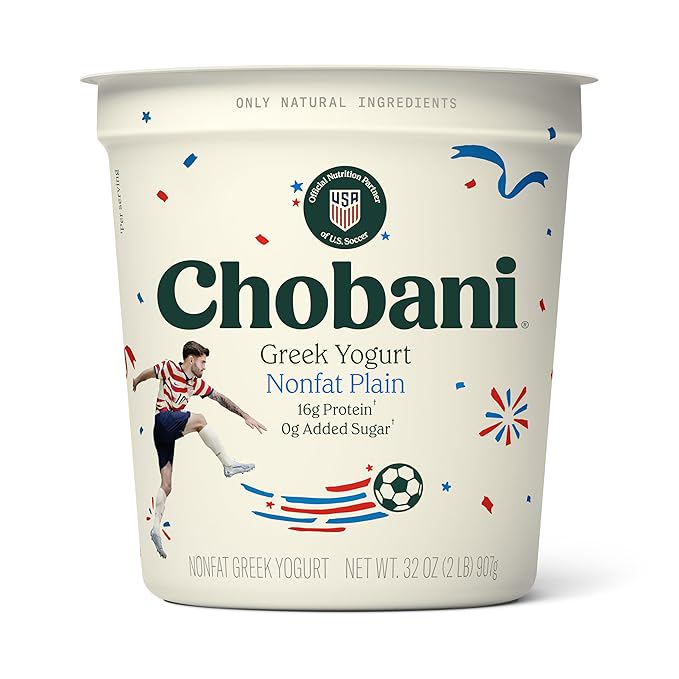
- A small bowl of plain Greek yogurt (or dairy-free alternative) with a few berries
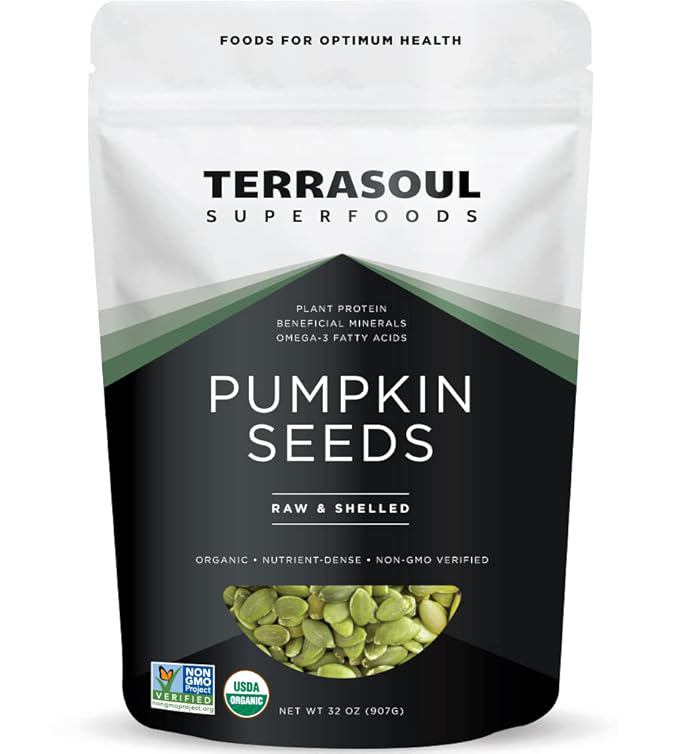
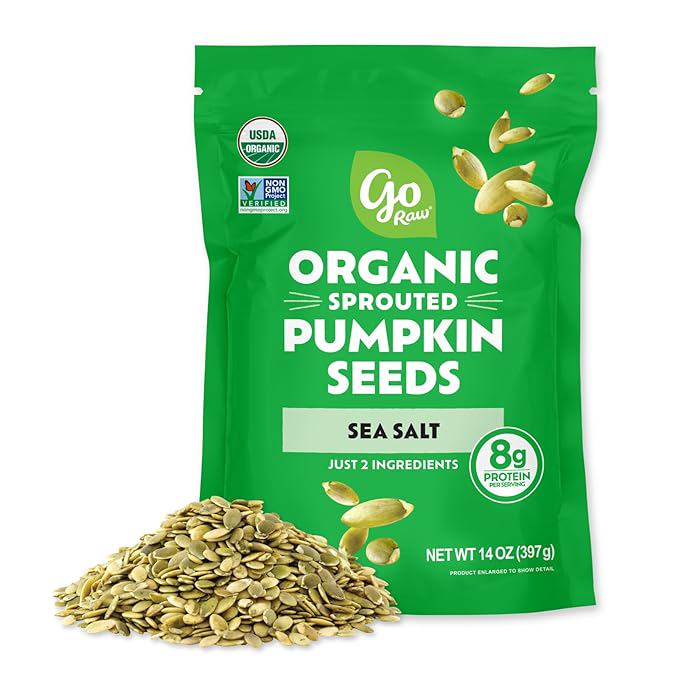
- A handful of pumpkin seeds or walnuts
- Half a whole-wheat turkey roll-up with avocado
Timing matters too. Eat your snack at least 45–60 minutes before lying down to let digestion begin. If you notice any of the four warning signs above, try eliminating the suspect food for a week and swap to one of these options. Your night-time jitters may disappear without any other change.
Bottom line: Nighttime anxiety is not always in your head—it can start on your plate. Paying attention to what you eat in the hour before bed can make the difference between a restless night and deep, restorative sleep.