
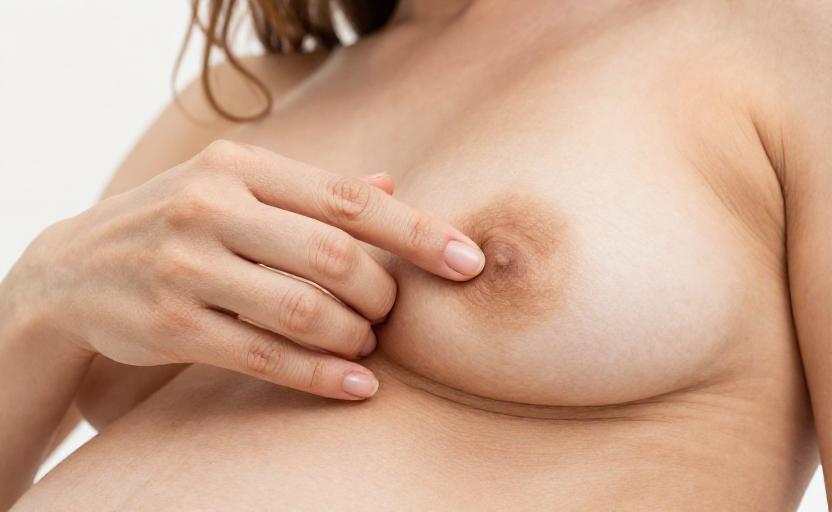
Breastfeeding is a journey that often begins long before a baby latches for the first time. Many expectant parents focus on birth plans, nursery setups, and baby gear, but the health of your nipples deserves a spot on that checklist too. Nipple discomfort is common in the early days of nursing, but certain warning signs—if noticed during pregnancy—can tip you off to issues that could be prevented or managed ahead of time. Recognizing these signs now gives you a real chance to set yourself up for a more comfortable breastfeeding experience.
1. Inverted or Flat Nipples That Don't Respond to Stimulation
Nipples come in all shapes and sizes, and many variations are perfectly normal. But if your nipples remain flat or pull inward (invert) when gently rolled or stimulated with cool air or touch, this can present a latch challenge for a newborn. Some inverted nipples are mild and resolve on their own; others are more pronounced. The key sign is a lack of response—if they stay retracted rather than projecting outward, you may want to explore guidance from a lactation consultant during pregnancy.
You can do a simple self-check: gently compress your areola about an inch behind the nipple. If the nipple protrudes, it's considered everted. If it flattens or pulls inward, that's a sign of inversion. Many people with inverted nipples go on to breastfeed successfully with tools like nipple shields, breast shells, or specific pumping techniques—but knowing ahead of time gives you a head start.
Tip: If you notice inversion, mention it at your next prenatal visit. A lactation consultant can show you gentle exercises or recommend a breast shell to help draw the nipple out gradually.
2. Persistent Dryness, Cracking, or Flaking
Mild dryness in pregnancy is common due to hormonal changes, but if your nipples are persistently dry, flaking, or developing small cracks, this may be a warning that your skin barrier is compromised. Cracked nipples in early breastfeeding are one of the top reasons for pain and early weaning. The skin on the nipple is delicate, and damage that starts during pregnancy can worsen once nursing begins, creating a pathway for infection or intense soreness.
If you notice these symptoms, try a lanolin-free nipple balm or a 100% medical-grade lanolin product (if you aren't sensitive to wool). Look for ingredients like coconut oil, shea butter, or calendula—but check with your provider if symptoms persist. Dryness can also be a sign of eczema or a fungal infection, which would need specific treatment before birth.
3. Nipple Discharge That Isn't Colostrum
It's normal for breasts to leak tiny amounts of colostrum in late pregnancy—this is a thick, sticky, yellowish fluid. But discharge that is bloody, greenish, foul-smelling, or that comes from only one breast without stimulation deserves attention. This could signal an intraductal papilloma (a benign growth), an infection like mastitis brewing, or, rarely, a more serious condition. Even if the discharge looks worrisome, the cause is often harmless, but it's important to have it evaluated so you can treat any underlying issue before you're in the middle of round-the-clock feedings.
What to watch for: spontaneous discharge (not expressed), discharge that stains your bra or shirt, or any fluid that looks different from the usual pale colostrum. Keep a log of the color, consistency, and which breast it comes from—your healthcare provider will find this helpful.
4. Unusual Pain, Tenderness, or a Lump
Pregnancy hormones make breasts feel tender, but localized pain—especially sharp pain, burning, or a specific spot that stays sore—isn't something to brush off. Similarly, a lump under or near the nipple that doesn't resolve over two weeks should be checked. While most breast lumps in pregnancy are benign (cysts, fibroadenomas, or normal glandular changes), the area behind the nipple is where many milk ducts converge. A blocked duct, a small cyst, or even a subareolar abscess can form during pregnancy and complicate breastfeeding later.
Don't assume that any lump is just a “clogged pore.” If you feel a firm area that doesn't wax and wane with your menstrual cycle (or in pregnancy, if it doesn't change), get it imaged—usually ultrasound is safe during pregnancy. Catching a small infection early means you can treat it with warm compresses, massage, or antibiotics if needed, rather than dealing with a full-blown abscess postpartum.
How to Prepare Now
If any of these signs sound familiar, you don't need to panic. Most are manageable with the right support. Here are a few practical steps you can take during the second or third trimester:
- Talk to a lactation consultant before the baby arrives—many offer prenatal consults and can assess your nipple anatomy.
- Start gentle nipple care by avoiding harsh soaps, keeping the area clean and dry, and using a moisturizing balm if needed.
- Monitor changes and take photos if you notice discharge or lumps so you can share them with your provider.
- Have a breast pump on hand that is properly sized for your nipple (flange fit matters). A lactation consultant can help with sizing.
Your body is already doing a lot of work to grow a baby. Giving your nipples a little attention beforehand can make the transition to breastfeeding smoother—and save you a world of hurt later. You've got this.