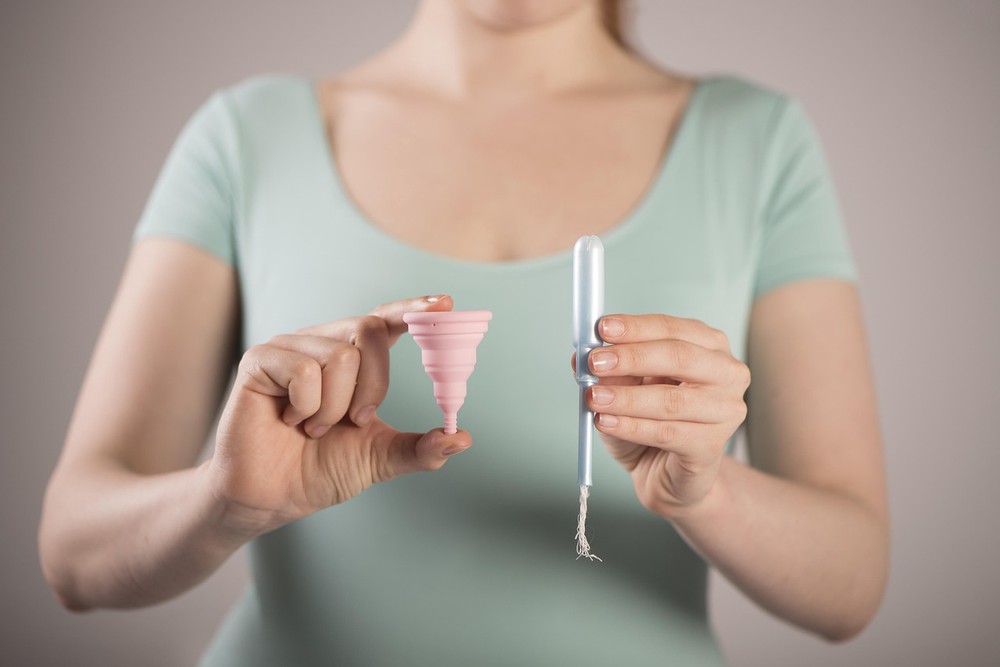
Most of us learned the basics of menstrual care years ago: change your pad or tampon every few hours, wash your hands, and keep moving. But as our bodies change and new products hit the shelves, it is easy to fall into habits that might not be serving us well. Your menstrual hygiene routine deserves the same gentle check-in you give your skincare or sleep habits. Here are four signs that it might be time to take a closer look.
You Notice Persistent Odor, Itching, or Irritation
A mild scent during your period is normal. But if you experience a strong, fishy odor, persistent itching, burning, or general vulvar irritation, it could signal that your current products or changing habits are disrupting your vaginal microbiome. Scented pads, panty liners, and tampons often contain fragrances and dyes that can cause contact dermatitis or alter the natural pH balance of the vagina. “If you’re experiencing discomfort every cycle, the first step is to switch to unscented, hypoallergenic products,” says Dr. Aparna Hegde, a gynecologist and menstrual health educator. If the irritation continues even after switching products, it is wise to consult a healthcare provider to rule out infections like bacterial vaginosis or a yeast overgrowth.
You Are Changing Products Less Often Than Recommended
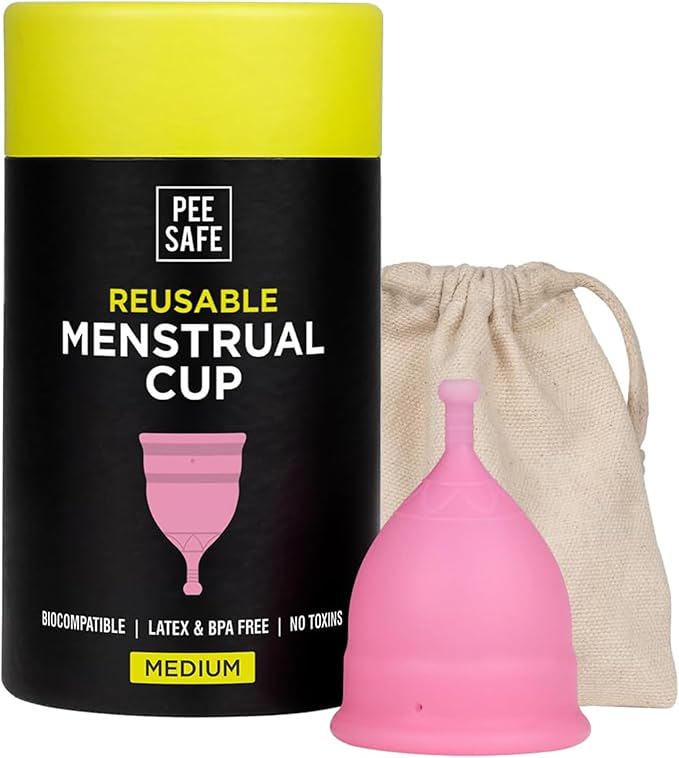
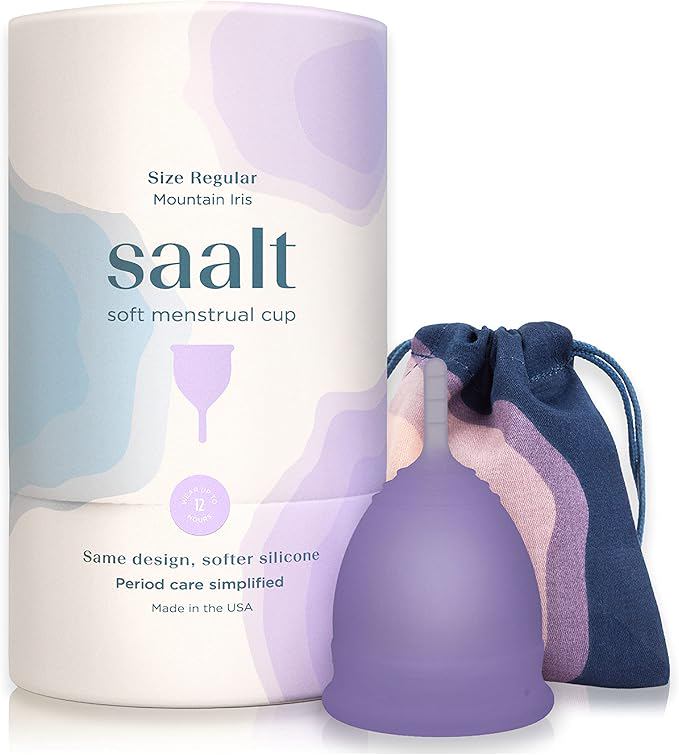
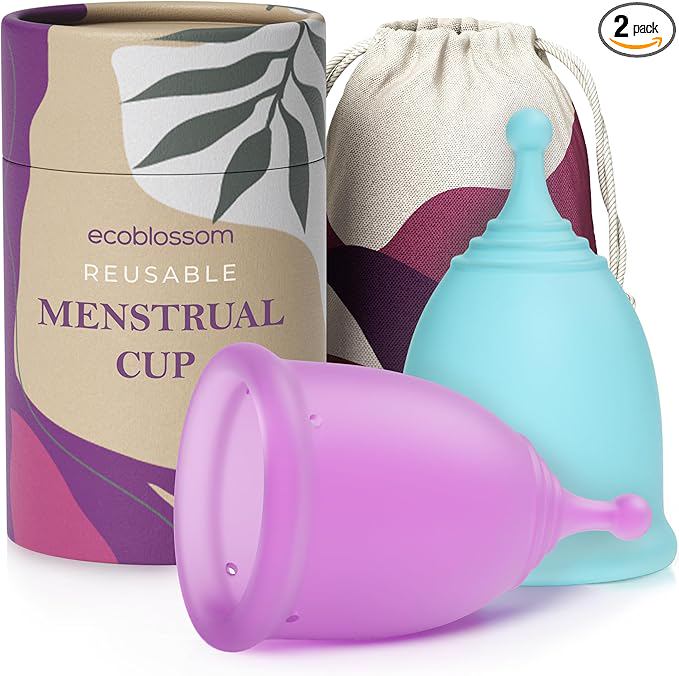
It is understandable to want to stretch a tampon or pad to its limit, especially during a busy workday or overnight. However, wearing any absorbent product for longer than four to six hours (for tampons) or eight hours (for pads and period underwear) creates a warm, moist environment where bacteria can thrive. This increases the risk of irritation, odor, and in rare but serious cases, toxic shock syndrome (TSS). A simple check: if you cannot remember the last time you changed your product, it has been too long. Set a gentle reminder on your phone, or switch to a period cup or disc, which can be worn up to 12 hours and may encourage a more mindful emptying schedule.
You Experience Frequent Breakouts or Rashes on Your Inner Thighs or Buttocks
Recurring red bumps, heat rash, or pimples in the areas where pads or underwear elastic sit can be a sign that your current products are causing friction or trapping moisture against the skin. This is especially common with synthetic, non-breathable pad backings or tight-fitting menstrual underwear made from polyester blends. Switching to cotton-based, breathable products or using a menstrual cup (which collects rather than absorbs) can dramatically improve skin health in these areas. Additionally, changing pads more frequently and allowing your skin to air out between changes can help prevent folliculitis and contact dermatitis.
You Have Changed Birth Control or Hormonal Medications Recently
Hormonal shifts—whether from a new birth control pill, an IUD, the implant, or perimenopause—can change the volume, consistency, and frequency of your menstrual flow. A routine that worked perfectly for a light, regular period may be inadequate or uncomfortable for a heavier, clotter flow. “Many women don’t realize they need to reassess their absorbency level when their hormones shift,” notes Dr. Hegde. If you are suddenly leaking through products that used to work, or if you feel you need a super-plus tampon when you previously used regular, it’s a sign to re-evaluate. You may also want to explore period cups with higher capacity or period underwear designed for heavy flow days.
When to Check In with a Professional
While many hygiene adjustments can be made on your own, some symptoms warrant a visit to a gynecologist. If you experience pelvic pain, fever, unusual discharge (especially green or yellow), or sores in the genital area, those are not hygiene issues—they are medical ones. Likewise, if you are using a menstrual cup or disc and experience pain during insertion or removal, a healthcare provider can help ensure you are using the correct size and technique.
“Your menstrual hygiene routine should feel comfortable and neutral—not like a source of anxiety. If you’re constantly troubleshooting irritation, odor, or leakage, it’s time to listen to what your body is telling you.”
Ultimately, the best menstrual hygiene routine is one that works with your body, not against it. Small tweaks—like switching to unscented products, changing them on a timer, or choosing breathable fabrics—can make a significant difference in your comfort and health. And remember: your vaginal microbiome is a delicate ecosystem. Treat it with the same respect you give your gut or skin.