
Get Advice
Home mind sleep 4 warning signs your diet is undermining your sleep hygiene
sleep 1 min read

4 warning signs your diet is undermining your sleep hygiene

Written By Zoe Clarke
May 29, 2026
Reviewed by   Sophia Lane, PsyD
Gut health advocate and fermentation hobbyist. I started writing about digestion after my own IBS journey — and never looked back.
4 warning signs your diet is undermining your sleep hygiene
4 warning signs your diet is undermining your sleep hygiene Source: Pixabay

You’ve blacked out the windows, dialed down the thermostat, and banished your phone from the bedroom. Yet you still lie awake, watching the hours tick by. If your sleep hygiene routine feels like it’s failing, the culprit might not be your bedtime habits at all—it could be what you ate and drank hours earlier.

The connection between nutrition and sleep is more immediate than most people realize. Certain foods and beverages can quietly dismantle your body’s natural sleep architecture without you making the connection. Here are four signs that your daily diet is undermining the quality rest you’re working so hard to protect.

Related FAQs
Yes. Eating a large meal within two hours of sleep forces your digestive system to stay active, which raises your core body temperature and can interfere with the natural drop in temperature needed for deep sleep. It also increases the risk of acid reflux, which can wake you up even if you aren't fully aware of it.
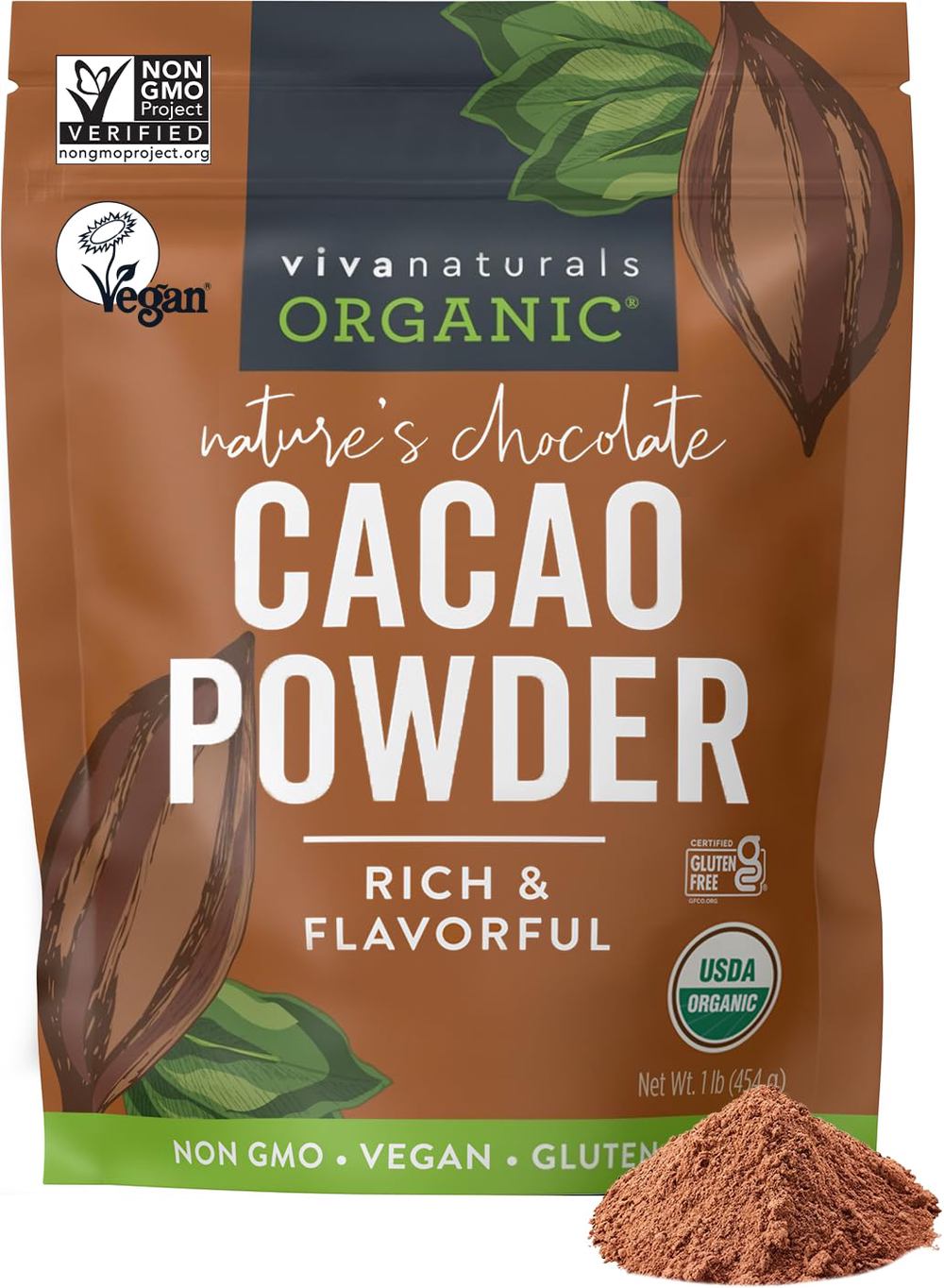
Absolutely. Dark chocolate, in particular, contains significant caffeine and theobromine—a stimulant compound similar to caffeine. A single ounce of dark chocolate can have 12 to 25 milligrams of caffeine. For people sensitive to stimulants, an evening square of dark chocolate can be enough to delay sleep onset or lighten sleep quality.
Look for hidden caffeine sources. Green tea, black tea, and some herbal "energy" blends contain caffeine. So do matcha, yerba mate, guarana products, certain sodas, and even decaf coffee (which still has small amounts). Also check over-the-counter headache medications, pre-workout supplements, and protein bars—many contain undisclosed caffeine.
Low iron levels are associated with restless legs syndrome, an uncomfortable urge to move your legs that typically worsens at night and can make falling asleep extremely difficult. If you experience a creeping or crawling sensation in your legs when you lie down and have trouble sitting still in the evenings, it is worth discussing iron deficiency with a healthcare provider.
Key Takeaways
  • Hidden stimulants in foods like dark chocolate and green tea can impair sleep even hours after consumption.
  • High-sugar and refined-carbohydrate meals cause blood sugar roller coasters that lead to middle-of-the-night wakefulness.
  • Heavy evening meals close to bedtime raise core body temperature and trigger acid reflux, fragmenting sleep cycles.
  • Alcohol may help you fall asleep initially but reliably suppresses REM sleep and causes nighttime awakenings.
  • Low iron and magnesium levels can create physical restlessness that makes staying asleep difficult.
Medical Note
This article is for informational purposse only and should not be taken asanb caring teotio ongpontyBeotot bacnts Spotiroeprofestional medical loloice. Awwver consux with a healthcart-professenar-tal for medical advice and ineatment.
Comments
  • No comments yet. Be the first to share your thoughts.
Leave a Comment
Login with Google to comment.
Looking for more personalized guidance?
Explore expert-informed wellness content tailored to your health interests and goals.
Get Advice
Recommended for
Your Health
Slay healthy with us
No recommended article
  • No recommended article
    No data
    -
    该列表没有任何内容
About the Author
Zoe Clarke
Sleep & Recovery Writer