
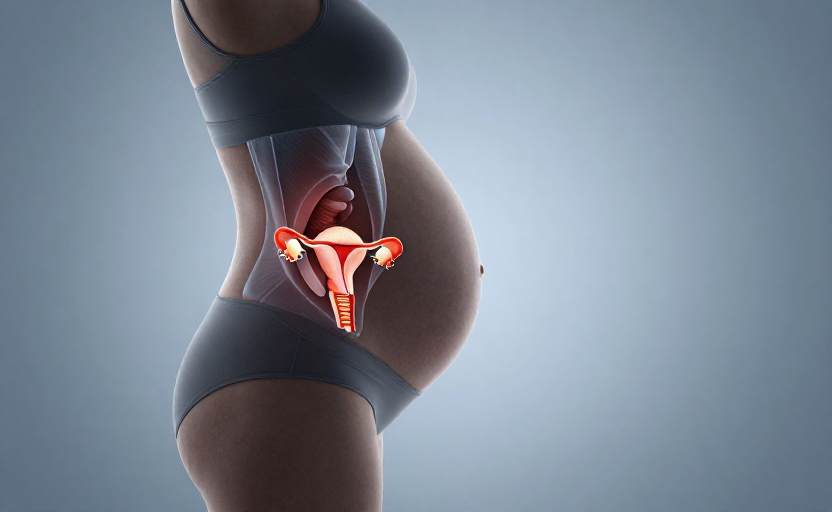
Pregnancy is a time of immense physical change. As your body accommodates a growing baby, the pelvic floor—a hammock-like group of muscles and connective tissues at the base of the pelvis—undergoes significant strain. Many women chalk up new aches, leaks, or feelings of pressure to 'just part of pregnancy,' but some symptoms point to pelvic floor dysfunction (PFD). Recognizing the warning signs early can help you seek the right support, potentially making a real difference in your comfort now and your recovery after delivery.
The key is not to dismiss these signals. Pelvic floor dysfunction is highly treatable, especially when caught early. If you're pregnant and experiencing any of the issues below, it's not a sign you've done something wrong—it's a sign your body is asking for some specialized attention. Let's break down four specific warning signs that warrant a conversation with your healthcare provider or a pelvic floor physical therapist.
1. Urinary Leakage That Goes Beyond a 'Sneeze'
A little leak when you cough, sneeze, laugh, or jump is often normalized, but it's not inevitable. While the added weight of the uterus puts pressure on the bladder, involuntary leakage during pregnancy is a classic sign that your pelvic floor muscles aren't coordinating properly with your urethra. This is known as stress urinary incontinence.
It's not just about occasional drips. Pay attention if:
- You leak more than just a few drops, especially when changing positions or lifting something.
- You start wearing panty liners daily 'just in case' before your third trimester.
- You feel a sudden, strong urge to urinate and can't make it to the bathroom in time (urgency incontinence).
Many women assume this is a normal price of pregnancy, but it's actually a strong signal that the pelvic floor muscles are struggling to support the bladder neck under pressure. A pelvic floor therapist can teach you proper activation techniques—not just Kegels—to improve that support.
2. A Persistent Sense of Vaginal Heaviness or Pressure
Feeling like there's a weight, a ball, or something 'falling out' in your vaginal area is a red flag that should not be ignored. This sensation of pelvic pressure, which may worsen as the day goes on or after standing for long periods, can indicate pelvic organ prolapse (POP). In pregnancy, increased intra-abdominal pressure and hormonal changes that loosen ligaments can cause the bladder, uterus, or rectum to descend into the vaginal canal.
You might also notice:
- A dull ache in the lower back or pelvis.
- A feeling of tissue bulging into the vaginal opening, especially during bowel movements.
- Difficulty fully emptying your bladder or bowels because the prolapse is blocking the outlet.
While prolapse during pregnancy often improves after delivery, ignoring the pressure can lead to worsening symptoms. A physical therapist can guide you on supportive strategies like proper lifting mechanics and breath work to reduce downward pressure on the pelvic floor.
3. Painful Intercourse or Pelvic Pain That Persists
Sex can become uncomfortable during pregnancy for many reasons—ligament pain, changing positions, or simply not being in the mood. But if you experience sharp, stabbing, or burning pain during penetration (or even when inserting a tampon or undergoing a pelvic exam), this often points to a pelvic floor that is too tight or has trigger points.
This is known as high-tone pelvic floor dysfunction. The muscles are in a constant state of spasm or tension, which can be just as problematic as weakness. Warning signs include:
- Pain at the vaginal opening (vulvodynia) or deep inside the pelvis.
- Pain that lingers for hours after intercourse.
- General pelvic pain that isn't connected to round ligament pain or Braxton Hicks contractions.
Many women feel embarrassed to bring this up, but it's crucial. A skilled therapist can manually release these tight muscles and teach you diaphragmatic breathing and relaxation techniques to help your pelvic floor let go.
4. Difficulty with Bowel Movements or Uncontrolled Gas
Constipation is nearly universal in pregnancy, but when it's accompanied by an inability to fully empty your bowels, excessive straining, or accidentally passing gas during a cough or laugh, your pelvic floor coordination is likely off.
The pelvic floor muscles must relax and lengthen to allow a bowel movement. If they are too tense (like in high-tone dysfunction), you may feel like you're trying to push through a closed door. If they are too weak or uncoordinated (due to nerve damage or poor activation), you may not have the squeeze power to 'cut off' gas. Look for:
- Having to use your fingers to assist with stool evacuation (splinting).
- Feeling like you still need to go immediately after a bowel movement.
- Unexpected gas leakage, especially when bending over or lifting.
These symptoms are not just embarrassing—they indicate that your pelvic floor isn't responding to your brain's signals correctly. A pelvic floor therapist can retrain this neuromuscular connection, often resolving constipation and gas issues without harsh laxatives.
Editor's Note: Pelvic floor dysfunction is not your fault. It's a mechanical and neurological issue, not a failure of your body. Seeking help from a pelvic floor physical therapist during pregnancy can be transformative for both your third trimester comfort and your postpartum recovery. No symptom is too small to mention.