
Hormonal contraceptives are highly effective, but they can come with a range of side effects that make the first few months challenging. Common complaints include nausea, headaches, breast tenderness, mood swings, breakthrough bleeding, and weight changes. While many of these symptoms fade as your body adjusts, others may persist and interfere with your daily life.
The good news is that you are not without options. From simple dietary adjustments to prescription changes, there are several evidence-backed ways to manage these unwanted effects. Here are four treatment paths to discuss with your healthcare provider.
1. Targeted Dietary Changes
Your diet can play a surprisingly supportive role in easing several contraceptive-related symptoms. For nausea, which is most common with estrogen-containing pills, taking your pill with a small meal or right before bed can help. Some women find relief by eating bland crackers or a banana before their dose.
For fluid retention and bloating, reducing your sodium intake and increasing potassium-rich foods like bananas, sweet potatoes, and spinach can help your body maintain a steadier fluid balance. Mood swings may improve when you focus on blood-sugar-stabilizing meals that combine protein, healthy fats, and complex carbohydrates—think an apple with almond butter rather than a sugary snack.
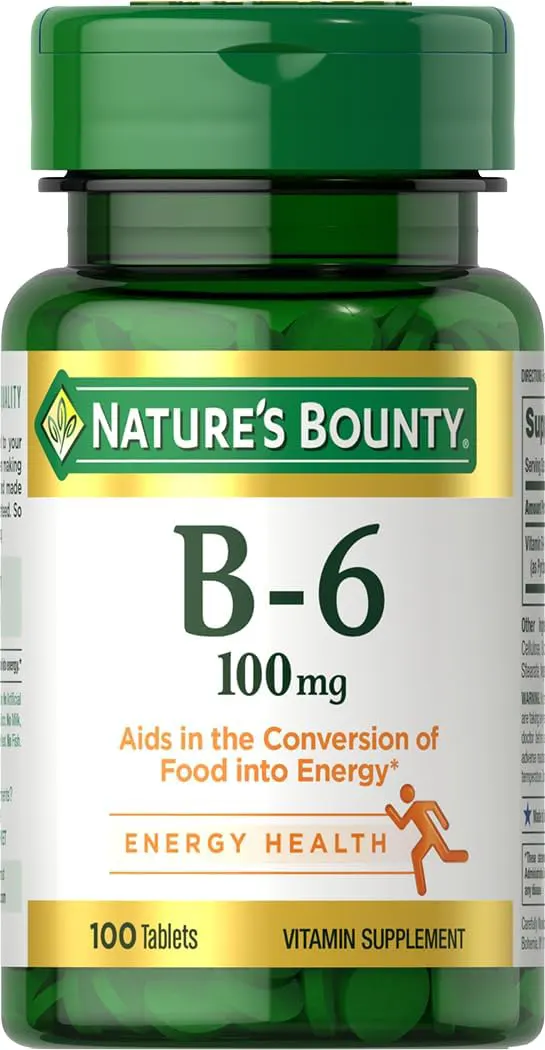
Tip: Try vitamin B6 (pyridoxine) from food sources such as chickpeas, poultry, and fortified cereals. Some research suggests it may help reduce nausea and mood-related side effects in women using hormonal contraceptives.
2. Adjusting Your Pill Schedule or Type
Sometimes the issue is not the contraceptive itself but the delivery method or the specific hormone dose. If you are experiencing breakthrough bleeding (spotting between periods), a simple schedule change may not be enough, but switching to a pill with a slightly higher dose of estrogen could stabilize your uterine lining.
For those struggling with low libido or persistent headaches, a progestin-only pill (the “mini-pill”) or a non-hormonal method like the copper IUD may be a better fit. It is important to work with your clinician here: never skip pills or double up on your own. Your doctor can prescribe a different formulation or recommend a lower-dose option that still provides reliable protection.
When timing matters
If you take a combined pill and your side effects are worst during the placebo week (the week of bleeding), your provider may have you try an extended-cycle regimen. This means taking active pills continuously for three months, which reduces the frequency of hormone withdrawal and the symptoms that come with it.
3. Over-the-Counter and Prescription Medications
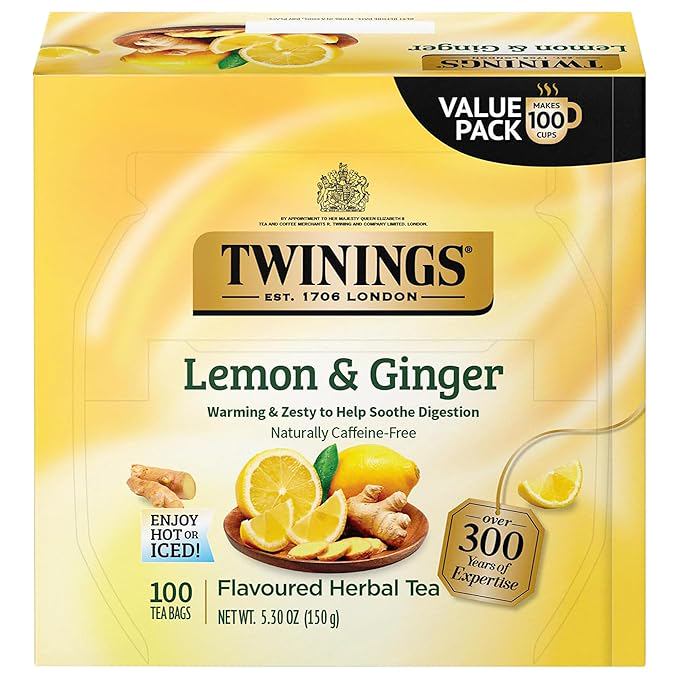
Several common side effects respond well to targeted medication. For nausea and vomiting, over-the-counter antihistamines like dimenhydrinate (Dramamine) or meclizine can be effective when taken as directed. Ginger supplements or ginger tea are also a well-tolerated option for mild nausea.
For headaches, acetaminophen (Tylenol) or ibuprofen (Advil) are generally safe to use with hormonal birth control, though it is always wise to check with your pharmacist if you have other medical conditions. Breast tenderness can be helped by wearing a supportive bra, reducing caffeine, and trying topical treatments like magnesium cream.
If you experience significant mood changes or depression, do not just wait it out. These symptoms may respond to an antidepressant or a switch to a different hormonal formulation. Your provider can help determine whether your mood symptoms are linked to the pill and what the safest next step is.
4. Complementary Approaches and Lifestyle Adjustments
Beyond diet and medication, lifestyle habits can make a real difference in how your body handles hormonal contraception. Regular aerobic exercise—such as brisk walking, cycling, or swimming—can help reduce bloating, improve mood, and support weight management. Aim for at least 150 minutes of moderate activity per week.
Stress management techniques like deep breathing, meditation, or gentle yoga may ease anxiety and emotional side effects. Some women find that acupuncture or acupressure bands (similar to those used for morning sickness) provide relief from persistent nausea.
Caveat: Always tell your healthcare provider about any herbs or supplements you plan to take. St. John’s Wort, for example, can reduce the effectiveness of hormonal birth control.
When to Call Your Doctor
While most side effects are manageable, certain symptoms warrant a prompt call to your provider. These include:
- Severe headaches that are new or different from your usual headaches
- Chest pain, shortness of breath, or leg pain/swelling (possible signs of a blood clot)
- Yellowing of the skin or eyes (jaundice)
- Sudden vision changes or speech difficulties
- Heavy or prolonged breakthrough bleeding that soaks through a pad every hour
Your contraceptive method should fit your life, not make it harder. With a combination of dietary tweaks, medication adjustments, and lifestyle changes, most women can find a regimen that works without forcing them to live with constant discomfort.