
Blood pressure often behaves like a slow leak rather than a sudden burst. You might feel fine — busy, a little tired, maybe slightly off — while your numbers climb day by day. The body adapts quietly, and that adaptability is what makes hypertension so dangerous. By the time most people notice something is wrong, the reading is already elevated enough to raise eyebrows at a checkup.
High blood pressure rarely announces itself with fanfare. Instead, it sends small, ambiguous signals that are easy to dismiss or blame on stress, poor sleep, or aging. If you have been paying attention to your health but still feel something is off, these four signs might be the whispers your body is sending about rising pressure.
1. Morning headaches that fade
A dull headache at the back of your head, especially right after waking up, is one of the more common subtle signs of elevated blood pressure. During sleep, blood pressure naturally dips — a process called nocturnal dipping. When that dip does not happen, pressure stays higher throughout the night, and the result can be a throbbing or pressure-like headache in the morning.
These headaches typically ease within a few hours of getting up and moving around, which is why many people write them off as tension headaches or sinus congestion. The distinction matters: if you notice a pattern of morning headaches more than once or twice a week, it may be worth checking your blood pressure before you take anything for the pain.
A morning headache pattern — particularly at the back of the head — is one of the quieter clues that your nighttime blood pressure may not be dipping as it should.
2. Unusual fatigue or a heavy feeling
Not the kind of tiredness that follows a bad night of sleep, but a deeper, more persistent heaviness. Some people describe it as feeling like they are moving through water or that their limbs are harder to lift than usual. This can happen because the heart is working harder to pump blood against higher resistance in the arteries. Over time, that extra effort drains energy reserves.
Fatigue from high blood pressure is often accompanied by mild shortness of breath during activities that used to be easy — climbing a flight of stairs, carrying groceries, or even walking at a brisk pace. Because these symptoms overlap with being out of shape or simply getting older, they are rarely connected to blood pressure immediately.
3. Nosebleeds that come without a trigger
Occasional nosebleeds from dry air or minor bumps are normal. But nosebleeds that happen without an obvious cause — not after blowing your nose aggressively, not in dry winter air — can sometimes point to elevated pressure inside the small blood vessels of the nasal passages. High blood pressure makes these fragile vessels more prone to rupture.
This sign is often overlooked because nosebleeds are common and usually harmless. The key is the context: if you have multiple unexplained nosebleeds over a short period, especially if you have other subtle symptoms on this list, it is reasonable to ask your healthcare provider about a blood pressure check. The same goes for bloodshot eyes that appear frequently without eye strain or allergies.
4. A subtle flushing or warmth in the face
Many people assume that facial flushing and a reddened complexion mean blood pressure is high in the moment. While that can happen, a more telling pattern is a warm sensation or persistent pinkness that comes and goes irregularly, especially when you are not exerting yourself or feeling embarrassed. This flushing happens because high pressure dilates blood vessels near the skin's surface as the body tries to manage the load.
Unlike the sudden redness of a hot flash or a sunburn, this type of flushing tends to be patchy and transient. It is an easy symptom to attribute to weather, spicy food, or skincare products. But if you notice your face feels warm or looks flushed more often than it used to, and you cannot pin it on an obvious cause, it is worth keeping an eye on your numbers.
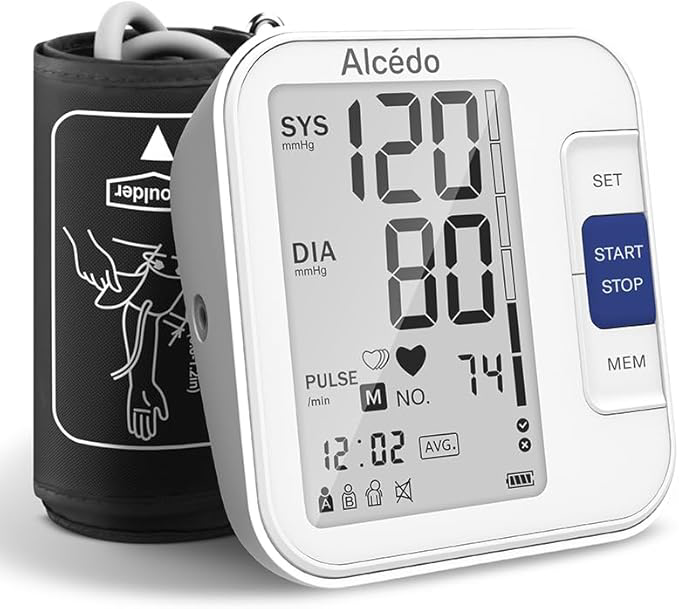
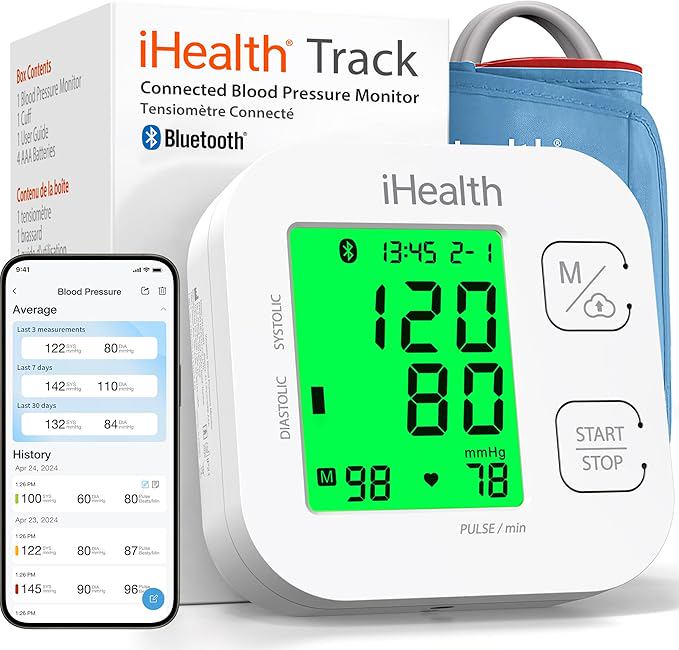
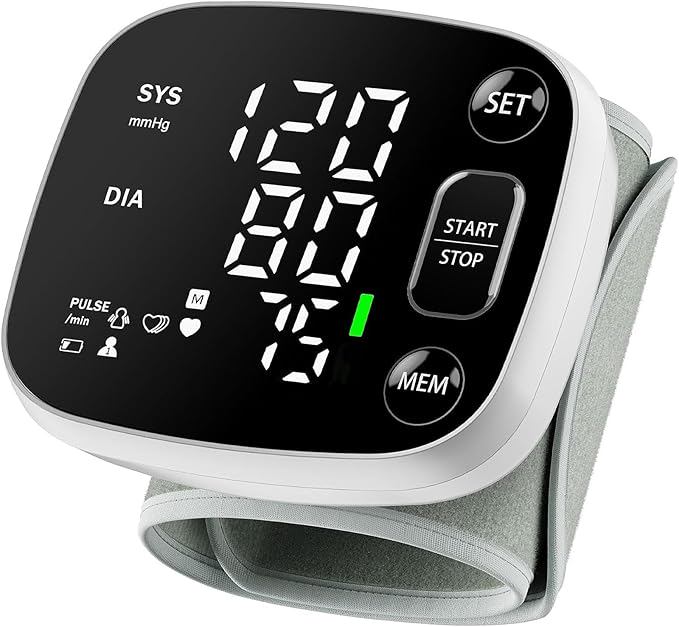
None of these signs alone confirm high blood pressure. They are clues, not diagnoses. The most reliable way to know what is happening is to measure your blood pressure at home with a validated monitor, ideally at the same time each day. If your readings consistently run above 130/80 mmHg, that is a signal to talk to your doctor — not to panic, but to plan.
Blood pressure responds well to early attention. Small changes in diet, salt intake, physical activity, and stress management can make a real difference before the numbers climb into a range that requires medication. The silent signs are only silent until you start listening.