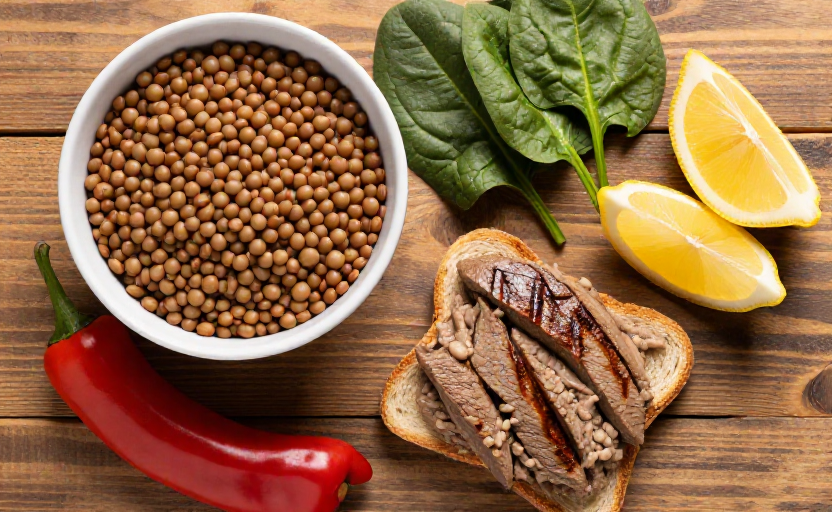
Heavy menstrual flow, medically known as menorrhagia, affects many women at some point in their lives. Beyond the inconvenience and discomfort, one of the most common consequences is a dip in iron stores. When you lose more blood than average each month, your body has to work harder to replenish the red blood cells and hemoglobin that go with it. That's why adding specific iron-rich foods to your daily meals can make a tangible difference in how you feel — from your energy levels to your ability to concentrate.
While iron supplements are sometimes recommended by a healthcare provider, food-based sources offer a gentler, more sustainable way to support your body’s needs. Here are four iron-rich foods worth adding to your routine if you regularly deal with heavy periods.
Why heavy flow depletes your iron
During a typical menstrual cycle, a woman loses about 30 to 40 milliliters of blood. With heavy flow, that number can double or triple. Since iron is a key component of hemoglobin — the protein in red blood cells that carries oxygen — losing extra blood means your body needs extra iron to keep up. If your intake doesn't match the loss, you can tip into iron deficiency, and eventually, iron-deficiency anemia. The symptoms are familiar to many: fatigue, pale skin, shortness of breath, dizziness, and brittle nails. Adjusting your diet to proactively include iron-rich foods can help you avoid that slide.
1. Red meat (especially lean beef and lamb)
Red meat is one of the most efficient sources of heme iron, the type your body absorbs most readily. A 3-ounce serving of lean beef provides roughly 2 to 3 milligrams of iron, plus a healthy dose of vitamin B12 and zinc — both important for red blood cell production and immune function. For women managing heavy flow, a modest portion of red meat two to three times per week can have a noticeable impact on energy. Lamb is a similarly good option. If you're someone who avoids red meat, don't worry — the other foods on this list will work, but you may need to pair them more intentionally with vitamin C to boost absorption.
A practical tip: Cook beef or lamb with a splash of lemon juice or serve alongside bell peppers to further enhance iron uptake.
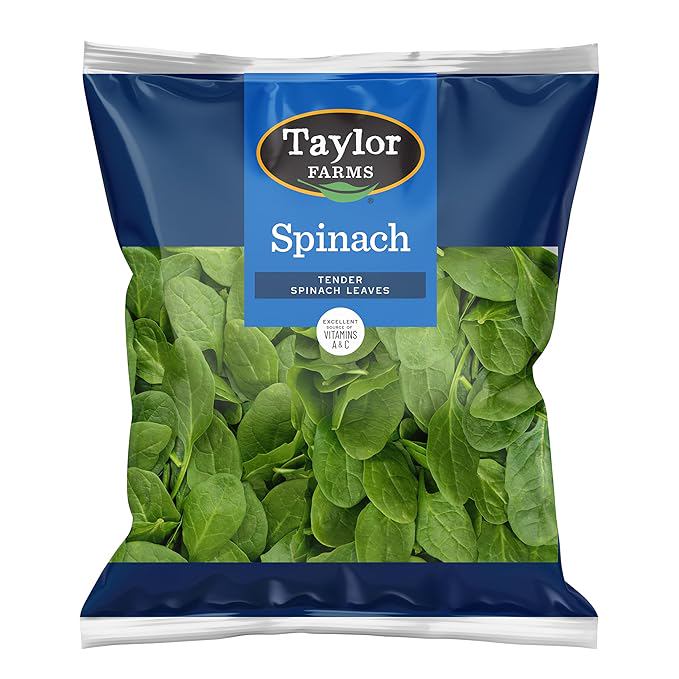
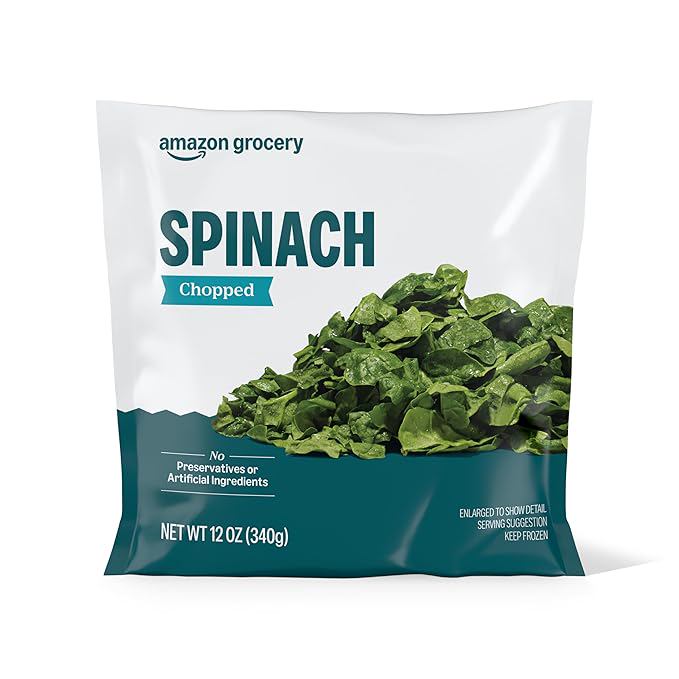
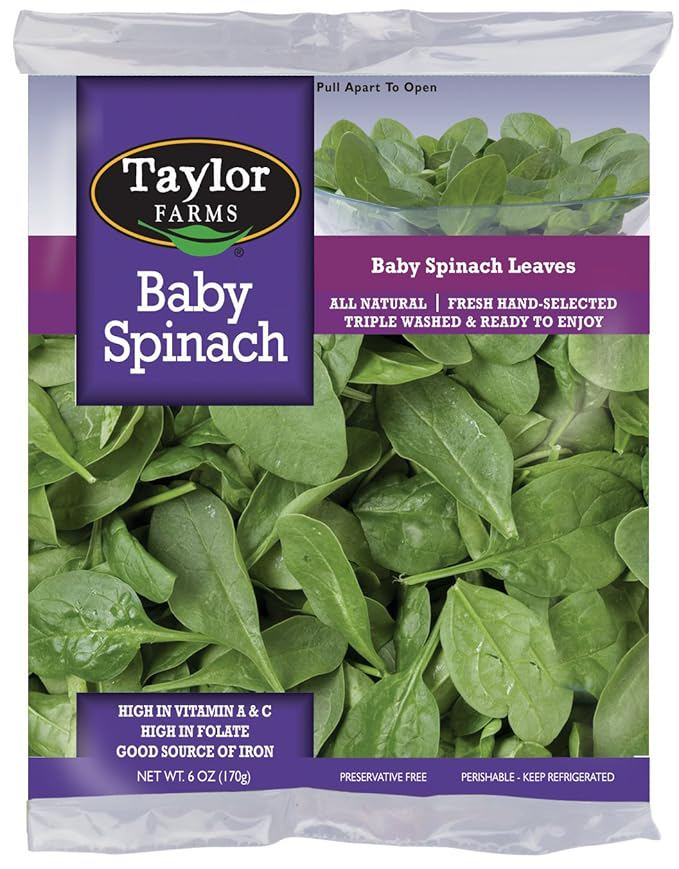
2. Leafy green vegetables (spinach, kale, and swiss chard)
Dark leafy greens are a well-known source of non-heme iron, which is the plant-based form. While non-heme iron is absorbed less efficiently than heme iron, greens bring other valuable nutrients to the table — folate, magnesium, and vitamin K, all of which support blood health and clotting. One cup of cooked spinach contains about 6 milligrams of iron, which is more than a similar serving of beef, though your body will absorb less of it. The trick is to eat them in combination with something acidic or high in vitamin C. Toss spinach into a bowl with strawberries and a citrus vinaigrette, or sauté kale with a squeeze of orange juice. That small pairing habit can double or triple the absorption of the iron present.
3. Legumes (lentils, chickpeas, and kidney beans)
Lentils are an unsung hero when it comes to iron. A single cup of cooked lentils delivers around 6.6 milligrams of iron, along with fiber and plant-based protein that help keep your blood sugar stable — a bonus when hormonal fluctuations from heavy periods can already mess with your mood and cravings. Chickpeas and kidney beans are just behind in iron content and offer similar benefits. Legumes are versatile enough to work in soups, salads, grain bowls, or even blended into dips like hummus. Because the iron in legumes is non-heme, again, pair them with a vitamin C source. Think lentil soup with a squeeze of lemon, or a chickpea salad with diced tomatoes and red peppers.
4. Organ meats (liver, especially chicken or beef liver)
Organ meats are perhaps the most concentrated iron source available. A small 3-ounce serving of beef liver contains about 5 milligrams of iron, plus extremely high levels of vitamin A, copper, and B vitamins, all of which play roles in red blood cell formation and energy metabolism. Chicken liver is also excellent and has a milder flavor that some find easier to incorporate. If the idea of eating liver is unappealing, you can start small — mix a small amount of minced liver into ground meat for meatballs or Bolognese sauce. Pâté is another gentle entry point. Even a single serving per week can give your iron stores a significant boost without overwhelming your palate.
How to maximize iron absorption from food
Knowing which foods contain iron is only half the equation. Your body's ability to absorb that iron depends heavily on what else you eat and when. Vitamin C is the most powerful absorption enhancer for non-heme iron, so always look for ways to add citrus fruits, berries, bell peppers, broccoli, or tomatoes to your iron-rich meals. On the flip side, certain compounds can block absorption. Tannins in tea and coffee, calcium in dairy products, and phytates in whole grains and legumes can all reduce how much iron you actually get from a meal. A simple workaround: wait an hour after eating an iron-rich meal before having your tea or coffee, and avoid taking calcium supplements at the same time as iron-rich foods.
When diet isn't enough
If heavy menstrual flow has been going on for months, or if you've already been diagnosed with anemia, food alone may not be sufficient to bring your levels back up. In those cases, your doctor may recommend an iron supplement or investigate the underlying cause of your heavy bleeding — which could be anything from fibroids to hormonal imbalances to a bleeding disorder. Your diet should support your body's needs, but it's not a substitute for medical evaluation. Pay attention to persistent fatigue, rapid heart rate, or unusual shortness of breath during normal activities. Those are signs that your iron stores may be critically low and that professional guidance is needed.
Building meals around these four iron-rich foods — red meat, leafy greens, legumes, and organ meats — can help offset the monthly loss and keep your energy steady. With intentional pairing and a little planning, you can make every bite count toward better blood health.