Recovery after a stroke is a marathon, not a sprint. While medications and physical therapy are often the main focus, what you put in your glass each day can play a meaningful supporting role. For survivors and caregivers alike, the goal is to nourish the body without overwhelming it—especially the cardiovascular system, which needs to work efficiently to support brain healing.
The right beverages can help manage blood pressure, reduce inflammation, and support steady hydration. Below are four drinks worth considering as part of a post-stroke recovery plan, each backed by a solid understanding of how they interact with heart and brain health.
1. Unsweetened Pomegranate Juice
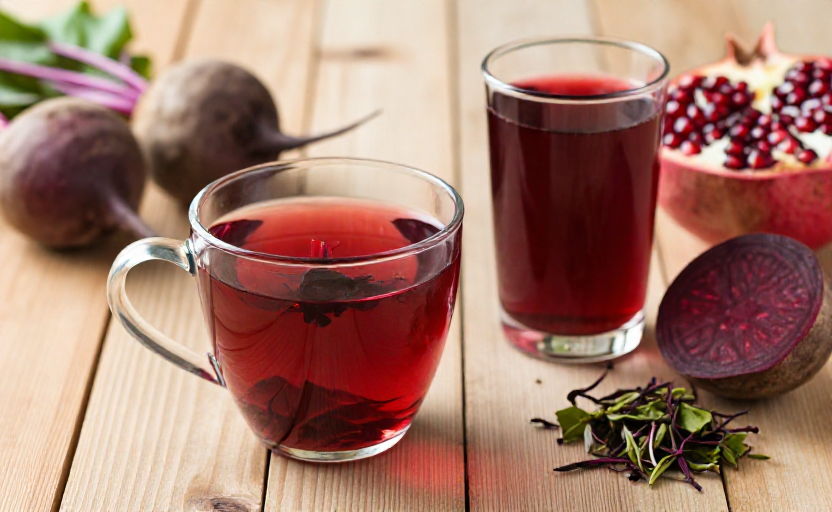
Pomegranate juice has earned attention for its high concentration of polyphenols, particularly punicalagins and anthocyanins. These compounds are potent antioxidants that help combat oxidative stress—a key factor in the vascular damage that can follow a stroke.
Research suggests that regular consumption of unsweetened pomegranate juice may help lower blood pressure and improve arterial flexibility. For someone recovering from a stroke, maintaining pliable, healthy arteries is essential for proper blood flow to the brain.
Tip: Look for 100% pomegranate juice with no added sugar. A small glass (4 ounces) diluted with water or sparkling water is often enough to get benefits without spiking blood sugar.
2. Hibiscus Tea
Hibiscus tea, made from the dried calyces of the Hibiscus sabdariffa flower, is a tart, ruby-red herbal infusion that has been studied for its ability to lower systolic and diastolic blood pressure. In fact, some trials have found hibiscus tea comparable to mild antihypertensive medications in people with mild to moderate hypertension.
Since high blood pressure is the single most significant risk factor for both initial and recurrent strokes, keeping numbers in a healthy range is a top priority during recovery. The anthocyanins and organic acids in hibiscus work as natural ACE inhibitors, relaxing blood vessels and improving circulation.
Brew it hot or iced—just avoid adding sugar. A small squeeze of lemon can enhance flavor without negating the benefits.
3. Beetroot Juice
Beetroot is rich in dietary nitrates, which the body converts into nitric oxide. Nitric oxide is a vasodilator, meaning it helps widen blood vessels, lower blood pressure, and improve blood flow. For stroke survivors, enhanced circulation can support the delivery of oxygen and nutrients to damaged brain tissue.
A 2020 meta-analysis published in The Journal of Nutrition confirmed that beetroot juice significantly reduces both systolic and diastolic blood pressure. The effects are most pronounced within a few hours of consumption, making it a strategic choice as part of a daily routine.
To make it more palatable, blend raw beetroot with a bit of carrot and ginger. Start with small amounts (2–4 ounces) to see how your body responds, especially if you are prone to low blood pressure or kidney stones.
4. Green Tea (Decaffeinated)
Green tea is one of the most extensively studied beverages for cardiovascular health. Its catechins, especially epigallocatechin gallate (EGCG), have been shown to reduce inflammation, improve endothelial function, and lower LDL cholesterol levels.
For post-stroke recovery, the benefits go beyond the heart. EGCG may also possess neuroprotective properties, potentially helping to reduce secondary brain injury and support cognitive recovery. However, caffeine can be a concern for some stroke survivors, especially those with arrhythmias or sleep disturbances.
What to do: Choose decaffeinated green tea to get the antioxidants without the stimulant effects. Steep it for 3–4 minutes in water that is hot but not boiling (around 175°F) to preserve the delicate catechins.
Hydration itself is a cornerstone of recovery. Even mild dehydration can thicken the blood and make it harder for the heart to pump. While the four drinks above offer targeted benefits, plain water remains the foundation of any good hydration plan. Always discuss significant dietary changes with your healthcare team, particularly if you are on blood thinners or blood pressure medications.