Getting tested for sexually transmitted infections (STIs) is a responsible step for anyone who is sexually active. But here's the catch: the accuracy of your results doesn't depend solely on the lab. What you do in the hours—and even days—before your test can quietly skew the outcome, leading to a false negative or, less commonly, a false positive. Understanding these factors helps you walk into the clinic confident that the result you get is the truth your body is telling.
Below are four common habits that can interfere with STI test accuracy, along with practical guidance for avoiding them before your next appointment.
1. Urinating too close to the appointment
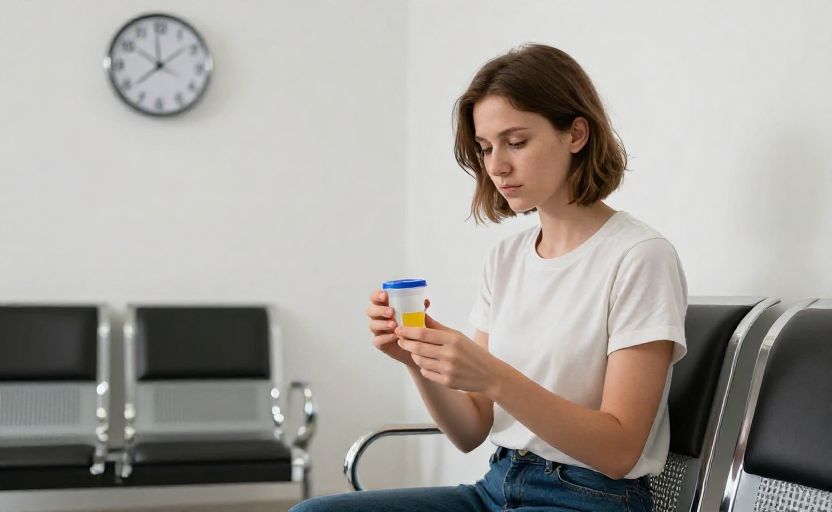
If you are scheduled for a urine-based STI test—often used to detect chlamydia and gonorrhea—the timing of your last bathroom break matters more than you might think. When you empty your bladder shortly before providing a sample, you flush away the bacteria that may be present, diluting the concentration below the test's detection threshold.
Most clinics advise holding your urine for at least one to two hours before the test. This waiting period allows any bacteria to accumulate in the urethra, giving the lab a fair shot at catching an infection if one exists. If you cannot hold it that long, let the front desk know; they may advise rescheduling or switching to a swab-based test that does not depend on a full bladder.
A quick tip: Drink normally, but time your last bathroom visit so you arrive with a comfortable, not urgent, need to go.
2. Using douches, creams, or vaginal medications
Anything you insert or apply inside the vagina in the 24 to 48 hours before a test can wash away, dilute, or mask the organisms that the lab is looking for. Douching is the most notorious culprit—it physically flushes out discharge and bacteria. Vaginal creams, suppositories, spermicides, and even some lubricants can also interfere with swab-based tests for trichomoniasis, bacterial vaginosis, and yeast infections.
The rule of thumb is straightforward: avoid douching and any vaginal products for at least 24 hours before your exam. If you are treating a known infection, let your clinician know what you are using and when you last used it. They can adjust the timing or choose a different collection method.
For men and people with penises, topical antifungal creams applied to the genitals can also interfere with swab tests for herpes or syphilis. If you are using any kind of medicated cream on the genital area, mention it to your provider.
3. Taking antibiotics or antiviral medications before the test
This might seem obvious, but it happens more often than people realize. If you have leftover antibiotics from a previous infection and start taking them because you suspect something new, you may suppress the bacterial load enough to produce a negative result on a chlamydia or gonorrhea test—even though the infection is still present. The same principle applies to antiviral medications (like valacyclovir or acyclovir) for herpes: they can reduce viral shedding to undetectable levels, especially if you take them just before a swab test.
Important: Do not stop prescribed medications without talking to your doctor. If you are on a daily suppressive therapy, ask your clinician whether you need a different testing method or if you should temporarily hold the medication before the test.
4. Not disclosing recent sexual activity or condom use
This is less about a physical habit and more about the information you share—or do not share—with your provider. Recent unprotected sex can introduce temporary changes in the vaginal or urethral flora that make certain tests harder to interpret. For example, a swab taken too soon after sex may pick up residual semen or lubricant, which can interfere with the analysis of samples for bacterial vaginosis or trichomoniasis.
Most guidelines recommend waiting at least 24 hours after vaginal or anal sex before collecting a swab sample for a full STI panel. Oral sex can also affect throat swabs for gonorrhea. Being open with your clinician about when you last had sex and whether you used protection allows them to choose the best test for your situation—and to interpret borderline results correctly.
How to prepare for your next STI test: a quick checklist
- Urine test: Hold your bladder for at least one to two hours before the appointment.
- Swab test (vaginal, anal, or throat): Avoid sex, douching, creams, and medications for 24 hours before the test.
- Blood test: Fasting is usually not required for STI blood work (HIV, syphilis, hepatitis), but follow your clinic's specific instructions.
- Medications: Tell your provider about any antibiotics or antivirals you are taking, even if they were prescribed for another reason.
- Honesty: Disclose recent sexual activity, symptoms, and concerns—no matter how awkward it feels. Your clinician is not there to judge; they are there to get you an accurate result.
What if I already made a mistake?
If you realize after your test that you did something on this list—urinated right before, used a cream, or took a medication—do not panic. Contact the clinic and let them know. In many cases, they can note it on the lab slip so the result is interpreted with that context. Occasionally, they may ask you to come back for a retest. This is far better than walking around with a false sense of security from a negative result that might not be accurate.
STI testing is one of the most effective tools we have for protecting your health and the health of your partners. A small amount of preparation goes a long way toward ensuring the test result you get is the one you can trust.