Heat styling can leave curls feeling brittle, lifeless, and prone to breakage. While a deep conditioning mask or a trim helps in the short term, what you put on your plate plays a major role in how your hair recovers over time. Dietitians agree that targeted nutrients—specifically protein, healthy fats, and antioxidants—support the hair shaft and scalp from the inside out. If you are working to revive curl definition and elasticity after heat damage, these four foods are worth adding to your grocery list.
Salmon for Omega-3s and Protein
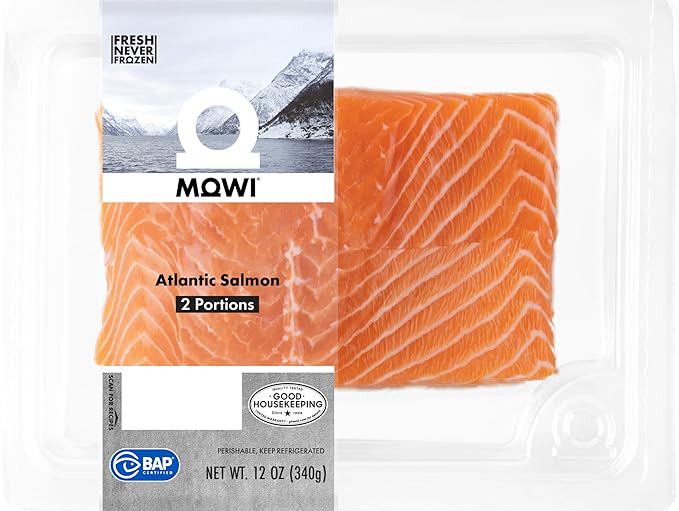
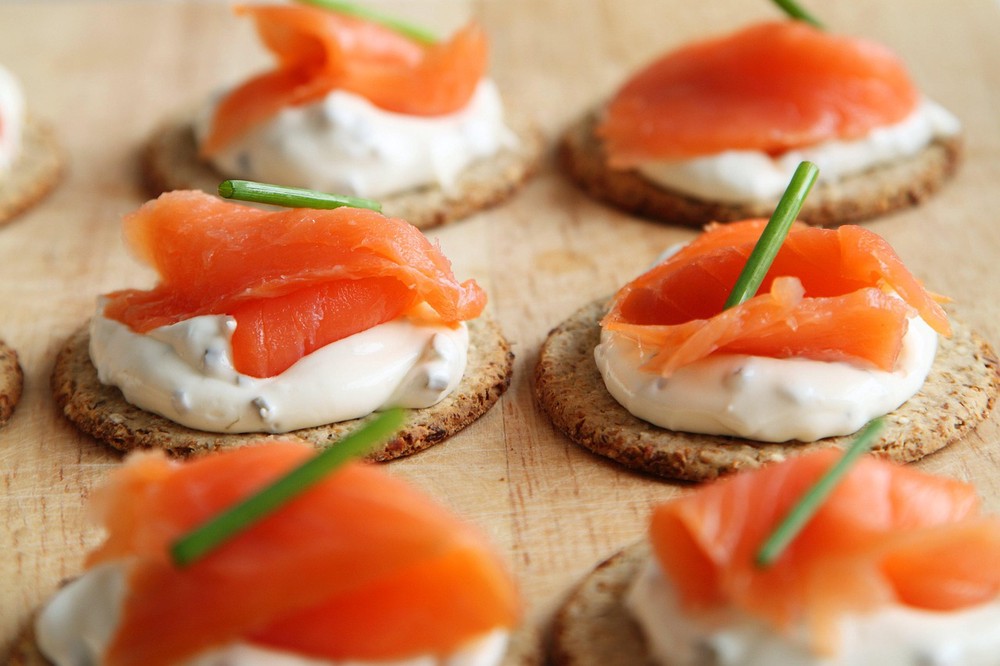
Salmon is one of the most nutrient-dense options for hair repair. It provides high-quality protein, which is the building block of keratin—the structural protein that makes up your hair strands. After heat damage, the outer cuticle can become raised and weakened. Protein helps reinforce the hair fiber, reducing breakage over time.
Salmon is also rich in omega-3 fatty acids. These healthy fats nourish the scalp and support the natural oil barrier that keeps curls moisturized. A well-hydrated scalp encourages better hair growth and helps prevent the dry, crunchy texture that often follows excessive heat styling. Dietitians suggest eating two servings of fatty fish per week for noticeable benefits.
Eggs for Biotin and Sulfur
Eggs are a concentrated source of biotin (vitamin B7), a nutrient closely tied to healthy hair growth. Biotin supports the production of keratin, which is essential for rebuilding damaged strands. A deficiency in biotin can contribute to thinning hair and slow regrowth, both of which can be more obvious in textured hair after heat exposure.
Eggs also provide sulfur-containing amino acids. Sulfur is part of the keratin structure itself, and it helps strengthen the hair shaft from the inside. For curls that have lost their spring, eating whole eggs (yolk included) gives you the full spectrum of these hair-supporting nutrients. Scrambled, poached, or boiled, they are an easy addition to a recovery-focused diet.
Spinach for Iron and Vitamin A
Spinach is a powerhouse for anyone concerned about hair density and curl strength. It is rich in iron, a mineral that helps red blood cells carry oxygen to hair follicles. When follicles are starved of oxygen—often due to low iron stores—hair growth slows and strands may become finer and more prone to shedding. Heat-damaged hair needs optimal follicle health to support new growth that is strong and defined.
Spinach also supplies vitamin A, which helps the scalp produce sebum. Sebum is the natural oil that coats the hair shaft, adding shine and protecting against further dryness. For curly hair, which tends to be drier than straight hair by nature, maintaining that moisture barrier is critical after heat damage. A daily handful of raw or lightly cooked spinach can make a difference over several weeks.
Avocado for Vitamin E and Healthy Fats
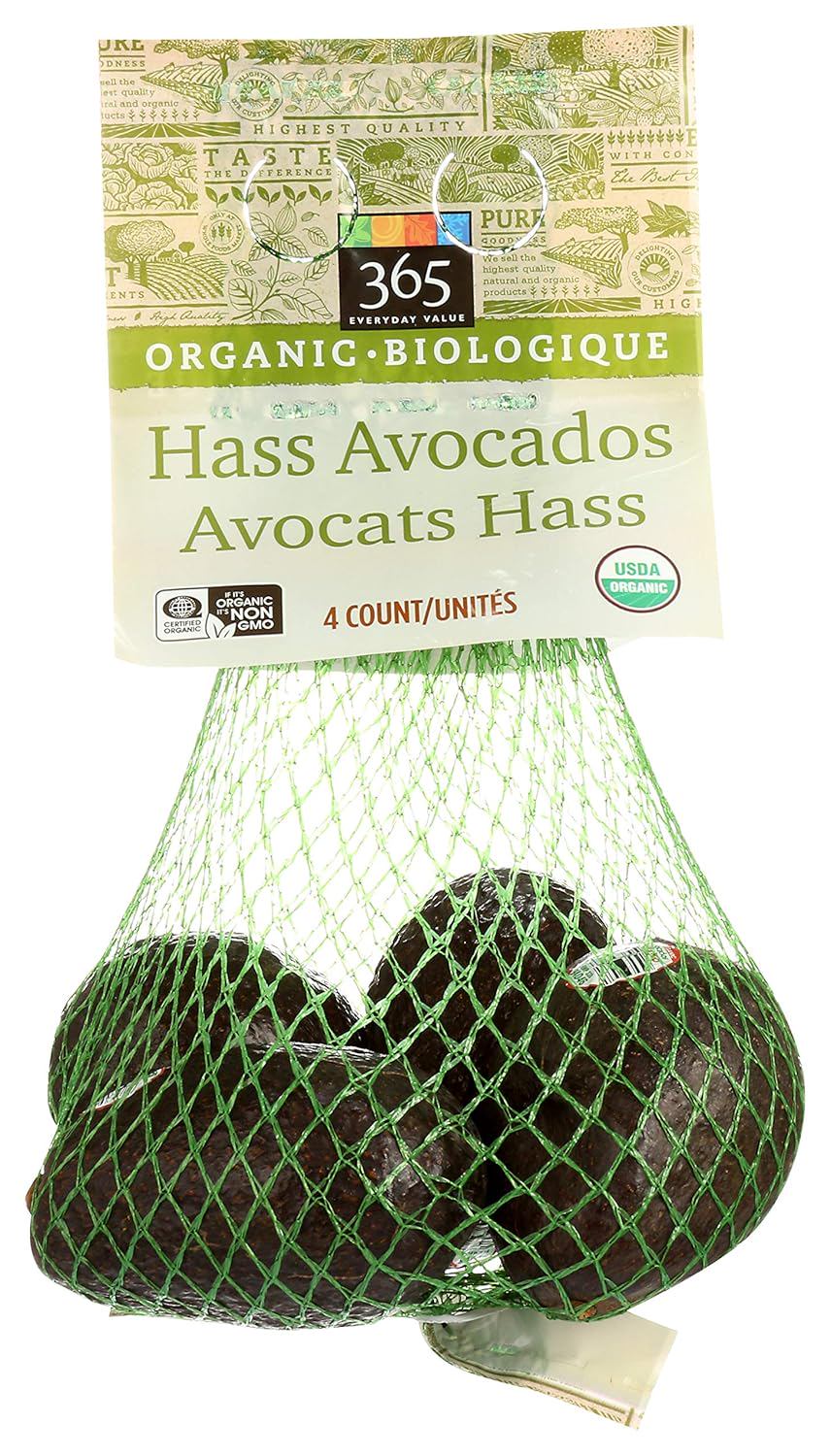
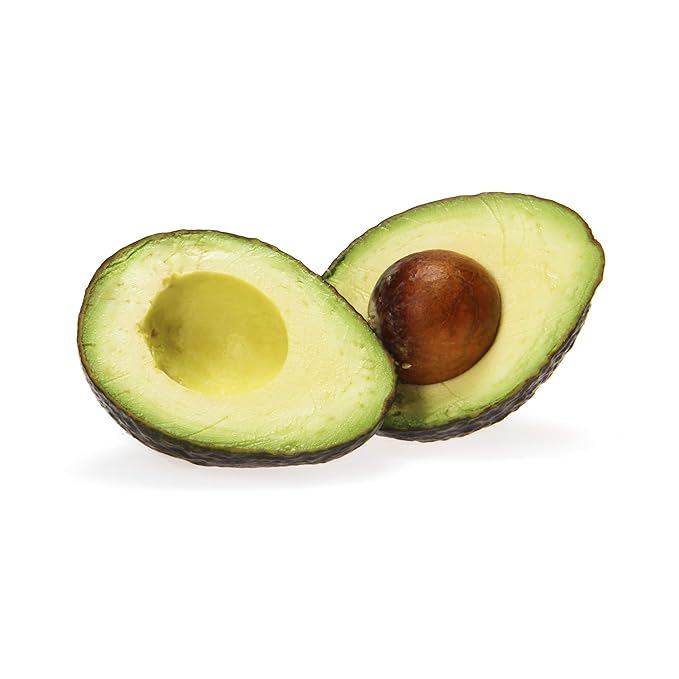
Avocado provides monounsaturated fats that help seal moisture into the hair cuticle. This is especially useful for heat-damaged curls, which often lose water more quickly than healthy hair. When the cuticle is compromised, moisture escapes easily, causing frizz and dullness. The fats in avocado support the cell membranes of hair follicles, improving hydration from the inside out.
Avocado is also one of the best food sources of vitamin E, a fat-soluble antioxidant that protects hair cells from oxidative stress. Heat styling generates free radicals that can weaken the hair follicle over time. Vitamin E helps neutralize that damage, potentially supporting healthier regrowth and stronger existing strands. Adding half an avocado to a salad, smoothie, or toast gives your curls a steady supply of this protective nutrient.
A Note on Consistency and Patience
Dietitians emphasize that no single food can reverse heat damage overnight. Hair grows slowly—about half an inch per month on average—so improvements in new growth take time to appear. The goal of eating for stronger curls is to provide the ongoing nutritional support that allows the hair that is growing in to be more resilient, while also helping the existing damaged strands resist further breakage.
Pairing these foods with a gentle hair care routine (low heat, regular trims, sulfate-free cleansers) gives you the best chance of restoring curl integrity. If you are concerned about nutrient deficiencies, a blood test can help you and your doctor or dietitian decide whether supplements may be needed. For most people, focusing on whole-food sources of protein, healthy fats, and micronutrients is the safest and most effective strategy.