
Getting a heart screening can be a wake-up call. Whether your results were clear or flagged a few concerns, it's natural to wonder what you can do next to support your vascular health. The good news is that the same foods that help lower inflammation and manage cholesterol can also support the flexibility and clarity of your arteries over time.
While no single food can reverse existing plaque or replace prescribed treatments, a diet rich in specific nutrients can help slow the progression of atherosclerosis and support overall arterial function. Below are four evidence-informed food categories to consider adding to your routine after a heart screening.
Fatty fish for omega-3s
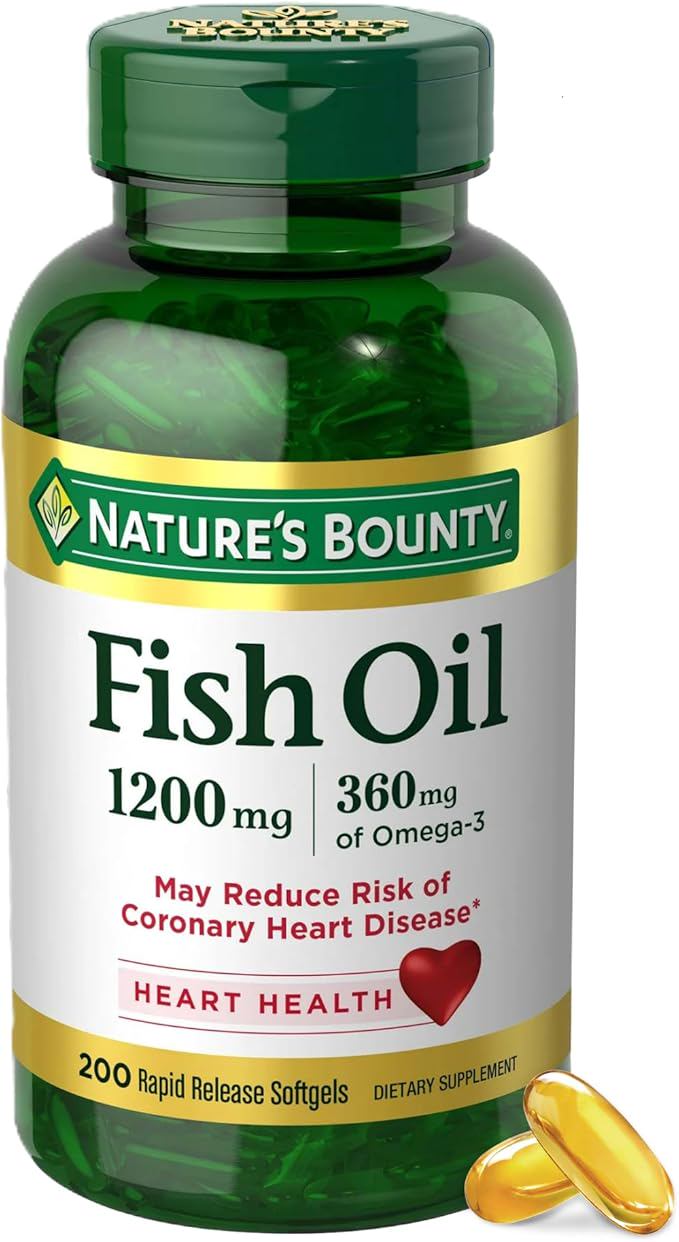
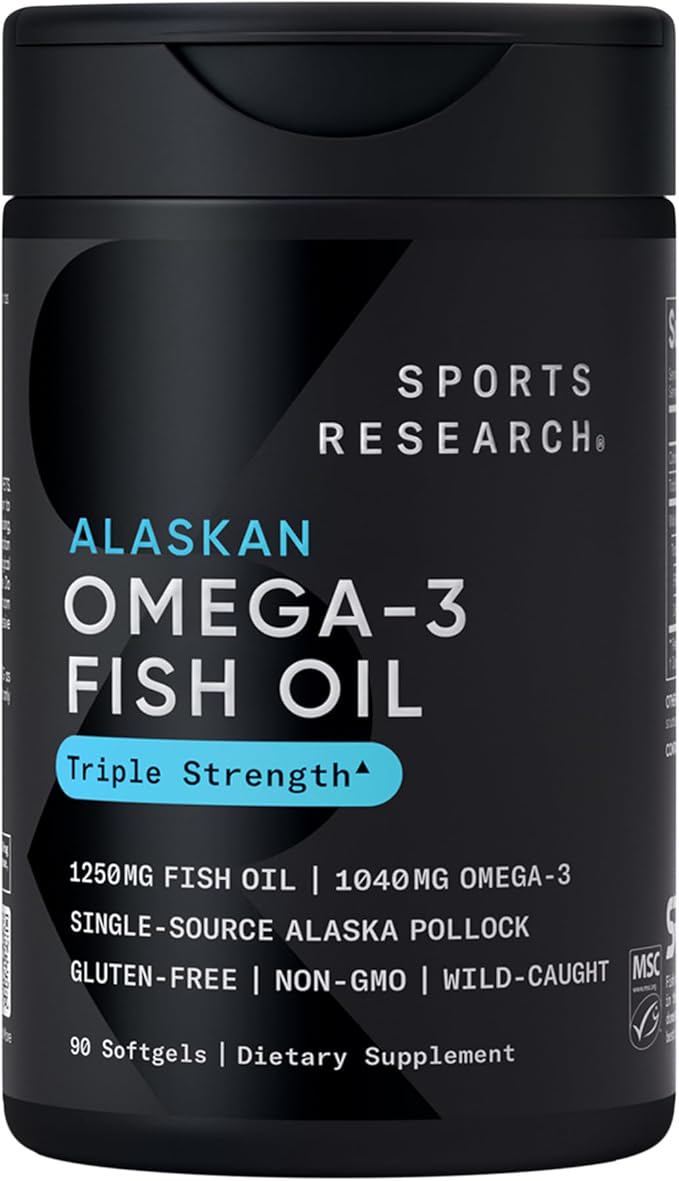
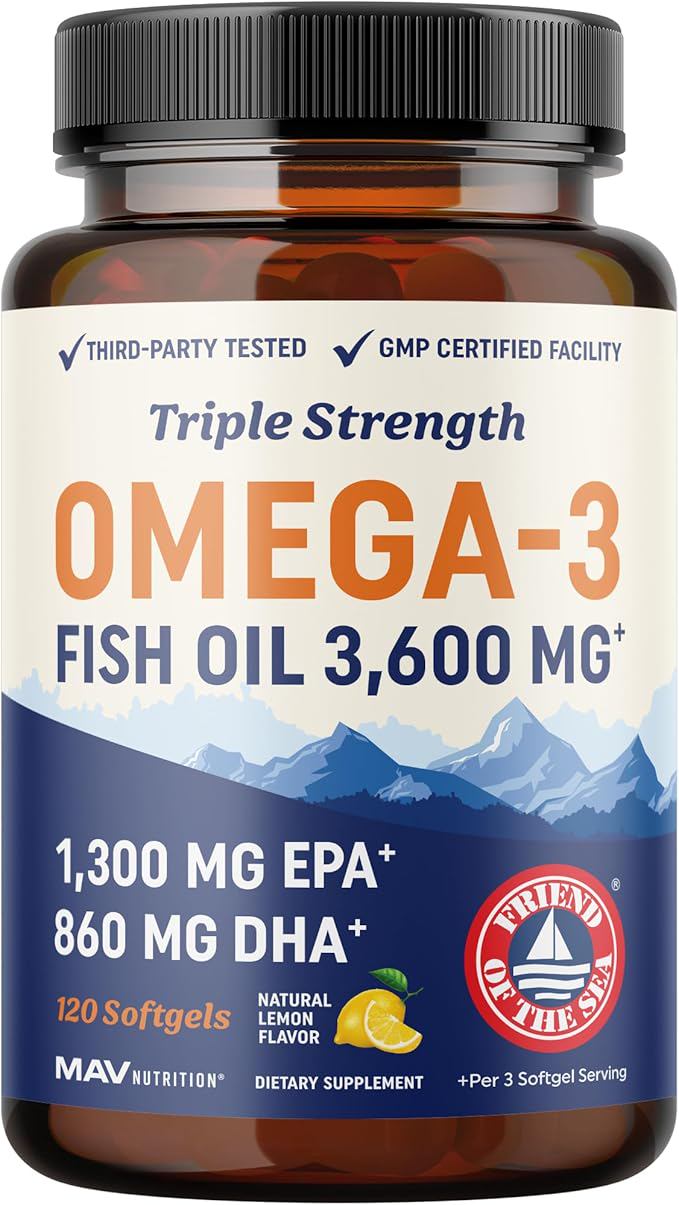
Fatty fish like salmon, mackerel, sardines, and trout are packed with omega-3 fatty acids—specifically EPA and DHA. These fats have been shown to reduce inflammation in the blood vessels, lower triglycerides, and help maintain the elasticity of artery walls.
Eating two servings of fatty fish per week is a common recommendation from cardiologists and dietitians. If you're not a fish eater, consider talking to your healthcare provider about an algae-based omega-3 supplement. But for direct dietary change, grilled or baked fish is a straightforward swap for red or processed meats.
Tip: Choose wild-caught or sustainably sourced varieties when possible. Avoid deep frying, which cancels out the heart-healthy benefits.
Leafy greens and nitrate-rich vegetables
Spinach, kale, arugula, beet greens, and Swiss chard are high in dietary nitrates. Unlike the nitrates in processed meats, those from vegetables are converted into nitric oxide in the body. Nitric oxide helps relax and widen blood vessels, improving blood flow and reducing pressure on artery walls.
Beyond greens, beets and beetroot juice are especially concentrated sources of nitrates and have been studied for their ability to improve vascular function within hours of consumption. Aim to include a serving of nitrate-rich vegetables at least once daily—tossing a handful of spinach into a smoothie or roasting beets as a side dish counts.
Oats and whole grains for soluble fiber
Soluble fiber binds to cholesterol in the digestive tract and helps escort it out of the body before it can enter the bloodstream. Oats are one of the best sources of beta-glucan, a type of soluble fiber with strong cholesterol-lowering effects.
Other whole grains that offer similar benefits include barley, psyllium, and legumes like lentils and chickpeas. A bowl of oatmeal with berries for breakfast or a barley-based soup at lunch can make a meaningful difference over weeks and months. The evidence suggests that consuming at least 3 to 5 grams of soluble fiber daily is associated with a significant reduction in LDL (the "bad" cholesterol).
Berries and citrus for antioxidants
Blueberries, strawberries, raspberries, oranges, and grapefruits are rich in flavonoids and vitamin C. These compounds combat oxidative stress, which can damage the inner lining of arteries and contribute to plaque formation.
Regular consumption of berries is linked to improvements in blood vessel function and a lower risk of cardiovascular events. Citrus fruits add the benefit of hesperidin, a flavonoid that may help improve blood flow and reduce stiffness in arteries.
One easy habit: swap sugary snacks for a handful of fresh berries or drink a glass of water with a squeeze of lemon instead of soda. Over time, these small swaps can tilt the balance toward better arterial health.
If your heart screening revealed elevated cholesterol or other markers, these foods can be part of a comprehensive approach that includes regular physical activity, stress management, and a consistent sleep schedule. Always discuss dietary changes with your doctor or a registered dietitian—especially if you're already on medication.