

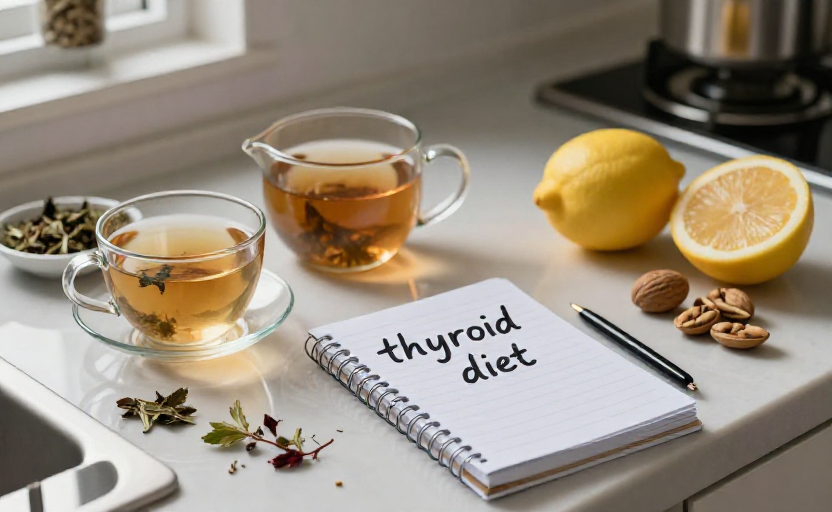
When your metabolism is running on overdrive due to hyperthyroidism, every meal can feel like a gamble. You may already know the general advice—avoid caffeine, watch your iodine—but the real challenge is figuring out which specific foods are quietly making your symptoms worse. A racing heart, unexplained weight loss, tremors, and anxiety are not just uncomfortable; they drain your energy and disrupt your sleep. The good news is that small, targeted changes to your diet can help calm that metabolic storm. Below are four foods to consider removing or reducing if you want more stability in your day.
Why Diet Matters When Your Thyroid Is Overactive
Hyperthyroidism means your thyroid gland produces too much thyroid hormone, which accelerates your body's metabolic processes. This can lead to a rapid heartbeat, heat intolerance, and nervousness. While medication is the primary treatment, diet plays a supporting role by avoiding substances that can further stimulate your system or interfere with your treatment. The goal is not to cure the condition with food, but to remove dietary triggers that add fuel to the fire.
1. Excessive Iodine-Rich Seaweed and Kelp
Iodine is the building block of thyroid hormone. For someone with an overactive thyroid, consuming large amounts of iodine can worsen the condition or delay treatment response. Seaweed varieties like kelp, nori, and spirulina are exceptionally high in iodine—often far more than what you'd get from iodized salt. A single teaspoon of kelp can contain many times the daily recommended intake.
This does not mean you need to avoid all iodine. Your body still needs trace amounts. But concentrated sources like seaweed supplements, kelp snacks, and seaweed salads can spike iodine levels unpredictably. If you have hyperthyroidism, it is wise to treat these foods as occasional garnishes rather than daily staples.
Quick tip: Check supplement labels for kelp or bladderwrack. Many "thyroid support" blends contain iodine-rich seaweeds that are designed for hypothyroidism—not for you.
2. High-Dose Caffeine From Coffee and Energy Drinks
Caffeine is a stimulant, and your body is already in a stimulated state. Drinking coffee, black tea, or energy drinks can amplify jitters, anxiety, and heart palpitations. Even if you feel you "need" caffeine to function, the temporary lift often leads to a crash that worsens fatigue later. People with hyperthyroidism frequently report that cutting back on coffee noticeably reduces their sense of being "wired but tired."
If you are not ready to quit completely, consider switching to a lower-caffeine option like green tea or a half-caff blend. Better yet, try herbal teas such as chamomile or lemon balm, which may have a mild calming effect. Pay attention to how your body reacts 30 to 60 minutes after your morning cup—if your heart is racing, that is a clear signal.
3. Gluten-Containing Grains if You Have Hashimoto's or Graves'
This one is not universal, but it matters for a subset of people. Autoimmune hyperthyroidism (Graves' disease) is often linked to other autoimmune conditions, including celiac disease or gluten sensitivity. For these individuals, gluten can trigger an inflammatory response that worsens thyroid symptoms. Even without a formal celiac diagnosis, some people with Graves' report less brain fog and fewer digestive issues when they reduce gluten.
Common sources include wheat bread, pasta, cereal, crackers, and many processed baked goods. If you suspect gluten is a problem, try removing it for two to four weeks and monitor your energy, digestion, and mood. Work with a registered dietitian if you want to test this carefully—gluten-free eating requires planning to avoid missing nutrients like B vitamins and iron.
A note of caution: do not use a gluten-free diet as a substitute for medical treatment. It is a supportive strategy, not a cure.
4. Sugary Foods and Refined Carbohydrates That Spike Blood Sugar
Hyperthyroidism already puts stress on your body's energy regulation. When you eat a sugary snack or a refined carbohydrate like white bread or soda, your blood sugar rises quickly and then drops just as fast. This roller coaster can worsen fatigue, irritability, and hunger. It can also trigger the release of adrenaline, which compounds the jitteriness you may already feel.
Focus instead on slow-burning energy sources: whole oats, quinoa, beans, lentils, nuts, seeds, and vegetables. These provide glucose more steadily and avoid the crash. If you crave something sweet, try fresh fruit paired with a handful of almonds or a spoonful of nut butter. The protein and fat help buffer the sugar absorption.
One more note on alcohol: While not a food, alcohol (especially in excess) can interfere with thyroid medication absorption and stress your liver, which is already working hard to process extra thyroid hormone. Moderation is key: think one small serving with food, not on an empty stomach.
Putting It All Together
Eliminating these four categories does not mean your diet becomes restrictive or boring. It simply means making intentional swaps that align with a calmer metabolism. Instead of a seaweed salad, try cucumber and avocado. Instead of a triple-shot latte, have chamomile tea. Instead of a bagel, try eggs with sautéed spinach. These changes may not replace your medication, but they can reduce the "volume" on your symptoms and help you feel more in control.
Always talk with your endocrinologist or a dietitian before making major dietary changes, especially if you are on antithyroid medications like methimazole. Blood levels of thyroid hormone can shift when you change your iodine or caffeine intake, and your medication dose may need adjustment. Listen to your body, keep a simple food-and-symptom log for a few weeks, and let that data guide you.








