We all know the golden rule of hydration: drink eight glasses of water a day. But when you are chasing a busy toddler, sweating through a midday workout, or simply tired of plain water, you might wonder if there is a smarter way to stay hydrated. The answer is yes. Some foods do more than just add fluid to your diet — they help your body hold onto that water, making them a surprisingly effective tool for maintaining hydration.
This is because hydration is not just about how much liquid you pour in; it is about how well your body retains it. When you eat whole foods that contain water plus key nutrients like electrolytes and complex carbohydrates, the water is absorbed more slowly and stays in your cells longer. The result is steadier hydration that lasts for hours, not minutes.
Here are four foods that can actually keep you hydrated longer than a glass of water alone, and how to work them into your day.
1. Cucumber: The Electrolyte Powerhouse
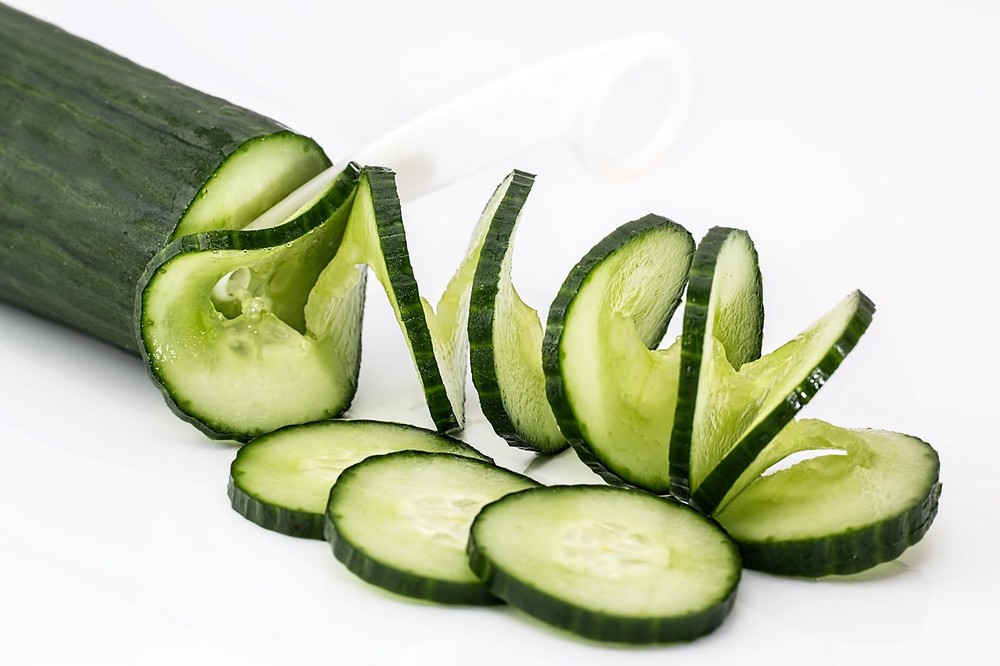
Cucumbers are more than a crunchy salad filler. With a water content of about 96%, they are one of the most water-dense foods you can eat. But what makes them especially valuable for hydration is their mineral profile. Cucumbers contain potassium, magnesium, and a small amount of sodium — exactly the electrolytes your cells need to absorb and hold water.
Think of it this way: plain water goes into your stomach, gets absorbed into the bloodstream, and then is filtered by your kidneys. If your body does not have enough electrolytes on hand, a good portion of that water is simply passed out as urine. When you eat a cucumber, the water is accompanied by these minerals, which help pull the water into your cells and keep it there.
Tip: Slice cucumber into your water pitcher for a subtle flavor that also adds a tiny mineral boost. Better yet, eat the whole cucumber — skin and all (the skin adds fiber, which also slows absorption).
2. Watermelon: Slow-Release Hydration with Lycopene
Watermelon is roughly 92% water, but its real trick is a combination of natural sugars and fiber. Unlike the simple sugars in soda or juice, the sugars in watermelon are packaged with fiber and phytonutrients, creating a slow-release effect. This means the water inside watermelon enters your bloodstream at a steady pace, rather than causing a sudden spike and quick flush.
The high water volume also helps stretch your stomach, which can reduce the feeling of thirst for longer. On top of that, watermelon provides lycopene, an antioxidant that supports heart health and skin protection. One cup of diced watermelon provides about the same hydration as a half-cup of water, but it lasts longer in your system.
You can blend watermelon into a hydrating slushie (skip the added sugar) or simply eat it as a snack. For a savory twist, try it with a sprinkle of salt and lime — the sodium helps with water retention even more.
3. Yogurt (Plain): Hydration with Protein and Good Bacteria
Dairy may not be the first thing that comes to mind when you think of hydration, but plain yogurt is about 88% water. More importantly, it contains protein, calcium, and potassium. The protein content is the key here: when you eat protein, it slows gastric emptying, meaning the water in the yogurt stays in your digestive tract longer and is released gradually.
In fact, studies have shown that milk and yogurt are more hydrating than water after exercise, because of their natural electrolyte content and protein. The probiotics in yogurt also support gut health, which can improve overall nutrient absorption, including water absorption.
Choose plain, unsweetened yogurt to avoid the dehydrating effect of extra sugar (sugar can pull water into your gut and cause an upset stomach). Add fresh fruit and a drizzle of honey for flavor, or use it as a base for a smoothie with cucumber or watermelon.
4. Coconut Water: Nature's Sports Drink (Directly from the Fruit)
Technically a liquid, coconut water is the clear fluid inside young green coconuts. It is about 95% water, but it also contains five essential electrolytes: potassium, sodium, calcium, phosphorus, and magnesium. The potassium content is especially high — a single cup provides around 600 mg, which is more than a banana.
Because of this balanced electrolyte profile, coconut water is absorbed more efficiently than plain water and stays in the bloodstream longer. Studies suggest that it can be as effective as sports drinks for mild rehydration after exercise, without the artificial colors or high sugar levels. It is a whole food, not a processed drink, which aligns with the principle of natural hydration.
Drink it plain, or blend it into a smoothie with berries and yogurt. Be sure to choose unsweetened varieties — many commercial brands add sugar, which undermines the hydrating benefit.
How to Build a Hydrating Meal Around These Foods
You do not need to eat these foods in isolation. Combining them creates an even more powerful hydrating effect. For example, a salad made with cucumber, watermelon cubes, and a dollop of yogurt dressing delivers fluids, electrolytes, protein, and fiber all at once. That is the kind of meal that can keep you feeling hydrated through a long afternoon meeting or a summer hike.
Other high-water foods to rotate in include celery (95% water), strawberries (91%), iceberg lettuce (96%), and bell peppers (92%). But the four listed above — cucumber, watermelon, yogurt, and coconut water — offer the best mix of water plus hydration-enhancing nutrients.
As always, listen to your body. These foods are a supplement to, not a replacement for, drinking water when you are truly thirsty. But if you are looking for a way to get ahead of dehydration, especially in hot weather or after exercise, reaching for one of these four foods is a smart, edible solution.