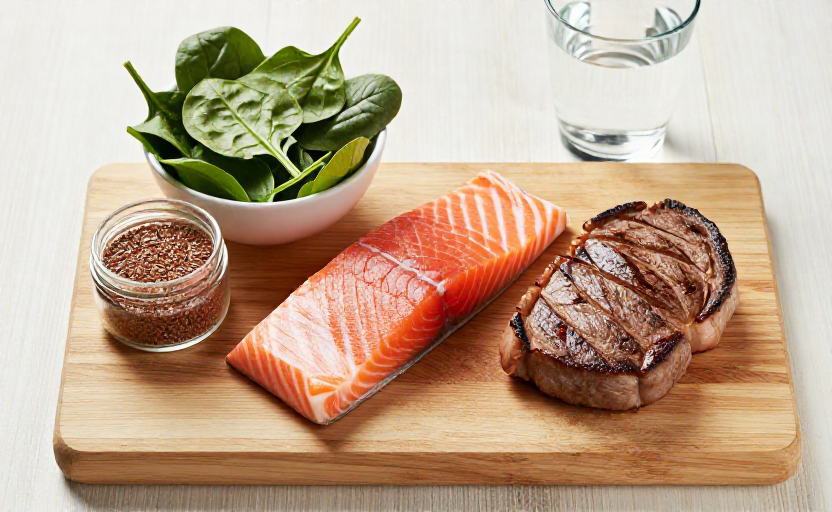
Managing heavy menstrual bleeding while on hormonal birth control can be frustrating. Some people experience breakthrough bleeding or a heavier flow, especially during the first few months of using a new method. While you should always speak with your healthcare provider about persistent changes, certain foods may support your body's natural hormone balance and help regulate blood loss.
The key is focusing on nutrients that support liver function (where hormones are processed), reduce inflammation, and provide building blocks for healthy blood cells. Here are four foods worth adding to your diet if you're dealing with heavy flow on hormonal contraception.
Leafy Green Vegetables
Dark leafy greens like spinach, kale, and Swiss chard are rich in vitamin K, which plays a direct role in blood clotting. When bleeding is heavy, your body uses up clotting factors more quickly. Vitamin K helps your liver produce prothrombin, a protein essential for normal clotting.
These greens also provide iron, which you lose in significant amounts during heavy periods. Iron deficiency can worsen fatigue and make recovery slower. To get the most benefit, aim for a serving of cooked greens — the heat reduces their volume so you can eat more — at least three or four times a week.
Quick tip: Pair leafy greens with a source of vitamin C, like lemon juice or bell peppers, to boost iron absorption.
Fatty Fish (Salmon, Sardines, Mackerel)
Hormonal birth control can alter how your body uses certain fatty acids, and heavy bleeding adds an extra inflammatory stressor. Fatty fish provide omega-3s, particularly EPA and DHA, which help reduce inflammation and may support a more balanced menstrual cycle.
Some research suggests omega-3s can lower levels of prostaglandins — compounds that trigger uterine contractions and contribute to heavy bleeding. By modulating these inflammatory signals, fatty fish may help make your periods less intense. Two servings per week is a reasonable target for most people.
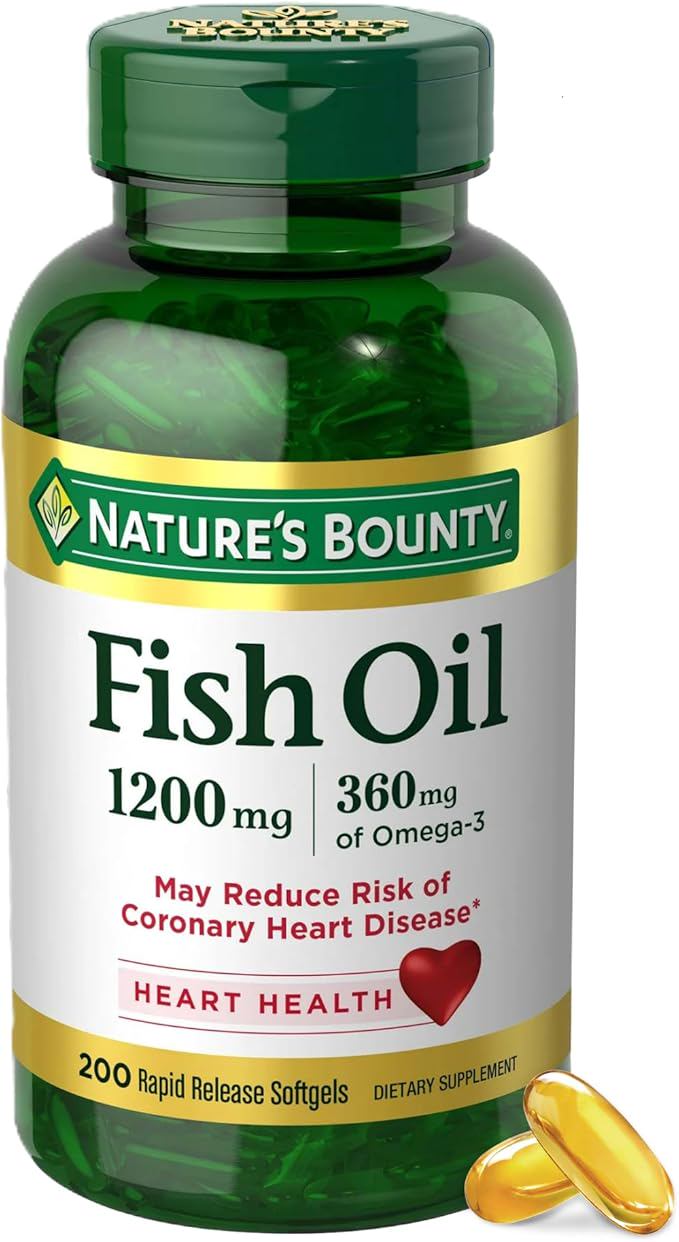
What about fish oil supplements?
If you don't eat fish, a fish oil supplement is an option, but whole food sources also provide protein and vitamin D, which many people on hormonal birth control may be low in. Discuss any supplement changes with your doctor.
Flaxseeds (Ground)
Flaxseeds contain lignans, plant compounds that can gently influence estrogen metabolism. Hormonal birth control works by providing synthetic hormones, but your liver still processes naturally circulating estrogens. Lignans help promote healthier estrogen breakdown and elimination.
Ground flaxseed is also a good source of fiber, which supports regular bowel movements and helps your body excrete excess hormones rather than reabsorbing them. Start with one to two tablespoons of ground flaxseed daily, sprinkled over oatmeal, yogurt, or mixed into smoothies. Whole flaxseeds pass through undigested, so always buy them ground or grind them yourself.
Keep in mind: Introduce flaxseed gradually and drink plenty of water to avoid digestive discomfort.
Lean Red Meat or Fortified Plant Alternatives
Heavy menstrual bleeding is one of the leading causes of iron deficiency in women and people who menstruate. Iron from heme sources (found in red meat) is absorbed more efficiently than non-heme iron from plants. A moderate serving of lean beef or lamb once or twice a week can help replenish iron stores without overdoing saturated fat.
If you follow a plant-based diet, focus on lentils, chickpeas, fortified cereals, and pumpkin seeds. Combining these with vitamin C-rich foods (citrus, tomatoes, broccoli) significantly improves absorption. Cooking in a cast-iron skillet can also increase the iron content of your meals.
A Note on When to See a Doctor
While dietary changes can support overall health, heavy menstrual bleeding — especially if it's new or worsening — warrants a medical evaluation. Contact your healthcare provider if you're soaking through a pad or tampon every hour for several hours, passing clots larger than a quarter, feeling dizzy or short of breath, or if bleeding interferes with your daily activities. Your doctor may need to adjust your birth control method or investigate other causes like fibroids or thyroid issues.
This article is for educational purposes only and does not replace personalized medical advice.