Living with endometriosis often means navigating a cycle of pelvic pain, fatigue, and inflammation that can feel relentless. While medical treatments are essential, what you put on your plate each day can also play a meaningful role in how your body feels. For many, an anti-inflammatory diet offers a way to support the body's natural balance and quiet some of the chronic immune activity that fuels endometriosis symptoms.
Below are four categories of food that research and clinical experience suggest can help reduce inflammation in the context of endometriosis. These are not miracle cures, but they are practical, evidence-informed choices you can weave into your daily meals.
Fatty fish and omega-3s
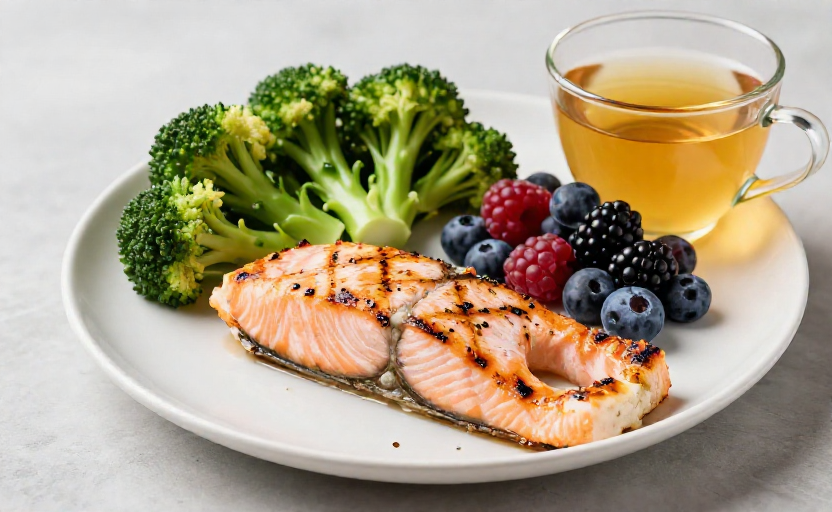
Fatty fish like salmon, mackerel, sardines, and anchovies are among the most potent natural sources of omega-3 fatty acids — specifically EPA and DHA. These fats are known to reduce the production of inflammatory molecules called cytokines and prostaglandins. For someone with endometriosis, this matters because prostaglandins are partly responsible for the intense cramping and pelvic pain that often accompanies the condition.
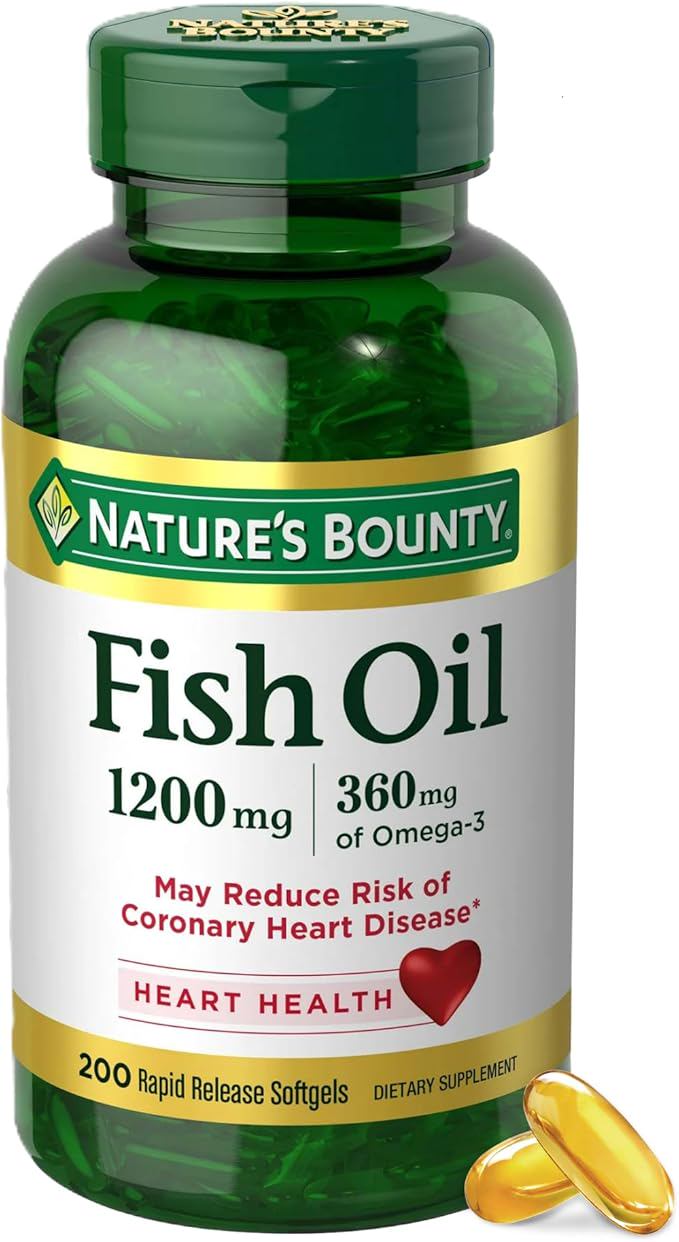
Replacing pro-inflammatory omega-6 fats (found in many vegetable oils and processed foods) with omega-3s can shift your body's inflammatory balance. Aim for two servings of fatty fish per week. If fish isn't your thing, a high-quality fish oil or algal oil supplement can offer similar benefits, though it's best to discuss dosage with a healthcare provider.
A quick note: If you are pregnant, breastfeeding, or trying to conceive, talk to your doctor before taking any new supplement, including fish oil.
Leafy greens and colorful vegetables
Vegetables like spinach, kale, Swiss chard, broccoli, and bell peppers are dense in antioxidants, vitamins, and phytochemicals that help the body neutralize oxidative stress — a key driver of inflammation in endometriosis. Cruciferous vegetables (broccoli, cauliflower, Brussels sprouts) contain sulforaphane, a compound that may help block inflammatory pathways at the cellular level.
Brightly colored vegetables also provide fiber, which supports healthy estrogen metabolism. Since endometriosis is an estrogen-driven condition, helping your body process and eliminate excess estrogen through the digestive tract can be particularly helpful. Try to fill half your plate with vegetables at lunch and dinner.
Berries and other low-glycemic fruits
Blueberries, strawberries, raspberries, and blackberries are rich in anthocyanins — pigments that give them their deep color and act as powerful anti-inflammatory agents. These fruits also deliver vitamin C and quercetin, both of which can help stabilize mast cells and reduce histamine-driven pain, a factor some researchers believe plays a role in endometriosis.
Unlike high-sugar fruits or juices, berries have a low glycemic load, meaning they won't spike blood sugar. Blood sugar spikes trigger insulin release and promote inflammation, so keeping your meals low on the glycemic index is a smart strategy for anyone managing a chronic inflammatory condition.
Ginger and turmeric
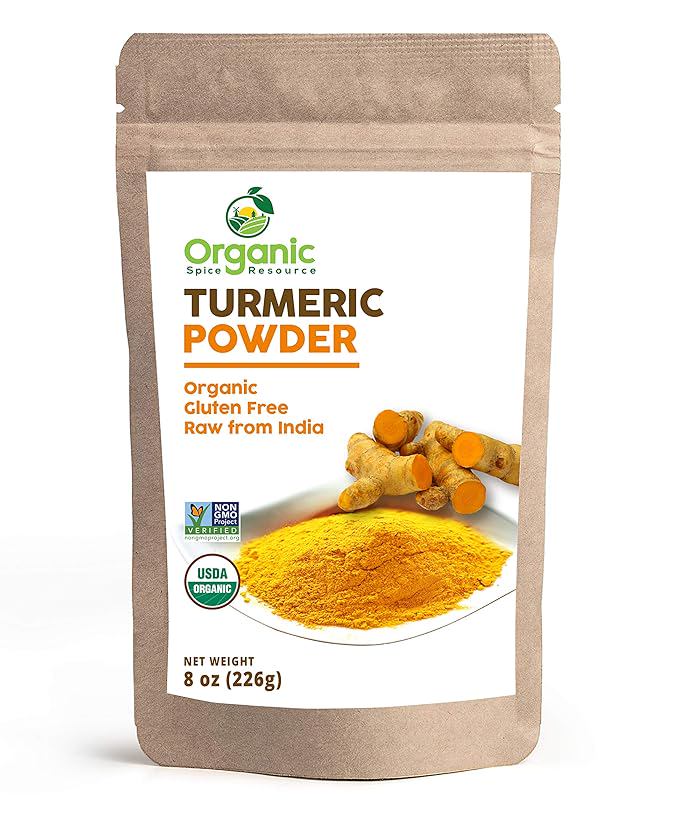
Ginger and turmeric have been used for centuries in traditional medicine for their anti-inflammatory properties, and modern research backs them up. Curcumin, the active compound in turmeric, has been shown to suppress several inflammatory markers, including NF-kB and COX-2, that are often elevated in endometriosis.
Ginger may reduce pain intensity in endometriosis by blocking prostaglandin synthesis — similar to how some over-the-counter pain relievers work, but through a natural mechanism. You can add fresh ginger and turmeric to teas, smoothies, stir-fries, and soups. To boost curcumin absorption, always pair turmeric with black pepper, which contains piperine.
That said, high-dose curcumin supplements can interact with blood-thinning medications, so check with your doctor before taking concentrated forms.
Putting it all together
An anti-inflammatory diet for endometriosis isn't about perfection. It's about building a plate that consistently supports your body's efforts to regulate inflammation. Start by adding one or two of these foods to your weekly rotation. Over time, these small shifts can add up to meaningful changes in how you feel day to day.
Always consult with a healthcare provider before making significant dietary changes, especially if you are managing a chronic condition or taking medication.