Heart failure requires careful management of fluid balance. When the heart’s pumping capacity decreases, the body can hold on to extra sodium and water, leading to swelling in the legs, ankles, and abdomen — a condition called edema. Dietitians often recommend specific foods that work with the body’s natural systems to help regulate fluids, support heart function, and reduce uncomfortable bloating without relying solely on medication adjustments.
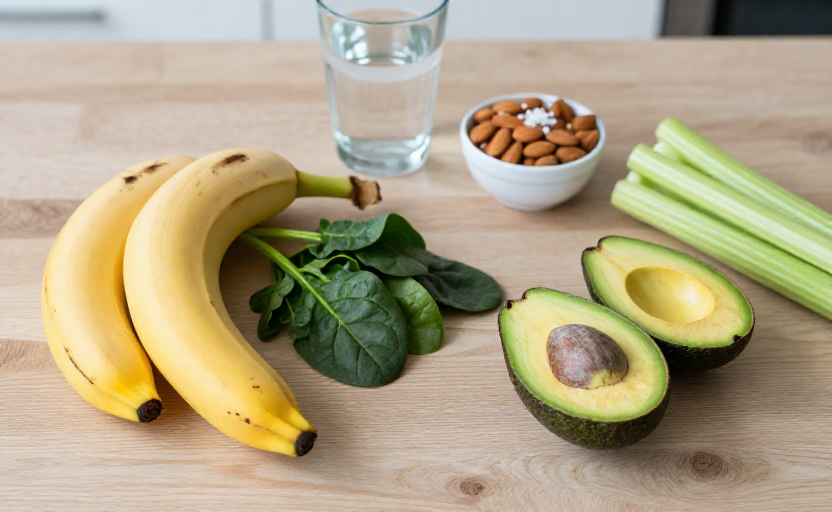
The foods below are not diuretics in the pharmaceutical sense — they won’t replace a doctor’s prescription. But they do provide nutrients that help the kidneys process sodium, maintain electrolyte balance, and support blood pressure regulation. Each option fits easily into a heart-healthy, low-sodium diet.
1. Bananas: A Potassium Powerhouse
Potassium is a key mineral for fluid balance. It helps the kidneys excrete excess sodium, which in turn pulls water out of tissues and into the urine. Bananas are one of the most accessible, well-tolerated sources of potassium for people managing heart failure.
A medium banana provides about 420 mg of potassium — roughly 9–10% of the daily recommendation for adults. But here’s the important part: people with heart failure who take certain medications (like ACE inhibitors, ARBs, or potassium-sparing diuretics) need to avoid excess potassium. A single banana a day is generally considered safe for most, but anyone on these medications should check with their doctor or renal dietitian before increasing potassium-rich foods.
Tip: Pair banana with a small handful of unsalted almonds or a tablespoon of peanut butter for a balanced snack that won’t spike blood sugar.
2. Spinach: Magnesium and Nitrates for Circulation
Dark leafy greens like spinach deliver two nutrients that matter for fluid balance: magnesium and dietary nitrates. Magnesium helps regulate the movement of sodium and potassium across cell membranes, which influences how much water the body holds onto. Dietary nitrates are converted into nitric oxide — a compound that relaxes blood vessels and improves circulation, reducing the back-pressure that contributes to fluid leakage into tissues.
One cup of cooked spinach contains about 157 mg of magnesium (roughly 37% of the daily requirement). It also provides iron, which helps carry oxygen in the blood — especially relevant when heart failure causes fatigue.
For people on blood thinners (like warfarin), keep in mind that spinach is high in vitamin K. Consistent intake matters more than avoidance — talk to your dietitian about a steady daily amount.
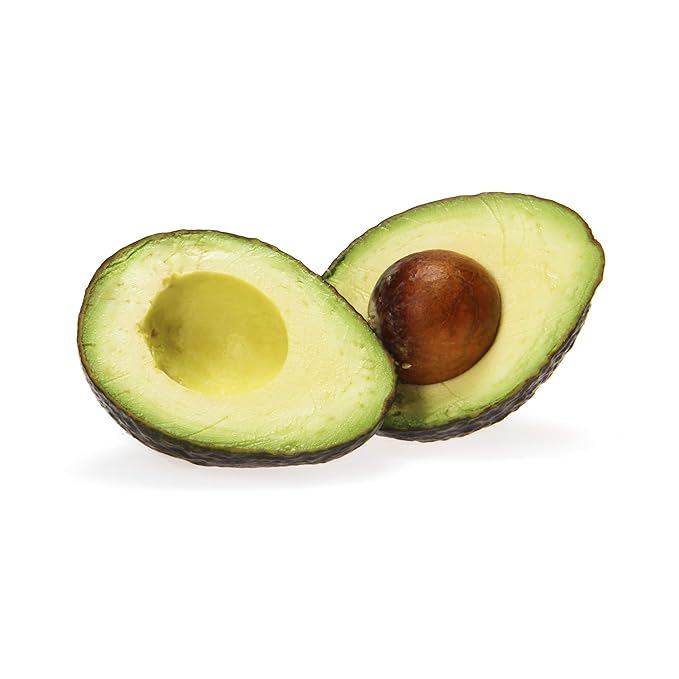
3. Avocado: Healthy Fats and Potassium
Avocado is unique among fruits for its high content of heart-healthy monounsaturated fats and its potassium density. Half an avocado provides about 490 mg of potassium — even more than a banana. The fats in avocado help improve cholesterol profiles, which is often a concern alongside heart failure.
The same caution about potassium applies here: if you’re on potassium-sparing diuretics or have chronic kidney disease, avocado’s potassium content might need to be limited. For others, replacing high-sodium spreads (like butter or margarine) with avocado can reduce sodium intake by hundreds of milligrams per meal.
4. Celery: A Mild Natural Diuretic
Celery has a reputation as a mild natural diuretic, and there’s some evidence behind it. It contains a phytonutrient called 3-n-butylphthalide, which may help relax blood vessels and increase urine output slightly. It’s also very low in calories and sodium, making it a good substitute for salty snacks.
For practical purposes, celery won’t cause dehydration or potassium loss the way pharmaceutical diuretics can. It’s a crunchy addition to meals that adds volume without sodium. Try chopped celery in water, soups, or salads — or dip it in hummus for extra protein.
How These Foods Fit Into a Heart Failure Diet
Managing fluid retention isn’t just about adding specific foods — it’s about the broader pattern. The DASH diet (Dietary Approaches to Stop Hypertension), often recommended for heart failure patients, emphasizes fruits, vegetables, whole grains, lean protein, and limited sodium. The four foods above align perfectly with that pattern.
- Sodium limit: Keep total sodium under 1,500–2,000 mg per day (ask your dietitian for your personal target).
- Fluid monitoring: Some people with advanced heart failure are told to limit total fluid intake to 1.5–2 liters per day. These foods contribute some water but are generally encouraged because their nutrients outweigh the fluid volume.
- Medication interaction: Always discuss new dietary changes with your healthcare team, especially if you take diuretics, ACE inhibitors, or blood thinners.
When to Tell Your Doctor About Fluid Retention
Foods can support management, but they cannot treat severe fluid overload. Contact your doctor if you notice:
- Sudden weight gain of 2–3 pounds in a day or 5 pounds in a week (a common sign of fluid retention)
- Increased swelling in your legs, hands, or abdomen that doesn’t go down overnight
- Shortness of breath when lying flat or when doing light activities
- A persistent dry cough or wheezing
These symptoms may indicate worsening heart failure that needs medication adjustment — not just dietary changes.
Common Questions About Diet and Fluid Retention
Can I drink herbal teas for fluid retention? Certain teas (like dandelion root or green tea) are mild natural diuretics, but they are not regulated and can interact with heart failure medications. It is safer to stick with plain water in small, frequent sips unless your doctor recommends a specific tea.
Do I need to avoid all salt? No. The goal is to avoid high-sodium processed foods (canned soups, deli meats, salted snacks, frozen dinners) while using small pinches of salt at home if your doctor approves. Most sodium in the American diet comes from packaged foods, not the salt shaker.
How quickly will these foods work? Foods don’t work overnight like a diuretic pill. Incorporating bananas, spinach, avocado, and celery into your daily meals over the course of a week can help improve your potassium-to-sodium ratio and support your body’s natural fluid balance, but noticeable changes may be subtle.