
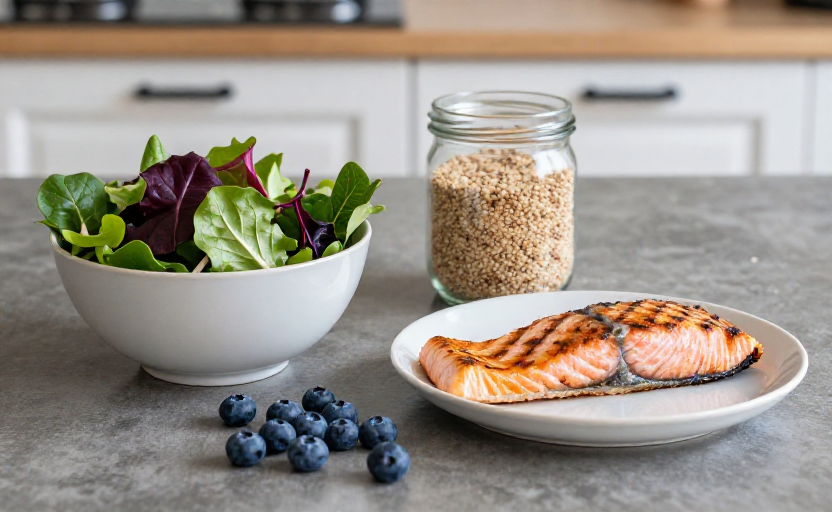
Dealing with ovarian cysts can be uncomfortable, and while medical guidance is essential, your diet can play a supportive role in managing symptoms. Certain foods have anti-inflammatory properties and provide nutrients that may help reduce pain and bloating associated with ovarian cysts. Below are four food groups that research and wellness experts often recommend for easing discomfort naturally.
Leafy Greens and Cruciferous Vegetables
Vegetables like spinach, kale, broccoli, and cauliflower are packed with fiber and antioxidants, which help reduce inflammation in the body. The high fiber content supports healthy digestion and can help regulate estrogen levels—a key factor since hormonal imbalances often contribute to cyst formation. Aim to include a serving of these vegetables in at least two meals per day. You can add spinach to smoothies, roast broccoli as a side, or toss kale into salads for an easy nutrient boost.
Fatty Fish Rich in Omega-3s
Omega-3 fatty acids found in salmon, mackerel, sardines, and trout are known for their anti-inflammatory properties. Chronic inflammation can worsen ovarian cyst pain, and omega-3s help lower inflammatory markers in the body. The American Heart Association recommends eating two servings of fatty fish per week. If you're not a fish enthusiast, consider plant-based sources like flaxseeds, chia seeds, or walnuts—though these provide a different form of omega-3 (ALA) that the body converts less efficiently.
Berries and Citrus Fruits
Berries (blueberries, strawberries, raspberries) and citrus fruits (oranges, lemons, grapefruits) are rich in vitamin C and other antioxidants that combat oxidative stress. Oxidative stress can damage cells and promote inflammation, potentially exacerbating cyst pain. Eating a handful of berries as a snack or squeezing lemon into your water can provide protective benefits without adding extra sugar. These fruits also support the immune system, which is helpful when the body is under any form of reproductive stress.
Whole Grains and Legumes
Complex carbohydrates like oats, quinoa, brown rice, lentils, and beans help stabilize blood sugar levels. Blood sugar spikes can trigger insulin surges, which may disrupt hormone balance and worsen cyst symptoms. By keeping your glucose steady, whole grains and legumes reduce inflammation and provide sustained energy. Swap white rice for quinoa at dinner, or start your day with a bowl of oatmeal topped with berries—it's a simple swap that can make a difference over time.
Practical Tips for Incorporating These Foods
- Start small: Add one new food per week to avoid feeling overwhelmed.
- Hydrate well: Water helps reduce bloating, a common symptom of ovarian cysts.
- Limit processed foods and added sugars: These can trigger inflammation and counteract the benefits of anti-inflammatory foods.
- Consult a dietitian: If you have specific dietary needs or conditions, a professional can tailor recommendations to you.
"Think of your diet as one tool in your wellness toolbox—it supports your body's natural healing processes but doesn't replace medical care."
It's important to remember that while these foods may help reduce discomfort, they are not a cure for ovarian cysts. If you experience severe pain, rapid cyst growth, or symptoms like nausea and fever, seek medical attention promptly. Dietary changes work best alongside regular checkups and any treatments your healthcare provider recommends.
Incorporating these four food groups into your daily meals is a gentle, proactive approach to managing ovarian cyst discomfort. Over time, small consistent changes can support your overall hormonal health and reduce inflammation.