Hormonal contraceptives are effective and widely used, but bloating is a common side effect that many people find frustrating. That heavy, tight feeling in your abdomen is often linked to how hormones like estrogen and progesterone affect your digestive system and fluid balance. While your body may adjust over time, the foods you eat can make a real difference in how you feel day to day.
The goal isn't a restrictive diet—it's about supporting your body's natural processes with meals and snacks that calm inflammation, promote regular digestion, and help flush out excess water. Here are four foods that can help reduce contraceptive-related bloating, along with simple ways to add them to your routine.
Why does birth control cause bloating?
Bloating from hormonal contraceptives usually stems from two things: water retention and slower digestion. Estrogen can cause your body to hold onto sodium and water, while progesterone can relax smooth muscles, including those in your digestive tract. This slower transit time allows gas to build up, leading to that uncomfortable distended feeling. It's not dangerous, but it can be bothersome. The right foods can help counter both causes without interfering with your contraceptive's effectiveness.
1. Bananas: A natural source of potassium
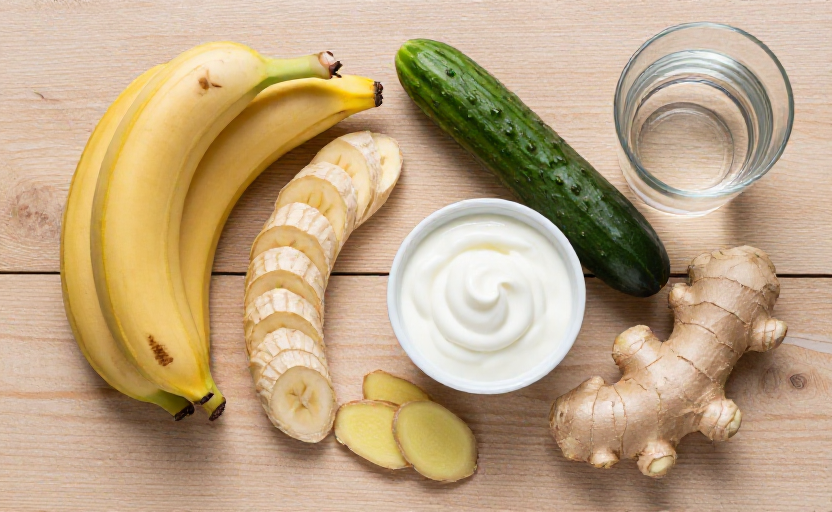
When your body retains water, balancing your electrolytes is key. Bananas are rich in potassium, a mineral that helps counteract the sodium that causes fluid retention. Eating a banana can help your kidneys flush out excess water more efficiently. They're also gentle on the stomach and provide steady energy, which is helpful if bloating is making you feel sluggish.
Try it: Slice a banana over oatmeal or unsweetened yogurt for breakfast, or blend one into a smoothie with spinach and almond milk for a quick, bloat-friendly snack.
2. Ginger: A natural digestive aid
Ginger has a long history of use for settling the stomach, and it's particularly useful for gas-related bloating. Compounds called gingerols help relax the intestinal muscles, allowing trapped gas to move through more easily. It also has anti-inflammatory properties that can soothe the digestive tract if it's feeling irritated. You can use fresh, dried, or even steeped ginger tea—all forms offer benefits.
Try it: Grate a teaspoon of fresh ginger into hot water with a squeeze of lemon for a caffeine-free tea. You can also add it to stir-fries, soups, or salad dressings for a mild zing.
3. Cucumber: A hydrating, low-calorie choice
Staying well-hydrated is one of the simplest ways to reduce water retention. When you're dehydrated, your body holds onto the fluid it has, which can worsen bloating. Cucumbers are over 95% water, making them an excellent choice for gentle hydration. They also contain silica and vitamin C, which support connective tissue health, and they're very low in fermentable carbohydrates that can cause gas for some people.
Try it: Add cucumber slices to your water pitcher for a refreshing infusion, or toss chopped cucumber with tomatoes, red onion, and a little olive oil for a quick salad.
4. Yogurt: Probiotics for gut balance
A healthy gut microbiome plays a big role in how you digest food and manage gas. Yogurt that contains live, active cultures (probiotics) can help maintain a balanced population of good bacteria in your intestines. This can improve regularity and reduce the gas production that happens when food sits in the digestive tract too long. If you are sensitive to lactose, look for lactose-free yogurt or a plant-based alternative that is fortified with probiotics.
Try it: Choose plain yogurt to avoid added sugars that can actually increase bloating. Top it with your banana slices and a sprinkle of ground flaxseed for extra fiber.
Other habits that help
Beyond adding these specific foods, a few simple practices can support your efforts. Eating smaller, more frequent meals instead of large ones can prevent overfilling your stomach. Chewing food thoroughly and eating slowly also reduces the amount of air you swallow, which contributes to gas. Staying active with light walks or stretching helps keep your digestive system moving. And remember—if bloating is severe, persistent, or accompanied by pain, it's worth checking in with your healthcare provider to rule out other causes.
The goal is not to eliminate bloating completely, but to make it more manageable. By focusing on foods that support hydration, electrolyte balance, and gut health, you can turn down the volume on that uncomfortable feeling while still getting the benefits of your contraceptive.